
In August 2017, when nearly 750,000 Rohingya fled Myanmar’s Rakhine State and crossed into Bangladesh to escape violence, the world briefly paid attention. International leaders condemned the atrocities, human rights organizations raised an alarm, and the then-United Nations High Commissioner for Human Rights described the campaign as a “textbook example of ethnic cleansing.”
Nine years later, much of that global outrage has faded.
Today, nearly 1.2 million Rohingya remain confined to refugee camps in Cox’s Bazar, Bangladesh. Many have no idea when—or whether—they will ever return home. International attention has diminished, humanitarian funding is shrinking, and hope is becoming increasingly difficult to sustain.
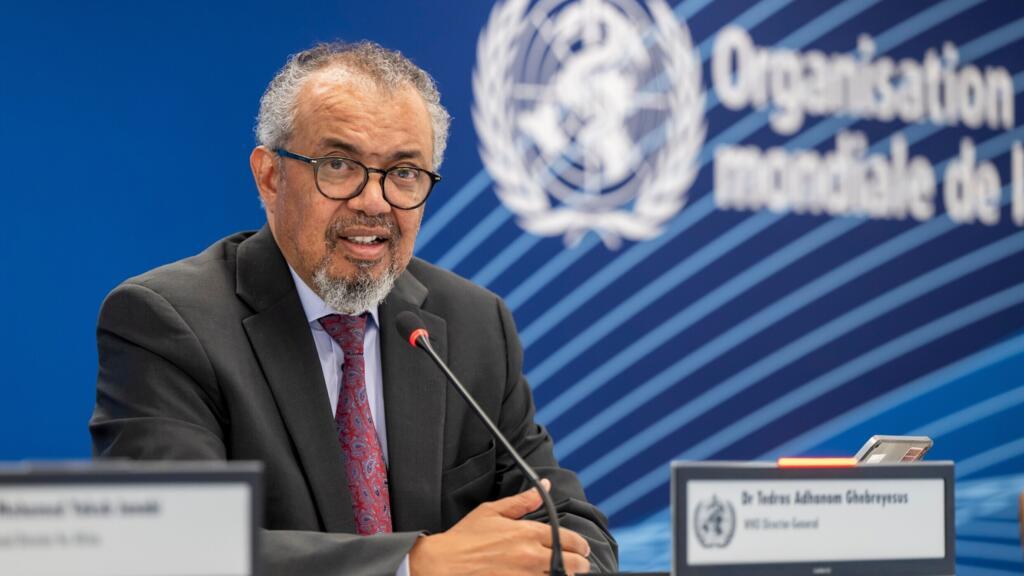
Speaking to journalists in Geneva on Tuesday, UNHCR spokesperson Babar Baloch warned that a growing number of global conflicts and humanitarian emergencies are stretching international resources to the breaking point. The Rohingya crisis, he said, is among those feeling the consequences.
This year, the United Nations, its humanitarian partners, and the Government of Bangladesh launched a joint response plan seeking $710 million to support Rohingya refugees. Yet the appeal was already lower than in previous years, and significant funding gaps remain.
Aid workers say the crisis may be entering its most dangerous phase.
While international support declines, conditions inside Myanmar continue to deteriorate. Since early 2024, renewed violence in Rakhine State has forced an estimated 150,000 additional Rohingya to seek refuge in Bangladesh. Fighting between Myanmar’s military and the Arakan Army continues with no clear resolution in sight.
The prospect of large-scale repatriation remains as distant as ever.
As a result, hundreds of thousands of Rohingya are trapped in a reality where the past has been destroyed, the present is uncertain, and the future remains invisible.
A new generation is growing up inside the camps. According to the International Rescue Committee, nearly half a million young Rohingya people between the ages of 18 and 24 have little or no access to formal employment opportunities. They are unable to work legally and have limited access to recognized higher education.
For many, life has become a prolonged state of waiting.
Living conditions continue to worsen. Food assistance has been repeatedly threatened by funding shortages, and humanitarian agencies have struggled to meet growing needs. Earlier this year, a major fire swept through parts of the camps, destroying hundreds of shelters and leaving thousands homeless once again.
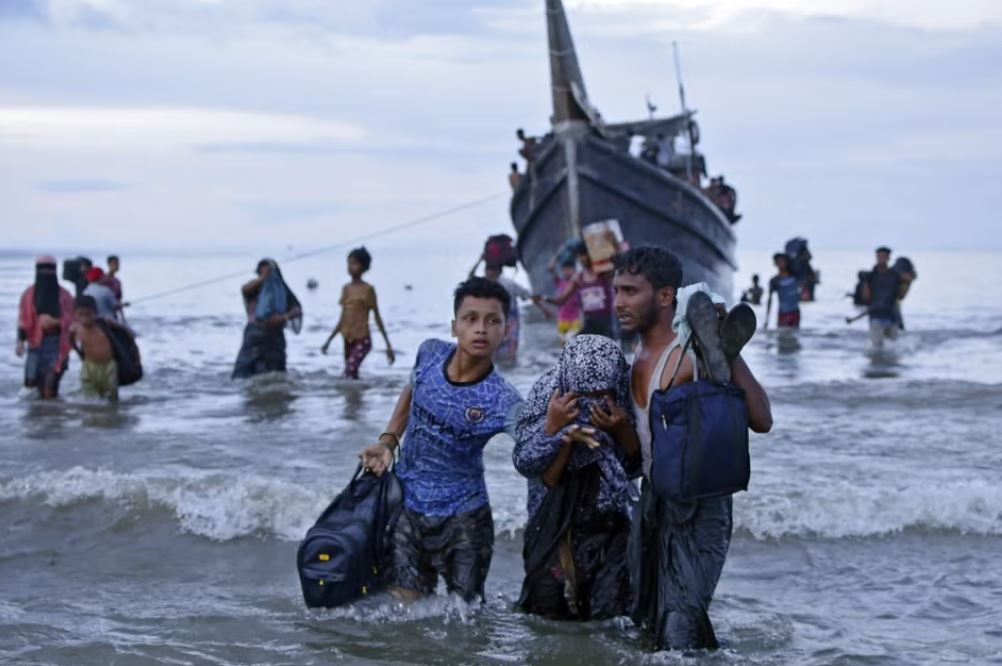
Faced with limited opportunities and mounting despair, many Rohingya are turning to an even more dangerous option—the sea.
From Bangladesh’s coast, refugees board overcrowded boats bound for Malaysia, Indonesia, or Thailand. Most of these journeys are organized by human trafficking networks and involve dangerous crossings through the Bay of Bengal and the Andaman Sea.
For many, the voyage becomes a gamble between hope and death.
According to UNHCR, 2025 was the deadliest year on record for Rohingya attempting these maritime journeys. Approximately 6,500 refugees took to the sea, and nearly one in seven either died or disappeared. Around 900 people were reported dead or missing.
Babar Baloch described the situation in stark terms.
“The Andaman Sea and the Bay of Bengal have tragically become an unmarked mass grave for thousands of desperate Rohingya refugees.”
Over the past decade, more than 5,000 Rohingya are believed to have died along these sea routes. Yet the departures continue.
For many camp residents, the uncertainty of the ocean appears preferable to a life without prospects.
The trend has not slowed in 2026. By mid-April, more than 2,500 Rohingya had already embarked on dangerous sea journeys. In late March, a boat departing from Teknaf sank in the Andaman Sea. Nearly 250 people were reported missing, while only a handful survived.
Women and children account for many of the victims. Some endure abuse and exploitation at the hands of traffickers. Others spend days drifting without adequate food or water. For many, the sea becomes their final resting place.
Meanwhile, the path back to Myanmar remains effectively closed. Violence continues in Rakhine State. There is still no guarantee of citizenship, security, or basic rights for returning Rohingya. Withoutthose assurances, international agencies say safe and voluntary
repatriation remains impossible.
The United Nations argues that the responsibility of the international community has not ended simply because the crisis has faded from the headlines.
For nearly a decade, Bangladesh has hosted one of the world’s largest refugee populations. Providing shelter and support for 1.2 million displaced people is an extraordinary burden for any country, particularly one with limited resources. As international funding declines, that burden is becoming increasingly difficult to bear alone.
The Rohingya who fled violence nine years ago are still waiting.
Many of their children have never seen the homeland their parents were forced to leave behind. They were born in the camps and are growing up there. They belong neither fully to Myanmar nor to Bangladesh, caught in a prolonged state of statelessness and uncertainty.
The Rohingya crisis is no longer only a humanitarian issue. It has become a test of global conscience.
And nearly a decade later, the world still has not answered a fundamental question:
What future awaits the Rohingya people?