
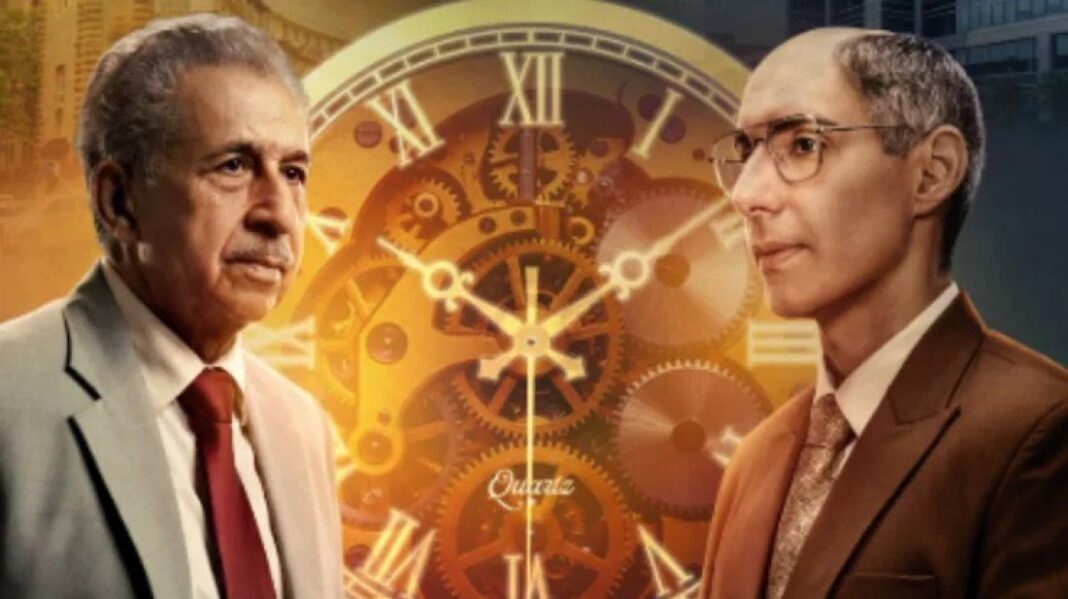
CHENNAI — In the annals of Indian corporate history, few partnerships are as structurally unique or financially rewarding as the one between the Tamil Nadu Industrial Development Corporation (TIDCO) and the Tata Group. What began in 1984 as a modest investment of under ₹10 crore to manufacture watches has evolved into a powerhouse now valued at nearly ₹1 lakh crore.
While documentaries and books often focus on the legendary vision of JRD Tata and Xerxes Desai, the story of Titan is, at its core, a testament to the “silent partner”: the Tamil Nadu government.
Navigating the ‘License Raj’
The early 1980s were defined by India’s “License Raj,” a labyrinthine regulatory environment where manufacturing watches—then considered luxury goods—required complex approvals for foreign technology and equipment imports.
TIDCO, the industrial development arm of the Tamil Nadu government, provided the critical infrastructure: land, licenses, and political stability. Partnering with the Tata Group, the two entities formed a joint venture that combined state-sanctioned backing with private-sector management excellence. The name “Titan” itself was a clever fusion, symbolizing the synergy between Tata and Tanil Nadu.
A Model of Governance: State Power meets Corporate Agility
The governance structure of Titan was meticulously balanced:
The State’s Role: TIDCO ensured infrastructure and regulatory navigation. A Tamil Nadu-appointed IAS officer traditionally held the position of Chairman, ensuring state oversight without stifling growth.
The Tata Touch: The Tata Group maintained management control by appointing the Managing Director. This allowed the company to adopt modern management cultures and world-class marketing strategies.
This dual-leadership model allowed Titan to disrupt the market. While the incumbent state-owned firm, HMT, was weighed down by bureaucracy, Titan raided HMT’s talent pool, offering engineers and managers the professional autonomy they had long craved.
The ‘Tanishq’ Pivot
Titan’s evolution from a watchmaker to a retail giant was cemented by the 1996 launch of Tanishq. Entering the highly unorganized and traditional Indian jewelry market was a massive risk. However, Titan leveraged its brand equity and focus on purity to gain consumer trust. Today, the company’s diversified portfolio—ranging from jewelry (Tanishq, Zoya, Mia) to eyewear and fashion accessories—has cemented its status as a Tata Group flagship.
The Wisdom of Patient Capital
Perhaps the most striking aspect of this partnership is TIDCO’s unwavering patience. Despite economic liberalization and the market volatility of the last four decades, TIDCO never divested its stake.
Today, TIDCO owns roughly 27.88% of Titan—a stake larger than that of Tata Sons itself. For the state of Tamil Nadu, Titan is not just a company; it is a recurring revenue stream that feeds the state treasury every time a Tanishq necklace or a Fastrack watch is sold across the country.
Why the ‘Titan Model’ Remains Relevant
In an era where Public-Private Partnerships (PPPs) are often marred by allegations of cronyism or mismanagement, the Titan story stands as an anomaly. It proves that when the state acts as a patient, hands-off investor that protects corporate autonomy, the results can be transformative.
Titan is more than a commercial success; it is a masterclass in how state-backed “patient capital” can foster a world-class Indian brand, creating thousands of jobs and generating immense long-term wealth for the public exchequer.