
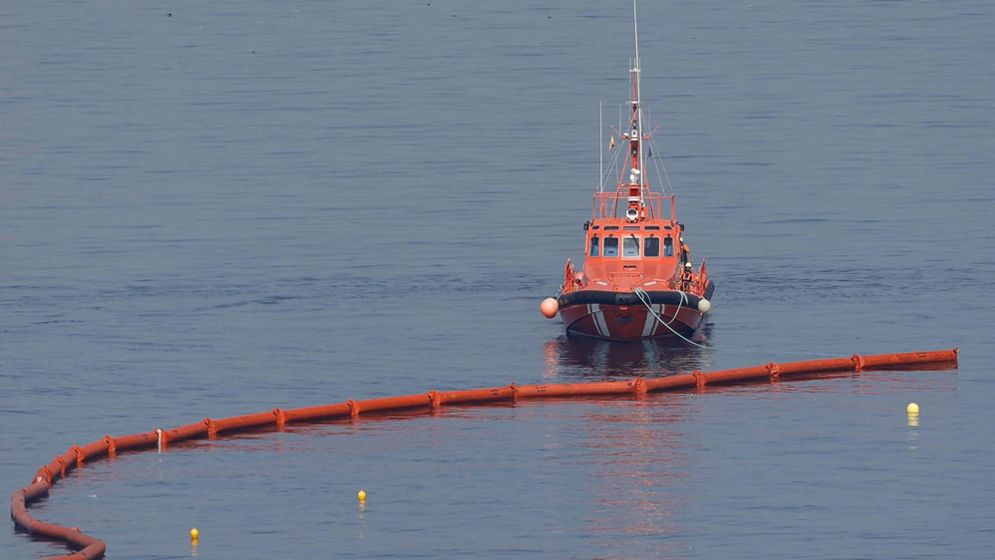
Spain has installed a 500-metre maritime barrier along the coastline of its North African enclave of Ceuta after more than 10,000 migrants entered the territory earlier this week, as authorities move to strengthen border security and contain the crisis.
Spanish officials said on Saturday that at least 67 migrants are believed to have died while attempting the dangerous crossing, with fatalities reportedly caused by drowning and stampedes near coastal breakwaters during the mass movement.
The sudden arrival of an estimated 50,000 to 60,000 migrants on Thursday and Friday created a major humanitarian and security challenge, reigniting debate across Europe over migration and border control. A significant number of those who entered Ceuta have since been returned to Morocco.
Ceuta, located at the entrance to the Mediterranean Sea on the Strait of Gibraltar, has remained under Spanish administration since 1580. Images of thousands of migrants attempting to enter the enclave have prompted strong criticism of Spain’s Socialist government from conservative and far-right opposition parties.
Unlike several European countries and the United States, Spain has pursued relatively more flexible migration policies, including plans to regularise the status of undocumented workers who arrived before 2026.
The crisis has also sparked political tensions within the European Union, with some leaders reportedly calling for Spain to be temporarily suspended from the Schengen free-travel area. Prime Minister Pedro Sánchez dismissed the proposal, saying such demands were driven by misinformation, prejudice or political motives.
Sánchez also argued that despite the recent surge, Spain has recorded lower levels of irregular migration in recent years than countries such as Italy and Greece.
On Saturday morning, Spanish troops intercepted several migrants who swam ashore at Ceuta’s Tarajal Beach and escorted them back to the border. Interior Minister Fernando Grande-Marlaska said Spain would strictly enforce its immigration laws and take firm action against illegal border crossings.
Responding to questions about how such a large-scale crossing occurred despite extensive border security, the minister defended Morocco’s role, saying close cooperation between Madrid and Rabat had enabled authorities to regain control of the situation within 24 hours.
He added that Morocco remains a trusted partner and does not pose a threat to either Ceuta or Spain.