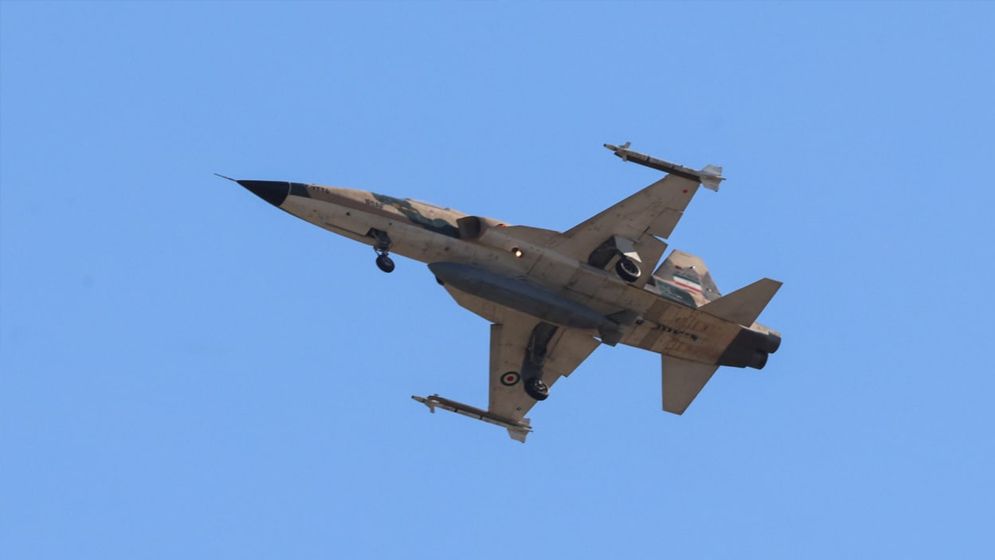

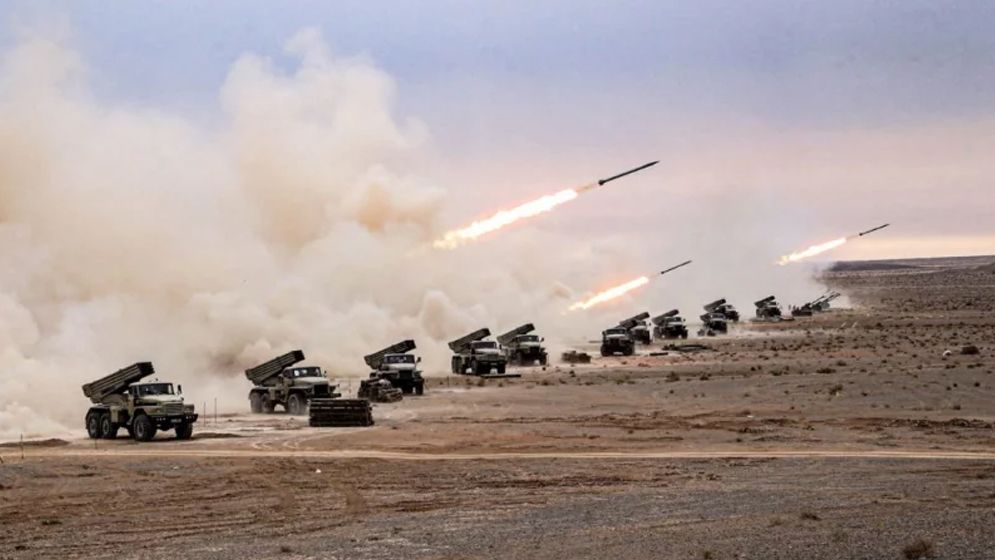
The conflict between Iran and the United States has intensified, with continued drone and missile attacks targeting U.S. military installations and key energy transport routes across the Middle East, while American forces have maintained airstrikes inside Iran. The escalating hostilities have also triggered renewed volatility in global energy markets.
According to Iran’s state broadcaster IRIB, Iranian forces launched multiple drone and missile attacks on Wednesday (July 22) targeting U.S. military facilities at Al-Azraq Air Base in Jordan, Sheikh Isa Air Base in Bahrain, and Camp Doha in Kuwait.
Regional Air Defenses Respond
Jordan’s military said six Iranian missiles entered its airspace, adding that four were intercepted while the remaining two landed in uninhabited areas. Authorities reported no casualties or damage.
Bahrain also claimed that its air defense systems successfully intercepted several incoming drones and missiles.
Iran’s semi-official Tasnim News Agency reported that a large number of attack drones were used against ammunition depots and logistics facilities at Camp Doha in Kuwait.
Iran further claimed to have targeted a regional Amazon data center in Bahrain.
U.S. Conducts 11th Consecutive Night of Airstrikes
The U.S. Central Command (CENTCOM) said American forces carried out a 75-minute air campaign against multiple Iranian military sites for the 11th consecutive night, stating that the objective was to reduce Iran’s ability to threaten commercial shipping through the Strait of Hormuz.
Iranian media reported that a U.S. missile strike near the Bushehr Nuclear Power Plant temporarily disrupted electricity after hitting a nearby power substation.
An Iranian Health Ministry official said the strikes in Bushehr and Ilam provinces killed 50 civilians and injured nearly 500 others.
President Donald Trump confirmed that 18 U.S. service members have been killed since the conflict intensified and reiterated his warning that the United States could strike Iran’s Natanz nuclear facility.
Shipping and Energy Markets Under Pressure
Following a blockade announced by Yemen’s Iran-backed Houthi movement against Saudi energy shipments, three Saudi crude oil tankers were forced to alter their routes in the Red Sea.
Heightened tensions in the Strait of Hormuz have driven up shipping costs. French shipping company CMA CGM announced an emergency surcharge of $65 to $165 per container, effective August 1.
Meanwhile, Brent crude oil climbed above $91 per barrel, while average gasoline prices in the United States rose above $4 per gallon.
Diplomatic Efforts Continue
Despite the escalating conflict, U.S. Secretary of State Marco Rubio said Washington remains open to a diplomatic resolution, although he argued that Tehran has yet to demonstrate genuine willingness to negotiate.
Reports also indicate that Iran is reviewing a proposal for a 10-day ceasefire reportedly put forward through mediation by Pakistan.