
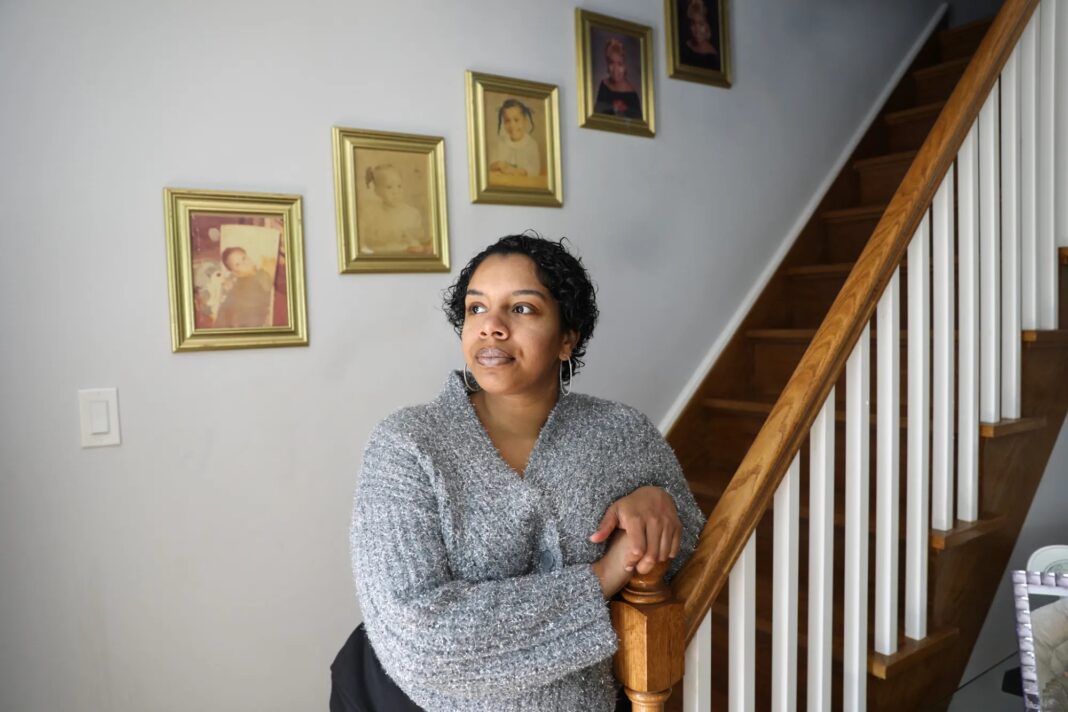
Sadé Singh, a Queens resident who was once positioned by City Hall as the central face of New York City’s landmark “City of Yes” housing campaign, has found herself entirely shut out from building an accessory dwelling unit (ADU) on her own property. During the Adams administration’s aggressive push to reform strict zoning regulations, the 31-year-old corporate communications professional appeared in official promotional videos, penned op-eds, and stood alongside the Mayor at high-profile City Hall press conferences to advocate for backyard cottages and basement apartments. However, more than a year later, as Mayor Zohran Mamdani’s administration officially oversees the rollout of the newly passed rules, Singh discovered that hyper-specific spatial limitations and a last-minute political compromise have rendered her St. Albans property completely ineligible. Expressing profound disappointment, Singh noted that she feels deeply leveraged and exploited by a administration that heavily utilized her personal story for public relations, only to leave her behind once the legislation passed.
According to data from the Department of Housing Preservation and Development, while over 3,100 homeowners have applied for the city’s financial and technical assistance programs to construct these “granny flats,” hundreds are encountering the same restrictive regulatory hurdles as Singh. In her case, her basement is legally classified as a cellar due to its ceiling height and curb-line alignment, while her backyard is slightly too small to meet the minimum square-footage requirements for an attached unit. Furthermore, a late-stage push by local council members to reduce the construction radius around select transit stations left Singh’s home a mere three blocks outside the zone permitted for detached backyard cottages. Housing consultants warn that while the “City of Yes” initiative was heavily marketed as an inclusive, universal solution to ease financial pressure on working-class homeowners, the reality is buried under an overwhelming avalanche of micro-level bureaucratic restrictions that continue to lock out the very New Yorkers who fought hardest for the change.