

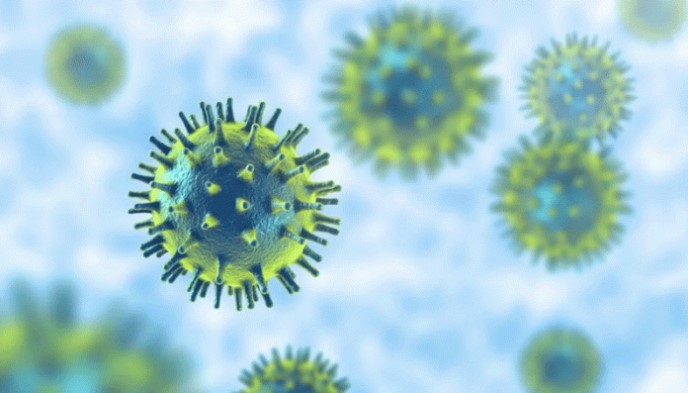
GENEVA – The World Health Organization (WHO) has issued a high-level alert regarding Influenza D, a resilient and evolving virus strain that experts fear could trigger the next global pandemic. While previously confined to cattle and swine, new evidence suggests the virus is successfully adapting to human hosts.
A New Frontier in Respiratory Threats
Unlike the common seasonal Influenza A and B, or the highly infectious Adenovirus, Influenza D is noted for its extreme stability and ability to survive in high temperatures. Scientists from Harvard Medical School and the University of Mississippi, alongside the Institute of Virology in Germany, indicate that the virus has undergone significant character changes, making it more infectious than its predecessors.
While a sub-clade known as ‘Sub-clade K’ has been linked to recent spikes in viral fevers, researchers remain primarily concerned with the mysterious nature of Influenza D.
The Mechanism of Infection
Research reveals that the virus exploits a specific human protein, Apolipoprotein D, produced in the liver. Once the virus enters the bloodstream:
Cellular Destruction: It targets the mitochondria—the cell’s power source—leading to rapid cell death.
Organ Damage: It specifically compromises liver and lung tissue.
Immune Collapse: By triggering rapid viral replication, it effectively dismantles the patient’s immune system from within.
From Farm to General Population
Although a full-scale outbreak has not yet occurred, antibodies found in livestock farm workers confirm that zoonotic transmission (animal-to-human) is already a reality.
“The virus is highly adaptable and stays stable across various climates,” says a WHO advisory. “We must not dismiss this as a common flu. Its capacity to mutate demands immediate global surveillance.”
Global Response
International health agencies are currently racing to develop effective vaccines and preventive protocols. With memories of the COVID-19 pandemic still fresh, the WHO has emphasized that proactive monitoring is essential to prevent Influenza D from becoming the next catastrophic global health crisis.