

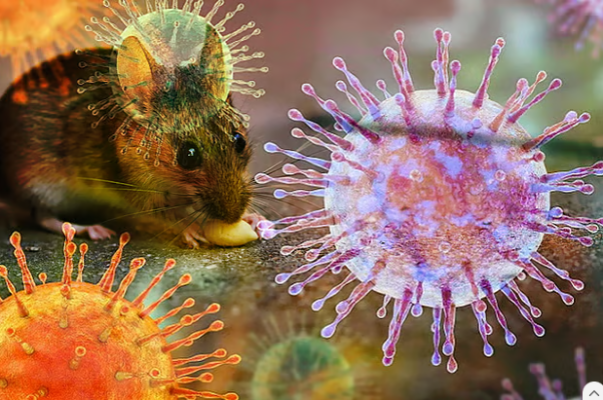
Recent reports of a hantavirus outbreak on an international cruise ship, along with several deaths, have raised global concern once again. Although the virus does not spread as quickly as COVID-19, its high fatality rate makes it extremely alarming.
What Is Hantavirus?
Hantavirus is a zoonotic virus, meaning it spreads from animals to humans. It is mainly carried by rodents such as rats and mice. According to the World Health Organization (WHO), hantavirus is not a single virus but a group of related viruses found in different parts of the world under different names.
History
The virus was named after the Hantan River in South Korea. It was first widely recognized during the Korean War in the 1950s, when many soldiers became infected.
Later, in 1993, a new form called Hantavirus Pulmonary Syndrome (HPS) was identified in the United States. This form severely damages the lungs.
How Does It Spread?
Hantavirus mainly spreads through the saliva, urine, and droppings of infected rodents. When rodent waste dries out, virus particles can mix with dust in the air. People may become infected by breathing in this contaminated air.
The disease can also spread through rodent bites or by consuming contaminated food.
In rare cases, a strain known as the Andes virus can spread from person to person.
Symptoms and Health Risks
There are two major forms of hantavirus disease:
Hantavirus Pulmonary Syndrome (HPS): Causes breathing difficulties and fluid buildup in the lungs.
Hemorrhagic Fever with Renal Syndrome (HFRS): Can lead to kidney failure and internal bleeding.
Early symptoms are similar to the flu, including:
Fever
Headache
Muscle pain
Fatigue
After a few days, severe symptoms may develop, such as:
Serious breathing problems
Coughing
Low blood pressure
Hantavirus is highly deadly. Studies show the mortality rate ranges from 38% to 50%, meaning about 4 out of every 10 infected people may die.
Diagnosis and Treatment
Doctors diagnose hantavirus through blood tests. There is currently no specific vaccine or antiviral treatment for the disease.
Patients usually require intensive care, including oxygen support and other supportive treatments in the ICU.
How to Prevent Hantavirus
Keep homes and workplaces clean and free from rodents.
Wear masks and gloves when cleaning areas where rodents may be present.
Always keep food covered.
Avoid sweeping dusty, unused rooms directly. Instead, use water mixed with bleach to reduce airborne dust.
Store grains and food safely.
Focus on cleanliness and proper sanitation to discourage rodents from living in the area.