
Despite years of international sanctions, war and severe economic pressure, Iran’s economy has avoided the kind of total collapse that many analysts might have expected.
The situation remains extremely difficult. The prolonged disruption around the Strait of Hormuz has affected global energy markets, while Brent crude has been trading close to $90 a barrel. Yet inside Iran, the economic system has continued functioning in ways that appear difficult to reconcile with the scale of the pressure facing the country.
The International Monetary Fund has projected a significant contraction in Iran’s economy this year. At the same time, inflation has reached extraordinary levels, with food prices rising even faster than the overall cost of living.
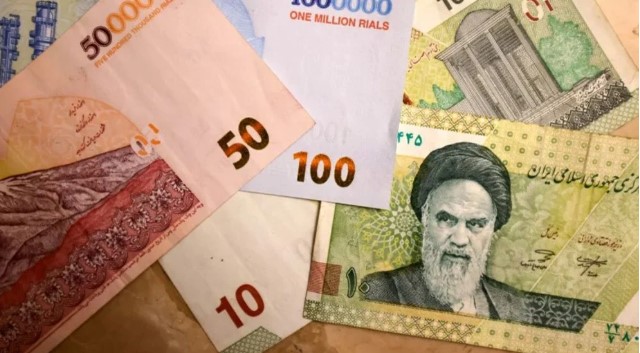
The Iranian rial has also suffered a dramatic decline. Following new U.S. sanctions, the currency reportedly fell to around 2 million rials per U.S. dollar on the open market.
Iran’s energy sector has suffered heavily as well. Gas production has fallen sharply from prewar levels, while electricity rationing has become increasingly common in some areas.
Yet the country’s basic economic institutions have continued to operate.
Why Has the Economy Not Collapsed?
Economists point to an unusual paradox.
Many factors that are considered serious weaknesses for an economy during peacetime—limited foreign investment, heavy state control and isolation from international financial markets—can actually provide some protection during a major crisis.
Iran has very little foreign capital that can suddenly flee the country. Because international investment and external borrowing have been heavily restricted for years, the economy is less exposed to the kind of capital flight that can rapidly destabilize more open economies.
Even Iran’s stock market offers an example of this unusual dynamic.
After remaining closed for an extended period during the conflict, the Tehran Stock Exchange reopened and its main index reached record levels. That did not necessarily indicate strong investor confidence. Instead, the collapse of the rial and limited opportunities to move money abroad left domestic investors with relatively few alternatives for protecting their wealth.
State Control Provides Another Shield
Iran’s highly centralized economic system also gives the government significant control over resources.
In a free-market economy, shifting supplies of raw materials, fuel and other essential goods can involve lengthy negotiations and complicated contracts. In Iran, the government can order state-controlled companies to redirect resources toward sectors considered strategically important.
That ability has become particularly valuable during wartime.
Years of Sanctions Created Alternative Trade Networks
Another important factor is that Iran has spent more than a decade developing ways to operate outside the conventional global financial system.
Trade relationships with countries such as China, Russia, Turkey and Pakistan, along with alternative land, rail and maritime routes, were established well before the current crisis.
Iran has also developed methods of selling oil despite restrictions, including the use of opaque shipping networks sometimes described as a “dark fleet.”
These systems have allowed Tehran to continue generating significant oil revenue even under severe sanctions and wartime pressure.
But Ordinary Iranians Are Paying the Price
The resilience of the state does not mean that ordinary people are doing well.
In fact, the opposite may be true.
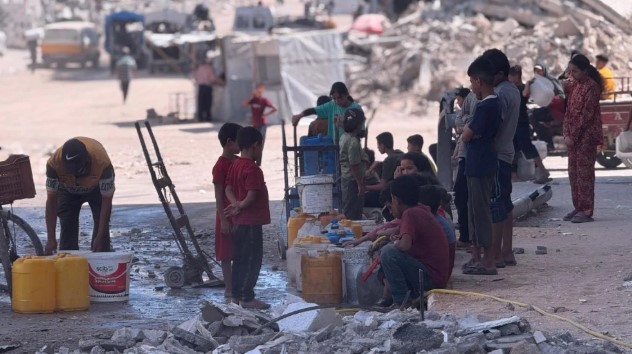
The collapse of the rial and extremely high inflation have preserved the flow of goods in some parts of the economy while destroying consumers’ purchasing power. Food prices have risen dramatically, making basic necessities increasingly difficult for families to afford.
Some estimates suggest Iran’s poverty rate could rise to around 45%.
The government has therefore managed to keep essential institutions functioning, but much of the economic burden has effectively been transferred to households.
A Temporary Survival Strategy
Iran’s approach should not be mistaken for a sustainable economic model.
Years of sanctions have limited investment, delayed infrastructure development and reduced the country’s access to international capital and technology. Using accumulated resources and prioritizing essential sectors may help the government survive a crisis, but it cannot indefinitely replace investment and economic modernization.
Still, Iran’s experience offers an important lesson.
Economic sanctions do not always produce rapid political capitulation. In some circumstances, prolonged isolation can force a country to develop alternative trade networks, strengthen state control and become more accustomed to operating under pressure.
Iran’s economy is clearly suffering—but its ability to keep functioning despite extreme sanctions and wartime disruption demonstrates that economic pressure alone may not be enough to force a heavily sanctioned state to collapse or surrender.