

New York residents are being urged to take extra safety precautions over the Labor Day weekend as millions prepare to travel, visit beaches and parks, swim, cycle and gather with family and friends.
Labor Day will be observed across the United States on Monday, September 7, giving many New Yorkers a three-day holiday weekend. Some residents are planning trips to other states or overseas, while others are expected to spend the weekend at local beaches, swimming pools, parks and recreational venues.
With favorable weather expected to encourage more outdoor activities, New York’s Division of Consumer Protection is urging residents to remain vigilant and prevent avoidable accidents from turning the holiday into a tragedy.
In a safety advisory issued on September 3, the agency highlighted precautions for grilling, swimming and cycling, while also encouraging families to pay particular attention to children during outdoor activities.
Labor Day is traditionally regarded as the unofficial end of summer in the United States. Families and friends commonly gather for barbecues, swimming, beach trips, visits to parks and bicycle rides. However, officials warn that even a moment of carelessness can result in serious injuries.
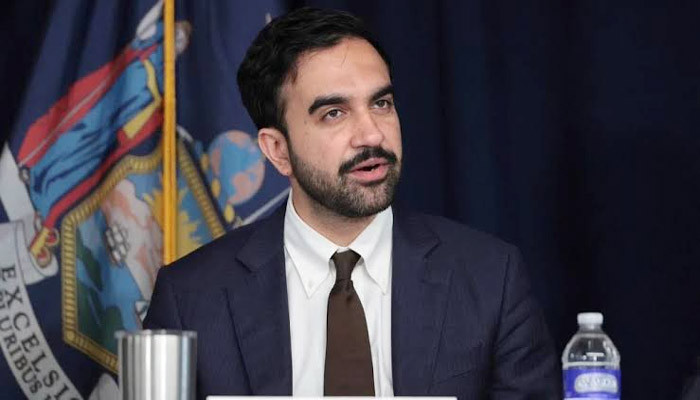
New York Secretary of State Walter T. Mosley said residents should take appropriate precautions while enjoying the final warm days of summer. Whether swimming, grilling or cycling, he urged New Yorkers to make safety a top priority.
State Health Commissioner Dr. James McDonald said Labor Day should be a time for families and friends to enjoy themselves—not a time to end up in the hospital because of a preventable accident. He encouraged residents to remain cautious while cycling, swimming and using grills before the new school year begins.
Extra Precautions When Using Grills
According to the National Fire Protection Association, an average of 21,682 people visit emergency departments each year because of grill-related injuries. Officials are therefore urging residents to inspect their grills carefully before using them and keep an appropriate fire extinguisher nearby.
Gas grills should be checked for cracked, hardened or damaged hoses, holes and possible gas leaks. All connections should also be properly secured, and damaged components should be replaced before the grill is used.
Signs of a propane leak can include a strong odor, a hissing sound or unusually dry grass around the tank. Because not all leaks are easy to detect, anyone who suspects a leak and is uncomfortable inspecting or repairing the equipment should shut off the main gas valve and have the grill examined by a qualified professional.
Grills should be cleaned regularly, including their grease traps, to reduce the risk of sudden flare-ups or grease fires. They should always be placed on a stable, level surface.
When lighting a gas grill, the lid should remain open so excess gas can escape and prevent a potentially dangerous buildup that could result in a fire or explosion.
For charcoal grills, using a charcoal chimney is considered a safer lighting method. Grills should never be used indoors, inside garages or carports, on balconies, close to buildings or underneath structures that could catch fire.
A lit grill should never be left unattended. If flames suddenly increase, users should close the lid if it is safe to do so and shut off the gas supply. Water should never be used on a grease fire. If it is safe, baking soda or an appropriate fire extinguisher may be used. If the fire cannot be controlled, residents should leave the area immediately and call 911.
Children should also be kept away from grills at all times, as the exterior surfaces can become extremely hot and cause serious burns.
Safe Storage and Transportation of Propane Tanks
Officials are also warning residents to handle propane tanks carefully.
A charcoal grill should not be brought indoors immediately after use, as burning or smoldering charcoal can continue producing carbon monoxide until it is completely extinguished.
Liquefied petroleum gas (LP gas) tanks should always be stored upright. Extra propane tanks should not be kept underneath or immediately next to a grill, and full tanks should never be stored inside a home.
When transporting a propane tank in a vehicle, it should remain upright and secured. A full tank should never be left inside a hot vehicle or in the trunk, as excessive heat can increase the pressure inside the tank and create a risk of gas release.
Keep a Close Eye on Children Around Water
Many New Yorkers are expected to head to beaches, lakes, rivers and swimming pools during the Labor Day weekend. As a result, officials are warning that the risk of water-related accidents can increase during the holiday.
Data shows that an average of 4,083 people died from unintentional drowning each year in the United States between 2012 and 2021.
Children should never be left unattended near water. An adult should always be designated as a “water watcher” and remain focused on supervising children. The person responsible should not be distracted by texting, social media, reading, drinking alcohol or other activities.
Even when a lifeguard is present, direct parental supervision remains essential.
Children who cannot swim, those shorter than 48 inches and weak swimmers should wear properly fitted life jackets. Water wings and inflatable toys should never be treated as substitutes for life jackets.
The color of a child’s swimwear can also make a difference. Bright colors are easier to spot in the water, with neon pink and neon orange generally providing better visibility, particularly in pools with light-colored bottoms.
Young children should stay in designated shallow-water areas, and families should always follow instructions from lifeguards and park personnel.
Officials also warn that a person in trouble in the water may not always scream or wave for help. Signs of drowning can include keeping the head low, having the face submerged, keeping the eyes closed, holding the legs vertically or repeatedly attempting to swim without making forward progress. Anyone displaying such signs should be reported to a lifeguard immediately.
Helmets Essential for Cyclists
New Yorkers are also being urged to take bicycle safety seriously during the holiday weekend.
According to the Insurance Institute for Highway Safety, bicyclists account for roughly 2% to 3% of deaths in motor vehicle crashes each year. While fatalities among child cyclists have declined over the long term, the number of bicyclist deaths among people aged 20 and older has increased nearly fivefold compared with 1975.
Cyclists should always wear an appropriate helmet. The helmet should fit comfortably but securely, with the chin strap properly fastened and lying flat. It should sit level across the forehead rather than tilted backward.
When purchasing a bicycle helmet, consumers should make sure it meets the bicycle helmet safety standards of the US Consumer Product Safety Commission.
Residents should not add stickers, covers or other accessories to helmets unless they are approved by the manufacturer, as such modifications could affect the helmet’s performance or conceal damage.
A helmet that has absorbed an impact should not be reused, even if it appears undamaged. Visible cracks, deterioration or other damage are also reasons to replace it. Helmets should additionally be replaced according to the manufacturer’s recommended schedule.
Follow Traffic Laws
Cyclists should obey traffic laws and follow the same rules and responsibilities that apply to other road users. Bicycles should travel in the same direction as motor vehicle traffic, while pedestrians are generally advised to walk facing traffic.
Whenever possible, cyclists should avoid busy roads and use designated bike lanes, parks and trails. Drivers, cyclists and pedestrians should all remain alert and act responsibly toward one another.
New York’s Division of Consumer Protection is reminding residents that a few basic safety measures can go a long way toward preventing accidents during the Labor Day weekend.
Whether grilling, swimming or cycling, taking a few extra precautions can help New Yorkers enjoy a safer and more enjoyable holiday weekend with family and friends.