

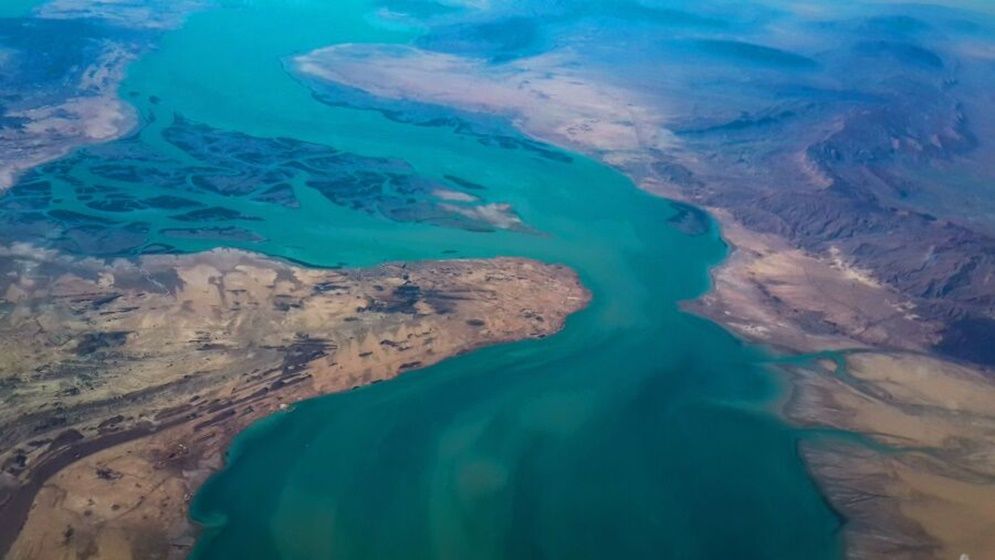
Iran and Oman are reportedly preparing to introduce a joint service fee for commercial vessels passing through the strategically important Strait of Hormuz, despite strong opposition from the United States. According to a report by The New York Times, citing an Iranian official and four diplomats, the two countries are expected to advance the plan on Tuesday.
Earlier this month, a 14-point understanding between the United States and Iran stated that commercial ships would continue to pass through the Strait of Hormuz without additional charges during a 60-day negotiation period. However, the agreement also included a commitment for Iran and Oman to develop a long-term framework for managing the waterway. The proposed fee is said to be part of a broader post-conflict regional trade model, marking a significant shift from the long-standing principle of free maritime navigation.
Sources familiar with the discussions said Oman has argued that any transit fee should remain voluntary, while Iran is pushing for a mandatory system. Muscat reportedly views the proposal as a way to fund maritime safety and navigation services in the strait, drawing comparisons with governance models used in waterways such as the Strait of Malacca and the Singapore Strait. Iranian officials, however, have indicated that Tehran could proceed with the measure unilaterally if a joint agreement with Oman is not reached, prompting Oman to seek a compromise.
The proposal has drawn a strong response from Washington. Reports indicate that US President Donald Trump recently warned against any attempt by Iran and Oman to impose transit charges in the Strait of Hormuz, arguing that the waterway is an international passage that must remain open to global shipping. The remarks reportedly added strain to diplomatic efforts, although Omani officials later assured US counterparts in private discussions that no final decision on introducing such a fee had been made.