
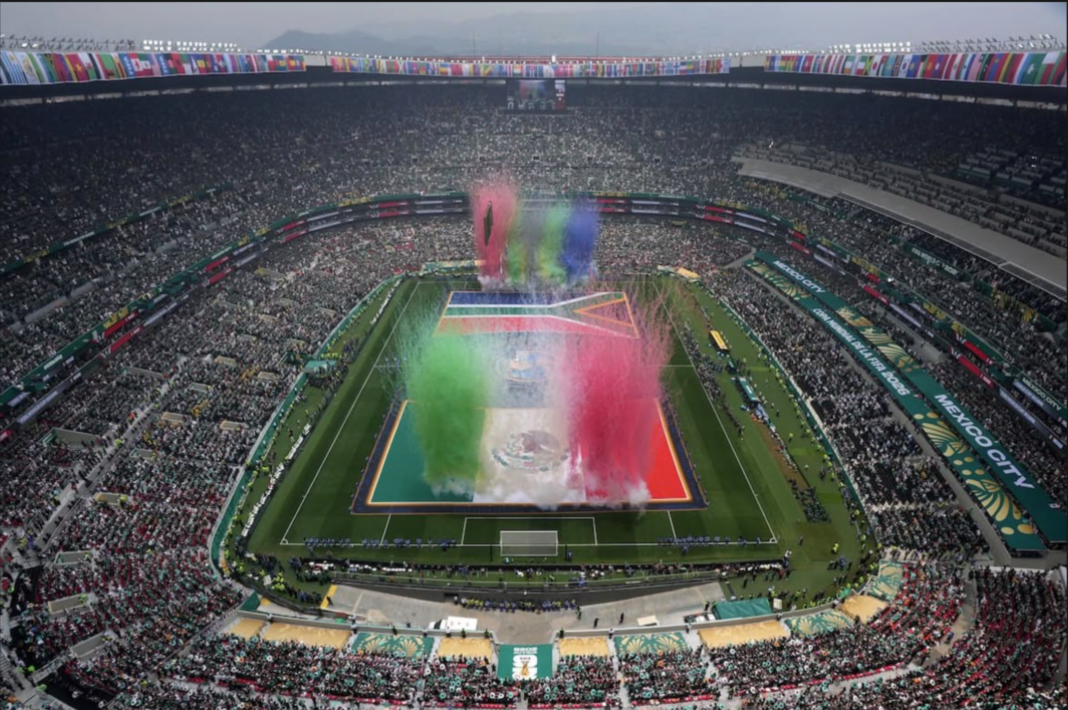
MEXICO CITY — The chanting began hours before kickoff, rolling through the streets of Mexico City like a tide that refused to recede. By the time Thursday’s opening whistle finally sounded, the legendary Estadio Azteca, referred to for tournament purposes simply as “Mexico City Stadium”, had become a sea of green, its vast concrete bowl trembling under the weight of tens of thousands of voices.
This was the curtain-raiser for what organizers are calling the largest sporting spectacle ever assembled: 48 nations, 104 matches, and 39 days of football stretching across the United States, Mexico, and Canada, with a global audience expected to run into the billions. Yet on opening night, the world’s attention belonged to a single ground, one steeped in more footballing folklore than perhaps any other on the planet.
The Azteca holds a record no other stadium can claim: it is the only venue to have hosted three World Cup openers. Its history plays out like a highlight reel of the sport’s most unforgettable chapters. It was here, in 1970, that Pelé lifted the trophy after Brazil’s triumph, the same tournament that produced the so-called “Match of the Century,” when Italy stunned West Germany in extra time. Sixteen years later, this same turf bore witness to Diego Maradona’s infamous “Hand of God” goal, a moment football fans still argue over nearly four decades on.
Speaking to reporters the day before kickoff, FIFA President Gianni Infantino leaned fully into the venue’s mystique, describing it as something close to sacred ground, a place, he suggested, that the sport itself seems to have blessed.
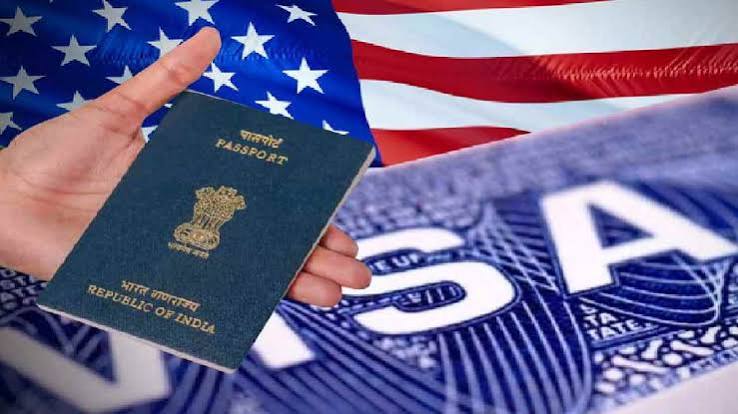
The buildup, however, was anything but serene. The tournament’s launch collided head-on with a string of political flashpoints: outrage over sky-high ticket prices, fallout from the Trump administration’s sweeping immigration crackdown, and an unprecedented diplomatic wrinkle, for the first time in World Cup history, a host nation finds itself formally at war with one of the competing countries, as the United States and Iran remain locked in conflict.
None of it dimmed the mood inside the stadium. Mexico’s national side, affectionately nicknamed “El Tri,” delivered exactly what its supporters had hoped for, defeating South Africa 2-0 in a result that instantly turned into a nationwide celebration.
Outside the gates, the entire city seemed to bend around the occasion. Streets were carpeted in marigolds, Mexico’s signature shade of orange, while mariachi bands and folk dancers entertained crowds streaming toward the stadium. Police officers stood shoulder to shoulder with National Guard troops at checkpoints across the area. Mexico City, already notorious for some of the worst traffic on the continent, ground to a near-standstill, with schools closing for the day and offices urging staff to work from home.
Even the calm wasn’t absolute. A threatened walkout by the country’s teachers’ union had cast a shadow over preparations for days, and on Thursday, demonstrators blocked roads in several neighborhoods. In at least one spot, protesters clashed with security forces stationed just outside the stadium as the match got underway.
For many in the stands, the day felt like a once-in-a-lifetime pilgrimage. Among the crowd were two couples who had traveled all the way from Guadalajara, a city that will host its own World Cup matches later in the tournament, yet still paid roughly $1,300 a ticket simply to be there, to stand shoulder to shoulder with tens of thousands belting out the national anthem as one voice.
One of them, 26-year-old Rafael González, his face painted in the red, white, and green of the Mexican flag, spoke of the Azteca with something close to reverence: the hallowed ground where Maradona and Pelé carved their names into history, and a moment, he said, that comes around only once in a lifetime.