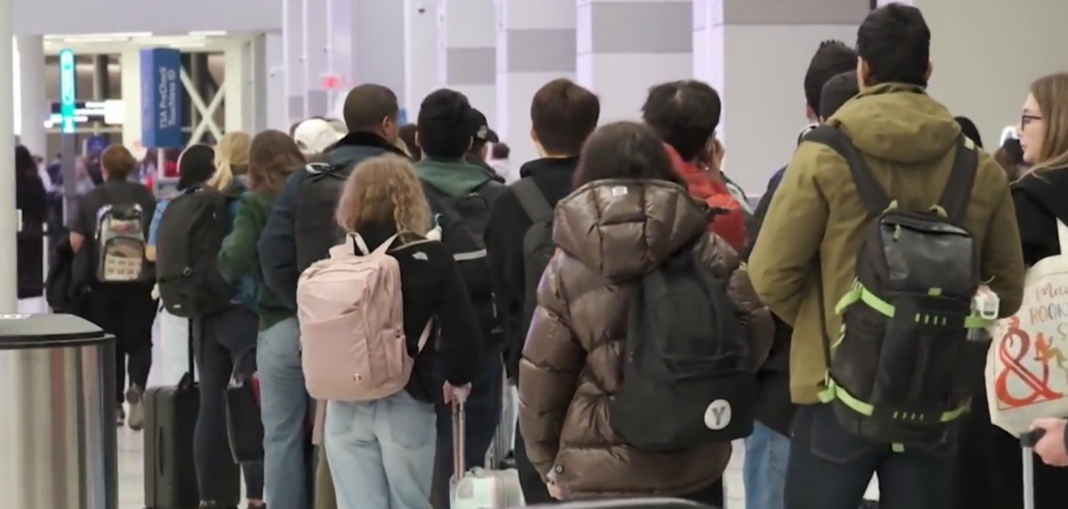


The war in the Middle East has stopped being someone else’s problem. On Sunday, the US State Department issued a worldwide security alert — not just for Americans in the region, but for every American citizen anywhere on the planet. The message was blunt: watch your back, follow embassy guidance, and understand that the threat is no longer confined to a battlefield.
The State Department warned that airspace closures may continue to disrupt travel in the coming days, and that American diplomatic facilities — even those far outside the Middle East — have already been targeted. More troubling still was the acknowledgement that groups aligned with Iran may strike American interests or locations associated with the United States virtually anywhere in the world.
The alert didn’t arrive without context. Just two days earlier, Iranian military spokesman General Abolfazl Shekarchi delivered a threat that sent a chill through foreign ministries worldwide. He warned that as long as the United States and Israel continue their campaign against Iran, popular tourist destinations would now be in Tehran’s crosshairs. That warning was not empty — missiles have already struck tourist areas in Dubai and Israel. Last Friday night, a projectile hit the helipad of the US Embassy compound in Baghdad, a facility that Iran-backed militants have repeatedly targeted since the war began.
It all traces back to February 28, when the United States and Israel launched coordinated strikes on Iran, killing Supreme Leader Ali Khamenei. Tehran responded almost immediately, and the retaliation has only grown bolder with each passing week.
On Sunday, Iran raised the stakes further. The Islamic Republic announced it would operate with “zero restraint” should President Trump follow through on his threat to obliterate Iranian power plants. Tehran warned that energy infrastructure throughout the Persian Gulf and banks doing business with the United States would face devastating consequences. Iranian parliament speaker Mohammad Baqher Qalibaf made clear there would be no concessions — and that any American strike would trigger a response designed to send global energy costs through the roof.
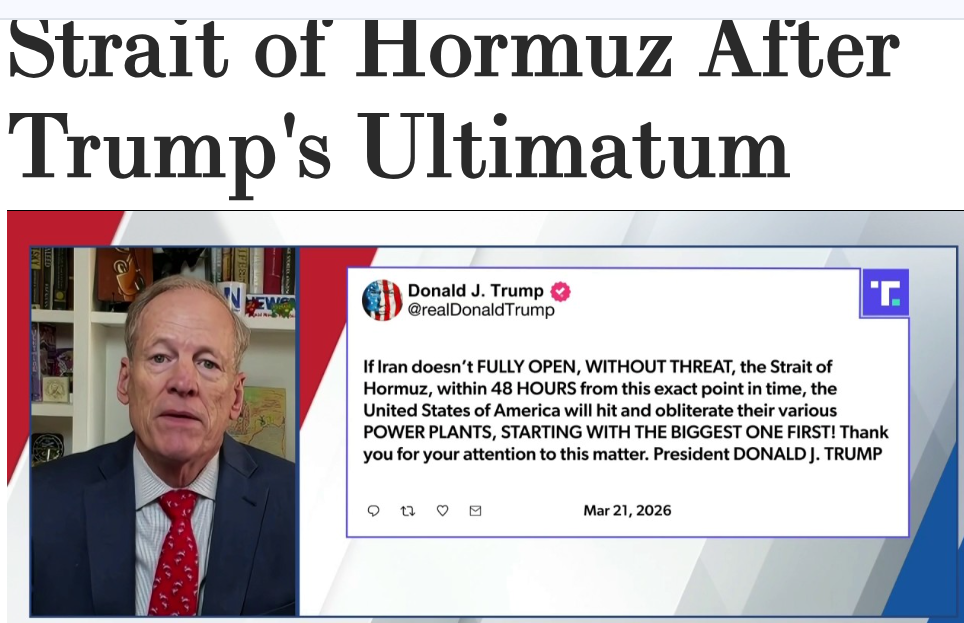
The clock is running. Trump’s 48-hour ultimatum — demanding Iran stand down in the Strait of Hormuz, through which roughly a fifth of the world’s oil flows — expires around 8 p.m. Eastern Time on Monday. As of now, Tehran shows no sign of blinking.
For millions of Americans living, working, and traveling abroad, Sunday’s alert served as a sobering reminder that this war has come to them — whether they were watching it or not.