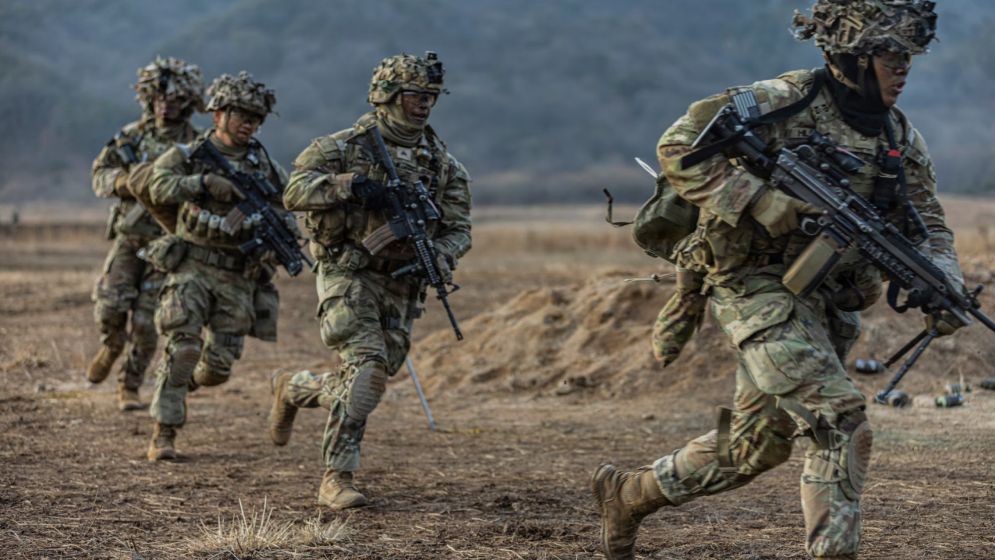

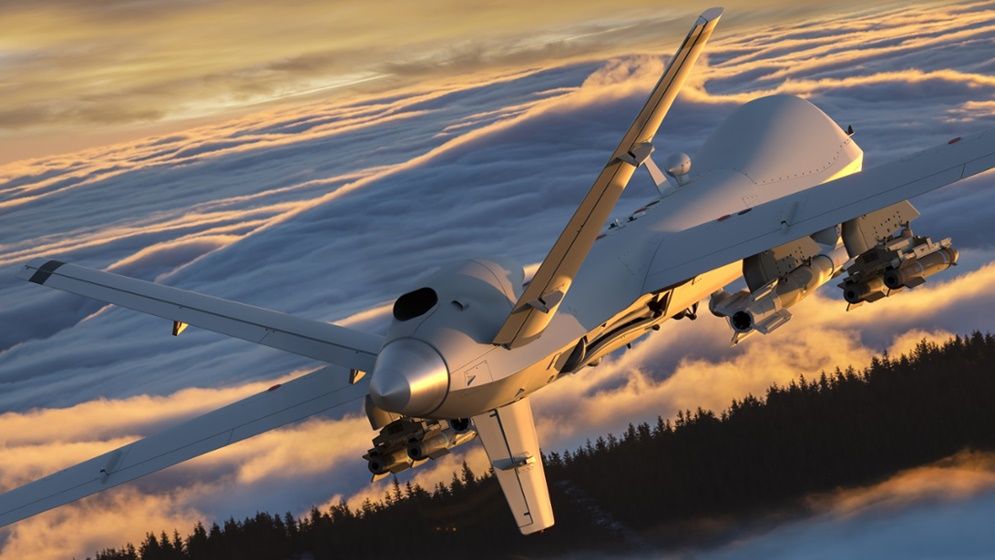
Europe is rapidly reshaping its military strategy based on lessons learned from the war in Ukraine. Artificial intelligence (AI), autonomous systems, and advanced drones are now at the center of the continent’s future defense planning.
According to CNBC, European governments are directing massive defense investments toward AI-enabled drones and autonomous technologies, marking a significant shift away from traditional military priorities.
A New Era of Defense Spending
Recent announcements highlight the speed of this transformation:
NATO has unveiled new initiatives to strengthen drone defense capabilities.
The United Kingdom has committed billions of pounds to drones and counter-drone systems.
Germany is procuring 50,000 drones for Ukraine.
German defense technology startup Helsing has secured funding that values the company at approximately $18 billion.
These developments demonstrate that drones are no longer supporting tools—they are becoming the backbone of modern military operations.
From Tanks to Networked Warfare
Morningstar defense analyst **Loredana Muharremi** says future combat will rely on highly connected battlefield systems.
Instead of simply firing shells, future tanks and armored vehicles will:
* Launch drones.
* Receive live intelligence from satellites and unmanned aircraft.
* Share battlefield data in real time.
* Operate as part of an integrated digital combat network.
This represents a major evolution in military doctrine.
Ukraine Changed Everything
The wars in Ukraine and the Middle East have demonstrated the effectiveness of relatively inexpensive AI-powered drones.
These systems can:
* Conduct precision reconnaissance.
* Improve the accuracy of conventional weapons.
* Operate with increasing autonomy.
* Perform missions at a fraction of the cost of traditional military equipment.
Iran’s low-cost **Shahed** drones have also shown how inexpensive unmanned systems can significantly influence modern conflicts.
NATO and Europe Prepare for Drone Warfare
NATO Secretary General **Mark Rutte** has declared that the alliance must become “drone-ready.”
NATO members are expected to invest **more than $40 billion over the next five years** to strengthen counter-drone capabilities.
The United Kingdom has also pledged approximately **$6.7 billion** to modernize its armed forces and accelerate drone integration.
## Germany’s Massive Drone Program
Germany has awarded contracts for **50,000 drones** intended for Ukraine.
The project involves:
* Defense software company **Auterion**.
* Ukrainian drone manufacturer **Skyfall**.
The drones will use Auterion’s advanced autonomous operating system, designed to:
* Resist electronic jamming.
* Continue missions even after losing communication signals.
* Operate effectively in difficult terrain such as mountains and valleys.
The company is also developing software that will allow a single operator to control entire swarms of drones simultaneously.
According to Auterion CEO **Lorenz Meier**, this is the first war in history where drone technology has fundamentally transformed military operations.
Software Is Becoming the Most Valuable Weapon
The growing use of autonomous systems has increased demand for technologies such as:
* Artificial intelligence.
* Secure communications.
* Electronic warfare.
* Battlefield management software.
* Satellite intelligence.
* Advanced sensors.
Experts believe companies specializing in these technologies will receive the largest share of future defense budgets.
Defense Investment Is Booming
According to McKinsey, Europe’s defense spending has doubled since 2019.
If NATO members achieve their target of spending3.5% of GDP on defense by 2035, Europe’s annual military budget could reach approximately €800 billion by 2030, representing around 2.9% of the continent’s GDP.
Venture capital investment in defense technology has also surged.
European defense-tech funding has increased from:
€200 million in 2021
to approximately **€2.6 billion in 2025
One of the biggest beneficiaries is Helsing, whose latest funding round values the company at **$18 billion**, making it one of Europe’s most valuable defense technology startups.
The Future of European Defense
Europe is increasingly betting on software, AI, autonomous systems, and drone technology rather than relying solely on traditional heavy military hardware.
The experience of modern battlefields has convinced European governments that future wars will be won not only with tanks and fighter jets, but with intelligent, connected, and autonomous technologies capable of operating faster, more accurately, and at lower cost than conventional weapons.