

by Ibrahim Chowdhury Khokon
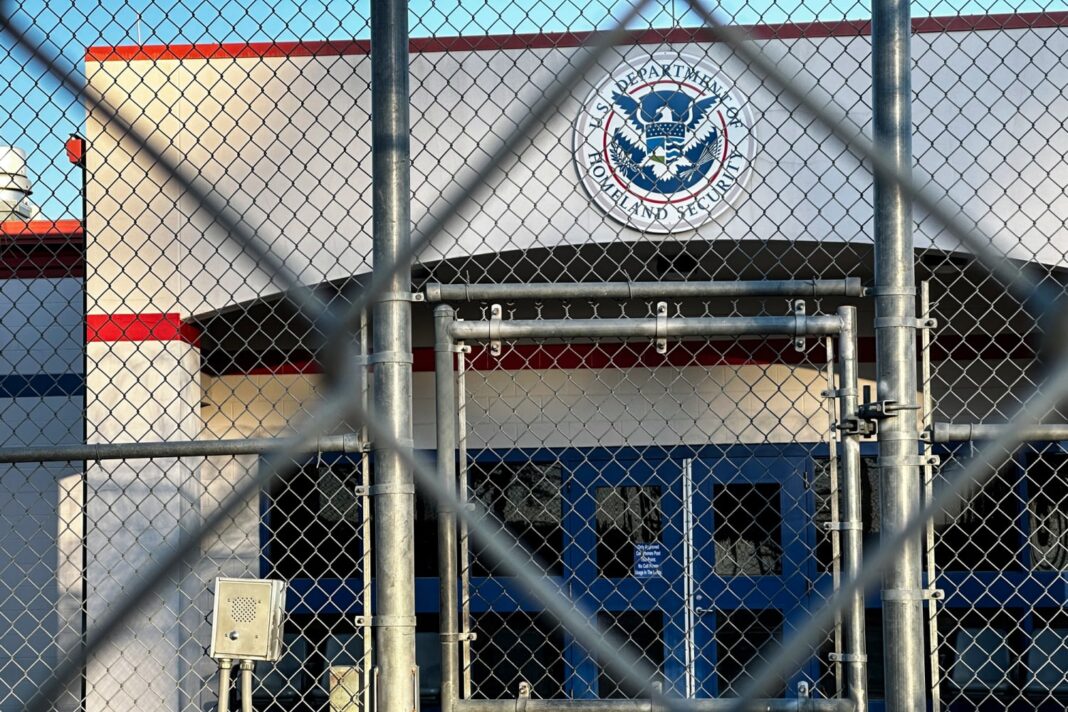
In the United States, the number of deaths in Immigration and Customs Enforcement (ICE) detention centres has reached its highest level in the past two decades. Over the past year, deaths among detainees under ICE custody have surged dramatically, and the situation remains concerning into early 2026. In 2025, at least thirty detainees died, and several more have already died this year. The deceased include citizens from Haiti, Mexico, Cuba, Iran, Guatemala, and other countries.
The causes of death are varied. A 56-year-old Haitian detainee, Emmanuel Damas, was hospitalised due to a dental infection and later died from septic shock. In Texas, Geraldo Lunas Campos was pronounced dead after a confrontation with security staff, and his death has been classified as a homicide. Other detainees have died from heart conditions, drug withdrawal, and various unknown causes. Human rights organisations have stated that many of these deaths were preventable if adequate medical care had been provided.
Several factors have contributed to the rising death toll in ICE detention centres. Overcrowding, insufficient space, lack of food and medical care, and shortages of officers and medical staff have worsened conditions. Government oversight offices have seen staff reductions and limited operations, resulting in inadequate investigations of detainee deaths. Many detainees seeking medical attention have reportedly faced delays or denial of timely care.
Members of Congress and human rights groups have urged ICE and the Department of Homeland Security to ensure proper healthcare and safety for detainees. They argue that numerous deaths could have been prevented with timely and appropriate medical intervention. Although the government maintains that detainees receive emergency care and access to health services, multiple reports indicate that in practice, these provisions often fail.
The rising death rate in ICE detention centres has raised serious questions about U.S. immigration policy, human rights, and healthcare provision. The situation could worsen further if proper oversight and medical care are not improved.