
TEL AVIV — Iran launched multiple waves of missiles toward Israel on Sunday, marking the first such attack since a ceasefire came into effect in early April — a truce that had largely halted direct hostilities between Tehran and the U.S.-Israeli alliance.
The strikes came hours after Israeli forces targeted what the Israeli military described as suspected Hezbollah positions in the southern suburbs of Beirut. The escalation now threatens to derail ongoing diplomatic efforts to forge a permanent peace agreement and end the broader Iran war.
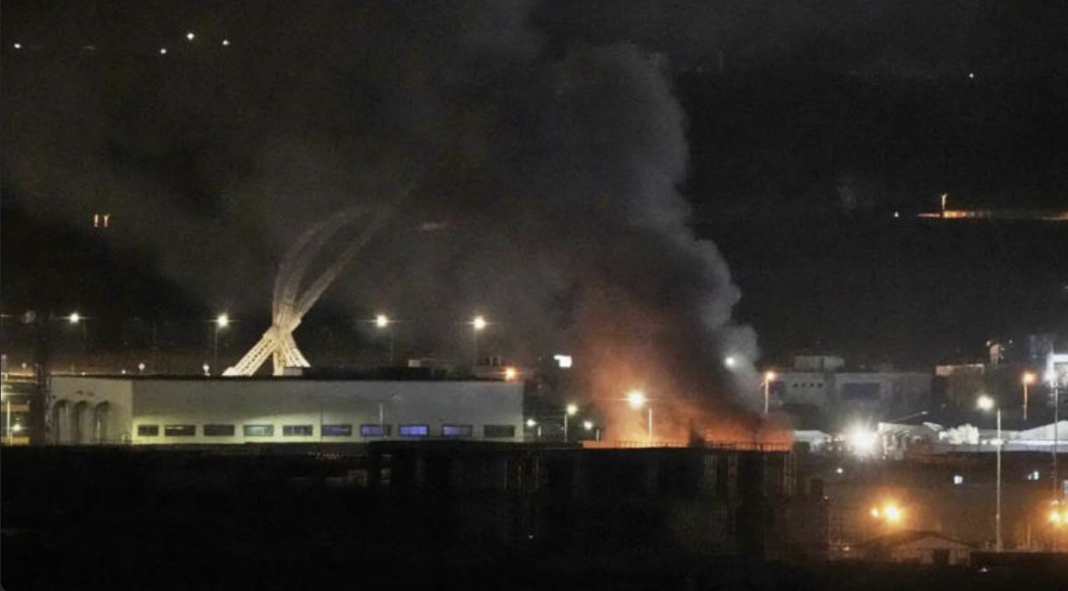
At around 10 p.m. local time, the Israel Defense Forces announced it had detected incoming missiles from Iranian territory. A second barrage followed shortly after, setting off air raid sirens across the country. The IDF stated that all missiles were successfully intercepted.
“Israel will respond forcefully,” a senior Israeli official told reporters, requesting anonymity given the sensitivity of the situation.
IDF spokesperson Effie Defrin said in a public statement that the Iranian regime had made a serious error by returning to aggression, adding that Israeli forces would continue operating throughout Lebanon and would not tolerate attacks on Israeli territory.
Iran’s Islamic Revolutionary Guard Corps claimed responsibility for the strikes, stating it had targeted Ramat David Air Base in northern Israel, which it identified as the launch point for the day’s strikes against Lebanon, according to the semiofficial Tasnim News Agency.
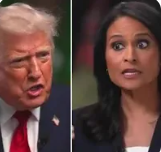
US President Donald Trump, speaking to Fox News, expressed displeasure at Israel’s strikes on Beirut’s suburbs and said Iran’s missile response would not help the peace process. He called on Tehran to stand down and eturn to negotiations.
“What I would suggest to Iran: You’ve shot your missiles, that’s enough — get back to the table and make a deal,” Trump said.
Israeli Defense Minister Israel Katz had noted last week that the IDF had been holding back on major strikes in Beirut at Washington’s request, though he had warned that Israel would act if its northern communities came under fire.
Lebanon’s Ministry of Health reported that Sunday’s Israeli strikes killed two people and wounded 20 others. The attacks came just days after a US-brokered ceasefire with Lebanon was announced — a deal contingent on Hezbollah halting its offensive operations. Hezbollah publicly dismissed the agreement as a sham, and fighting continued on
both sides.
Following Israel’s strikes, Iran’s chief negotiator Mohammad Bagher Ghalibaf posted on social media warning that US and Israeli assets across the region were now considered legitimate targets, citing what he described as an American green light for Sunday’s aggression.
Iran’s military command warned that Sunday’s operation was a warning shot, and that any further Israeli aggression would trigger a wider response targeting all US-Israeli positions in the Middle East.
The Israeli military subsequently announced the cancellation of school sessions and imposed restrictions on public gatherings nationwide.
Sunday’s attack marks the first time Iran has launched strikes against Israel since the April 8 ceasefire, which followed 40 days of warfare after the US and Israel initiated the conflict on February 28. Iran’s Supreme Leader Ali Khamenei and other senior officials were killed
during the hostilities. A coalition of human rights organisations estimated that nearly 1,443 Iranian civilians lost their lives in the fighting, while approximately 20 Israelis were reported killed by Iranian missiles.
Separately, in an interview aired Sunday on NBC’s *Meet the Press* — recorded on Friday — Trump indicated that negotiations remain at an advanced stage. “I think we’re very close,” he said.
Trump made clear that the US would not lift sanctions or unfreeze Iranian assets at the outset of any deal, and would only consider doing so if additional conditions were met over time.
The question of financial relief for Iran has become a major sticking point in negotiations. An Iranian official had told media late last month that a draft memorandum would involve the release of $12 billion in frozen assets and an end to the US naval blockade on Iranian ports in a first phase, with reports suggesting Tehran is seeking a further $12
billion in a later stage.
However, a diplomat familiar with the process indicated that no Iranian assets would be released until Tehran begins surrendering its highly enriched uranium — a central demand from Washington.
Trump also made explicit what would follow a diplomatic failure: “If we don’t make a deal, then we’re going to take them out militarily, very harshly.”