
DOHA — The ongoing Israeli military operations in Lebanon are driven more by Prime Minister Benjamin Netanyahu’s personal political survival than concrete national security goals, a prominent security expert has claimed.
Colin Clarke, a senior research analyst, suggested that the conflict is serving as a domestic shield for the embattled Israeli leader.
‘A Personal War’
Speaking to Qatar-based broadcaster Al Jazeera, Clarke argued that the continuous military campaign is directly linked to Netanyahu’s vulnerabilities at home, particularly regarding ongoing legal scrutiny.
“I don’t look at this as Israel’s war; I look at this as Benjamin Netanyahu’s war,” Clarke stated. “He needs to keep the war machine running to evade judicial accountability.”
Using a distinct analogy for the domestic political heat facing the Prime Minister, Clarke added: “When the music stops, you have to find a chair to sit on. And Netanyahu is currently under massive internal political pressure inside Israel.”
The Washington Factor
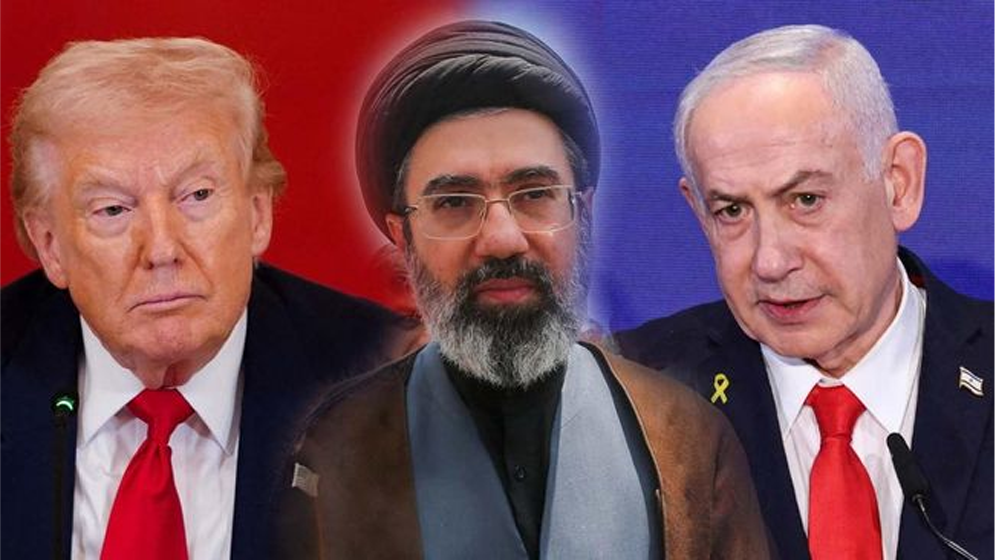
According to Clarke, Israel’s ability to sustain the military offensive indefinitely relies entirely on the United States, meaning the ultimate trajectory of the conflict rests in the hands of the White House.
“Without American support, this war cannot be sustained,” Clarke observed. He noted that while Netanyahu might influence U.S. President Donald Trump to tolerate or back the initial military actions, the U.S. administration holds the leverage to reverse that pressure and force a cessation of hostilities.
Limits of Military Might: The Iran Element
The analyst emphasized that Washington must recognize the boundaries of its military influence in the Middle East, particularly regarding Tehran.
Dismissing the idea of an easy regime collapse or complete capitulation by regional powers, Clarke drew a sharp comparison to past U.S. foreign policy targets.
“Iran is not going to completely surrender or bend the knee. This is not a ‘paper tiger’ that you can overthrow overnight like Venezuela,” Clarke argued.
He concluded that an American realization of this strategic reality remains the primary prerequisite for unlocking a viable path toward a ceasefire.