

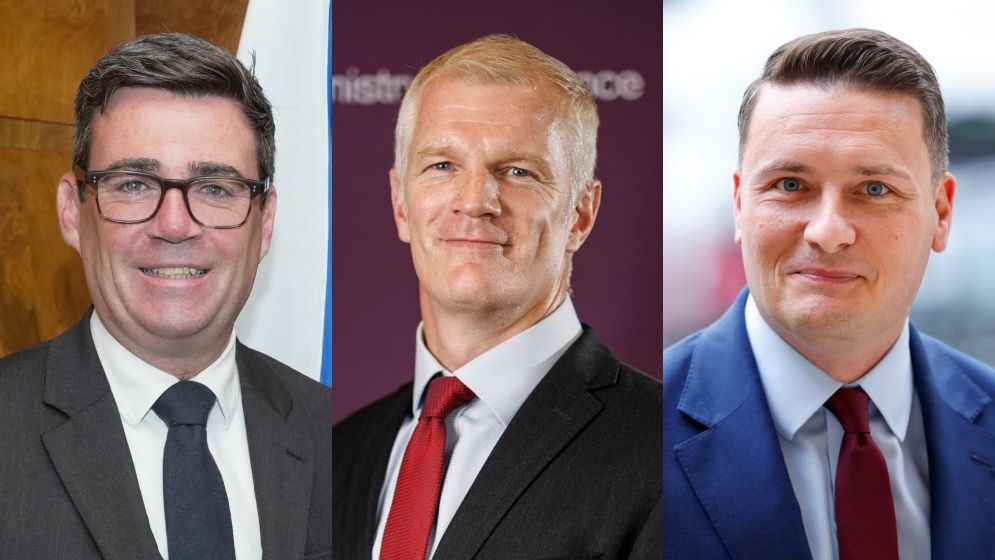
The inevitable has unfolded in British politics. Facing relentless internal party pressure and a severe decline in national popularity, Keir Starmer has officially resigned as Prime Minister of the United Kingdom.
His resignation paves the way for a massive leadership transition within the Labour Party and the British government. Currently, the frontrunner to become the next resident of 10 Downing Street is Andy Burnham, the Mayor of Greater Manchester, who is now widely anticipated to become Britain’s next Prime Minister.
The Downfall of Keir Starmer
Starmer’s departure comes as no surprise to political analysts. Since taking office in July 2024, public approval for his administration consistently plummeted. Public backlash intensified when his government introduced unpopular measures—such as tax hikes and public spending cuts—to address budget deficits that had been downplayed during the election campaign.
The final blow to his premiership arrived in February 2026. The controversial appointment of Peter Mandelson, a known associate of Jeffrey Epstein, as the UK Ambassador to the United States sparked national outrage. This controversy severely impacted Labour in the May local elections, resulting in a historic defeat. In the aftermath, nearly 100 Labour MPs, including former Health Secretary Wes Streeting, publicly demanded Starmer’s resignation.
Burnham’s Strong Position in the Leadership Race
Following Starmer’s exit, the formal process to elect a new Labour leader is underway. According to prediction and betting markets, Andy Burnham holds a record 95% chance of becoming the next Prime Minister. Known as the “King of the North,” Burnham recently demonstrated his political strength in the Makerfield by-election on June 18. Although the right-wing populist party “Reform UK” had dominated the seat during the local elections, Burnham secured a resounding victory with 55% of the vote, securing his seat in Parliament and his eligibility for the party leadership.
While other figures like Wes Streeting and former Armed Forces Minister Al Carns are expected to join the race, analysts give Streeting only a 3% chance of winning. To officially run, candidates must secure nominations from at least 81 of Labour’s 403 MPs. The ultimate decision will then rest on a vote by general party members and affiliated trade unions. Recent polls indicate that Burnham is immensely popular among grassroots members and is heavily favored to win.
Key Challenges Ahead
The road ahead for Burnham will not be without hurdles. A recent YouGov poll indicated that public unfavorable ratings toward Burnham rose from 30% to 41% between May and June.
Upon taking office as Prime Minister, he will immediately inherit two monumental challenges:
Domestically: Reinvigorating the UK’s stagnant economic growth.
Internationally: Navigating complex diplomatic and trade relationships, particularly with an unpredictable American President.
The United Kingdom now watches closely to see how Burnham will handle this new chapter of governance.