
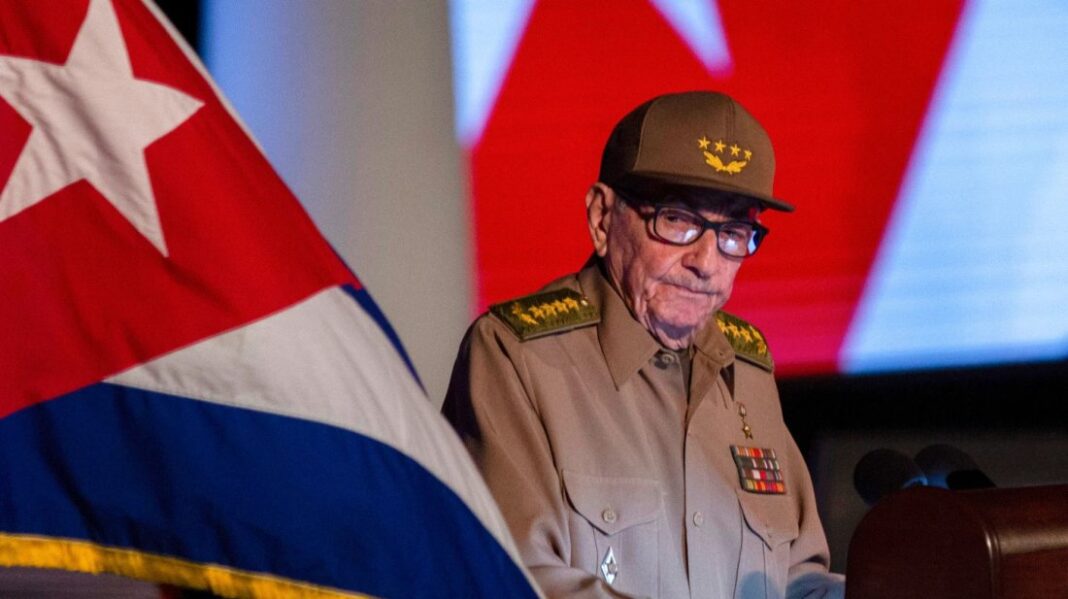
WASHINGTON — In a major diplomatic escalation, the United States has filed criminal murder charges against Cuba’s former president, Raul Castro. The unprecedented indictment, announced by Washington on Wednesday, plunges relations between the two long-time rivals to a fresh post-Cold War low.
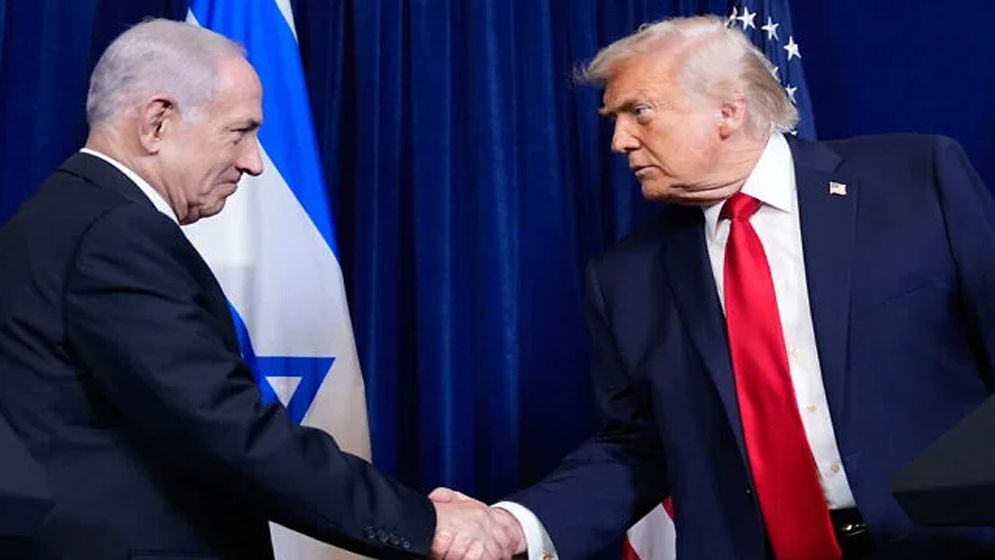
The legal action aligns with the aggressive foreign policy strategy pursued by U.S. President Donald Trump, aimed at exerting maximum pressure on Havana’s communist government, which has held power since the 1959 revolution led by Castro’s late brother, Fidel Castro.
The 1996 Shootdown Case
The federal indictment targets the 94-year-old Castro alongside five Cuban military pilots. The charges stem from a notorious 1996 incident in which Cuban fighter jets intercepted and shot down two unarmed aircraft operated by a Miami-based Cuban exile group.
Castro faces:
Four counts of murder related to the deaths of the U.S. citizens aboard the planes.
Conspiracy to murder and charges related to the destruction of aircraft.
Despite his advanced age, Castro was seen in public in Cuba earlier this month. Legal experts note there is no indication that the veteran leader will leave the island or be extradited to face trial in a U.S. court.
A Rare Legal Precedent
Indicting a foreign head of state is an exceptionally rare move for the U.S. Department of Justice, highlighting the administration’s assertive stance across the Western Hemisphere.
Speaking at a Coast Guard Academy commencement ceremony in New London, Connecticut, on Wednesday, President Trump reinforced his administration’s regional ambitions.
“From the shores of Havana to the banks of the Panama Canal, we will push back against lawlessness, crime, and the forces of foreign aggression,” Trump said.
Havana Denounces ‘Political Maneuver’
The move drew immediate and fierce condemnation from Cuban President Miguel Díaz-Canel. In a statement posted on social media platform X, Díaz-Canel defended the 1996 shootdown as a legitimate act of territorial defense against unauthorized airspace violations.
The Cuban president dismissed the U.S. indictment as a baseless political maneuver intended to create a pretext for future military aggression against the island nation.