
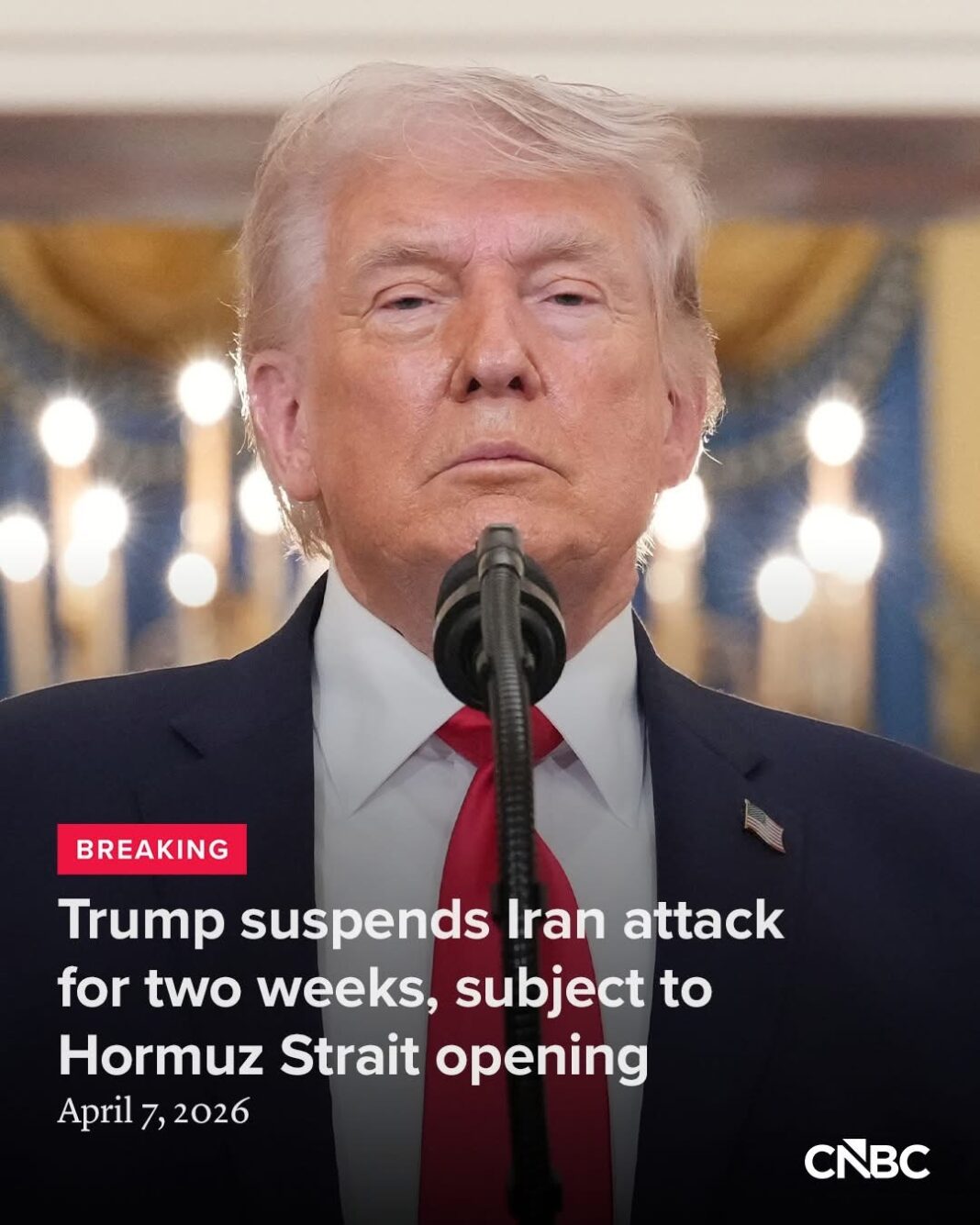
Tensions in the Middle East may be approaching a critical turning point as Donald Trump signals progress toward a potential two-week ceasefire agreement related to the ongoing conflict involving Iran.
According to emerging developments, Trump is reportedly aware of a proposal by Pakistan’s Prime Minister Shehbaz Sharif, who has urged a short-term extension of the Iran deadline to allow diplomatic negotiations more time to continue.
The proposal is said to focus on a “double-sided ceasefire,” temporarily pausing escalating hostilities and creating a limited window for all parties involved to work toward a broader diplomatic agreement.
Meanwhile, Iranian officials have indicated that they are “positively reviewing” the proposal, raising cautious optimism that a temporary de-escalation could soon be possible.
Rising Pressure Before Deadline:
The push for a ceasefire comes just hours before a critical deadline tied to the ongoing tensions involving Iran. Diplomatic sources suggest that although no final agreement has been formally signed yet, behind-the-scenes discussions have intensified significantly.
Trump has hinted that a deal may be “close to finalized,” suggesting that negotiations have progressed further than what has been publicly acknowledged.
Global Implications**
If the two-week ceasefire is agreed upon, it could:
* Temporarily halt escalating military tensions
* Create an opportunity for broader diplomatic negotiations
* Reduce the risk of a wider regional conflict
However, analysts warn that the situation remains fragile, and any breakdown in talks could quickly reverse the progress made so far.
What Happens Next:
Attention is now focused on Iran’s final decision. A formal response from Tehran will likely determine whether the region steps back from further escalation—or moves closer to a larger and more dangerous confrontation.