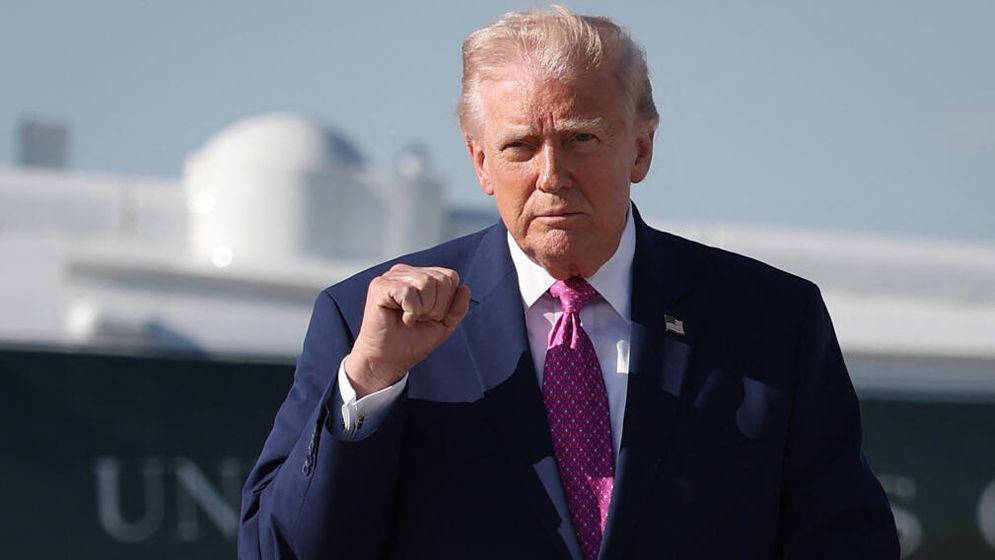

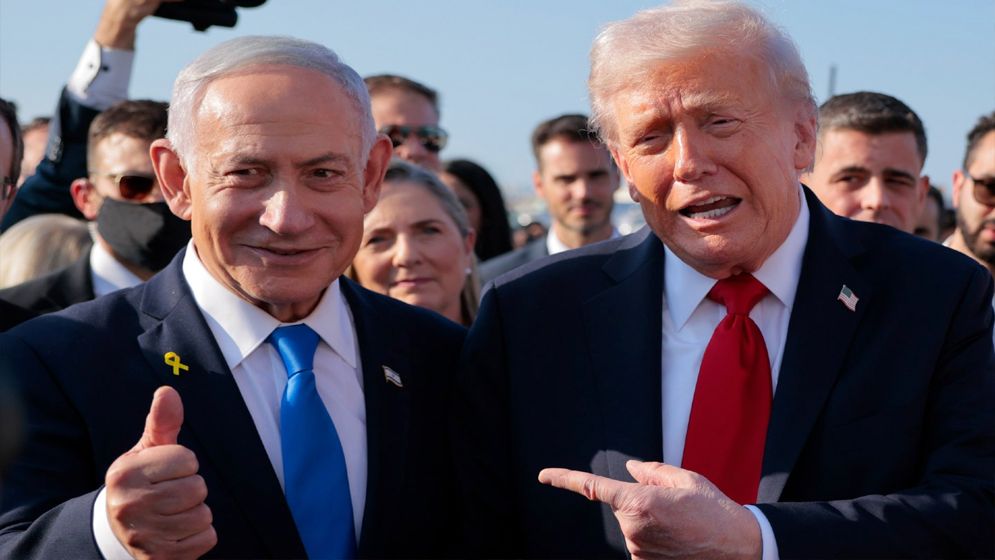
US President Donald Trump has said his relationship with Israeli Prime Minister Benjamin Netanyahu remains “very good,” despite growing differences between the two leaders over a proposed plan for Gaza.
Speaking to reporters during an event at the White House on Monday, Trump was asked about his relationship with Netanyahu after the Israeli leader publicly rejected key elements of the US-backed Gaza proposal.
Trump responded that their relationship was still very good.
His comments came after more than a week of criticism directed at Netanyahu. On Sunday, Netanyahu made clear that he opposed the US proposal, which calls for Hamas to be disarmed and for Israeli forces to gradually withdraw from Gaza.
Political pressure on Netanyahu
Netanyahu is facing a challenging political environment ahead of Israel’s October 27 election. Opinion polls have shown his political bloc either narrowly competitive or trailing its rivals at different points.
The election will be particularly significant because it is the first national vote in Israel since Hamas launched its major attack in 2023.
The proposed Gaza plan has also created tension within Netanyahu’s political base. Polling indicates that a significant portion of his right-wing supporters oppose the initiative, while hard-right members of his governing coalition have been urging him to reject it.
Netanyahu has repeatedly highlighted his close relationship with Trump as an important source of political strength. Trump, meanwhile, has maintained strong support for Israel, including his administration’s decision to recognise Jerusalem as Israel’s capital and move the US embassy there.
Differences over the war
Trump and Netanyahu were closely aligned during the war against Iran that began in late February. Their positions, however, later began to diverge over the future of the conflict and how broader regional tensions should be addressed.
The Gaza proposal represents the next stage of a ceasefire agreement announced with US mediation last October. Although the agreement helped reduce the intensity of Israeli military operations in Gaza, fighting has not completely stopped.
According to Gaza’s Hamas-run Health Ministry, more than 1,250 Palestinians have been killed in Israeli attacks since the ceasefire took effect. The Israeli military has reported the deaths of five of its soldiers during the same period.
The disagreements over Gaza therefore highlight a growing policy gap between Washington and Jerusalem, even as Trump insists that his personal relationship with Netanyahu remains strong.