
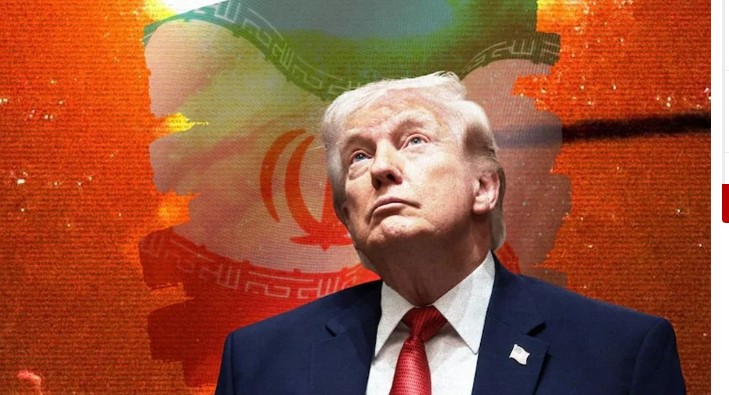
The Trump administration is reportedly considering a major overhaul of its long-term Middle East strategy following the end of the military confrontation with Iran, according to a report by US news outlet Axios.
The proposed policy is still being developed, but its broad objectives include strengthening coordination among Washington’s regional allies against Iran and encouraging Israel to deepen ties with neighboring Arab states.
Bringing Regional Allies Together
According to Axios, Trump has told people close to him that he wants to do “something bigger” in the Middle East once the war with Iran comes to an end.
US officials and people familiar with the discussions said one key element of the strategy would be to bring Washington’s Middle Eastern allies into a stronger security framework aimed at countering Iran.
The United States could potentially take on a greater role as a security guarantor within such an arrangement.
Gaza and Regional Conflicts
Another component under consideration is an effort to reduce conflicts and tensions that have intensified across the region since the October 7, 2023, Hamas attack on Israel.
Possible initiatives reportedly include advancing the next phase of Trump’s Gaza plan, pursuing a security agreement between Israel and Syria, and strengthening the implementation of existing arrangements between Israel and Lebanon.
The broader objective would be to prevent the region from returning to a cycle of prolonged confrontation after the Iran conflict ends.
Expanding the Abraham Accords
A major diplomatic goal would be expanding the Abraham Accords, which established or advanced normalization between Israel and several Arab countries.
The administration is also reportedly interested in securing a normalization agreement between Israel and Saudi Arabia.
Such a deal would represent a significant diplomatic achievement for Trump and could become one of his administration’s most important foreign-policy accomplishments following the Iran war.
Israeli Election Could Affect the Plan
The timing of the initiative is also significant. Israel is scheduled to hold elections on October 27, followed by the US midterm elections in November.
The Trump administration reportedly hopes that Israel’s next government will cooperate with its proposed regional strategy.
However, Washington does not appear willing to wait indefinitely for Israel’s political situation to settle. Sources told Axios that even if political deadlock persists after the election, the Trump administration could continue trying to advance its plans.
Strategy Still Under Development
Trump has reportedly discussed the emerging strategy with senior advisers during two meetings over the past several weeks. Various proposals and ideas have been considered, but the framework has yet to be finalized.
One person familiar with the discussions said it could take several more weeks before the plan is fully developed.
The central challenge, according to the source, is determining how to bring Middle Eastern countries into a common postwar framework.
Whether all of Washington’s regional partners will ultimately agree to participate remains uncertain.
Alternative Headlines
Trump Plans Major Middle East Reset After Iran War
US Weighs New Middle East Strategy as Trump Seeks Post-Iran Order
Trump Eyes Regional Security Bloc and Israel-Saudi Deal After Iran War
After Iran Conflict, Trump Moves Toward a New Middle East Framework