by Ibrahim Chowdhury Khokon
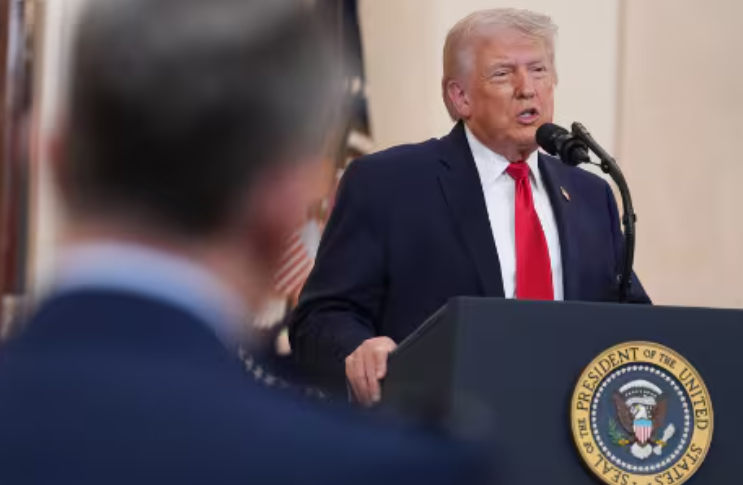
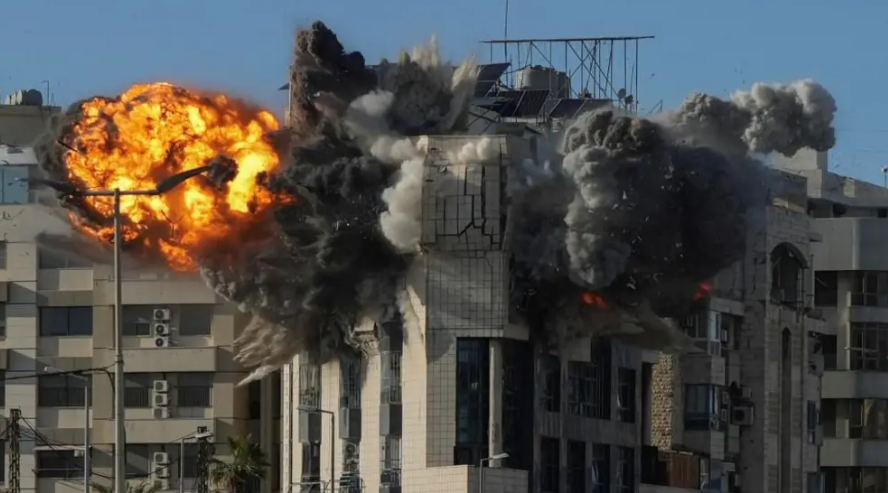
More than a month after the war began, President Donald Trump addressedthe nation in his first primetime speech of the Iran conflict onWednesday night, declaring that the United States is close to completingits “core strategic objectives” and that American forces will “finish the job” soon. But the reality beyond the podium is considerably more complicated — Iran shows no signs of standing down, diplomacy is all but paralysed, and thousands of additional US troops continue to pour into the Middle East.
In his address, Trump said, “For years, everyone has said that Iran cannot have nuclear weapons. But in the end, those are just words if you’re not willing to take action when the time comes.” He claimed that over the past four weeks, US armed forces had achieved “swift, decisive and overwhelming victories on the battlefield,” while taking direct aim at his predecessors. “The situation has been going on for 47 years and should have been handled long before I arrived in office,” he said. But it was remarks made outside the formal speech — at an Easter lunch earlier in the day — that generated the most attention, before the White House uploaded and then quietly deleted the video without explanation.
At the lunch, Trump said, “We could just take their oil. But I’m not sure that the people in our country have the patience to do that, which is unfortunate.” He added, “If we stayed there, I would prefer just to take the oil. But people in the country say, just win, you’re winning so big, come home. And I’m OK with that too.”
Earlier the same morning, Trump had posted a social media warning that if Iran does not reopen the Strait of Hormuz, the United States would bomb it “back to the Stone Ages.” But in the same breath, he appeared to reverse an earlier threat, saying the US “will not have anything to do with” ensuring the security of ships passing through the strait. At the
Easter lunch, Trump turned on NATO allies once more, saying, “Let South Korea do it. Let Japan do it. Let China do it. They get 90 percent of their oil from the Strait.”
From Tehran, the response was defiant. Iranian Foreign Minister Abbas Araghchi told Al Jazeera, “You cannot speak to the people of Iran in the language of threats and deadlines. We do not set any deadline for defending ourselves.” He confirmed that direct messages had been exchanged with US Middle East envoy Steve Witkoff, but insisted there are no formal negotiations and that Iran’s trust in the United States is at “zero.” He also issued a pointed warning against any US ground offensive, saying simply, “We are waiting for them.”
Trump’s morning social media post also claimed that “Iran’s new regime president” was seeking a ceasefire — a statement that made little sense given that Iran has the same president it had before the war. Iran’s Foreign Ministry spokesman Esmail Baghaei swiftly called Trump’s claim “false and baseless.”
Hours before Trump’s address, Iranian President Masoud Pezeshkian posted a lengthy letter in English on his X account, appealing directly to the American people. “Exactly which of the American people’s interests are truly being served by this war?” he wrote, stressing that Iran had pursued a path of negotiations before the United States walked away from
it.
Behind the scenes, a degree of quiet diplomacy appears to be underway. Three officials speaking on condition of anonymity said US officials have given “clear assurances” that Foreign Minister Araghchi and Parliamentary Speaker Mohammad Bagher Qalibaf will not be targeted — a signal that Washington wants to preserve at least some diplomatic
channels for whatever comes next.
On the economic front, Trump acknowledged rising oil prices and volatile financial markets but insisted the disruption would be temporary. The reality tells a different story. Brent crude has risen more than 40 percent since the war began on February 28. Senator Chris Coons has said the conflict is driving up the cost of groceries, utility bills and mortgages for ordinary American families — a pressure that polls suggest is beginning to erode public support for the war.