
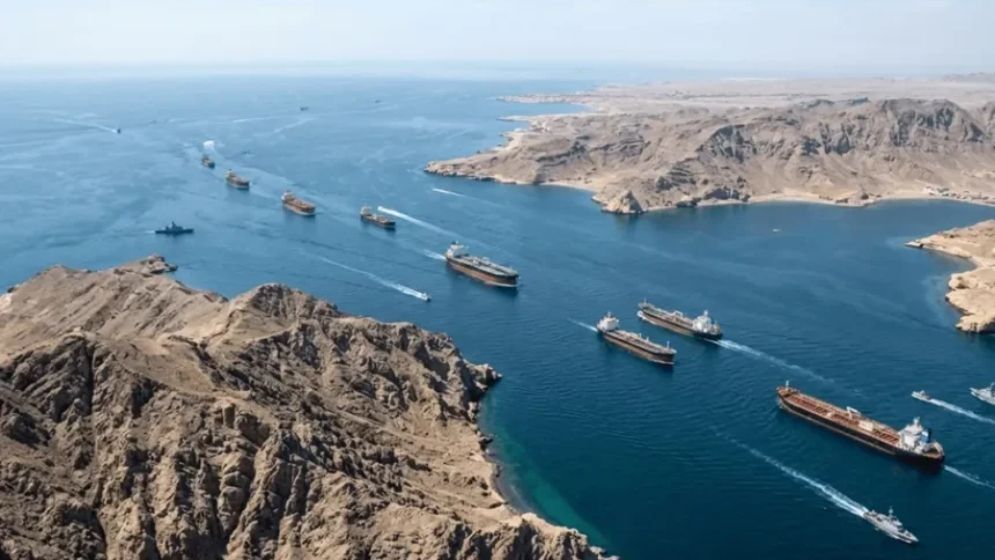
TEHRAN – In a move that significantly escalates tensions in the Middle East, Iran has announced a restrictive new regulatory framework for all maritime traffic passing through the Strait of Hormuz.
Effective immediately, vessels navigating the world’s most critical energy chokepoint must obtain prior authorization and pay a transit fee to the newly established Persian Gulf Strait Authority (PGSA). This strategic waterway handles approximately one-fifth of the world’s daily oil consumption, and these measures effectively place the corridor under Tehran’s direct administrative control.
The New “Vessel Information Declaration”
According to the shipping journal Lloyd’s List, the PGSA now requires shipmasters to complete a comprehensive “Vessel Information Declaration.” This mandatory filing includes over 40 detailed inquiries, such as:
Ownership & Insurance: Full disclosure of parent companies and indemnity providers.
Operational Data: Current and previous vessel names, identification numbers, and precise route plans.
Cargo & Crew: Itemized descriptions of cargo and detailed manifests of all personnel on board.
Geopolitical Brinkmanship
Iranian state media confirmed the regulations are designed to assert total sovereignty over the strait. The Iranian military issued a stark warning: any entity complying with U.S.-led sanctions against Iran will face “severe difficulties” attempting to transit the waterway.
While nations such as India and Pakistan are reportedly in diplomatic talks with Tehran to secure safe passage for their flagged vessels, Iran has signaled that ships associated with the United States or Israel will be denied access entirely.
International Backlash
The Trump administration has condemned the move as “maritime piracy” and advised international shipping companies to ignore the toll requirements.
Diplomatic Maneuvers: The U.S., in collaboration with Bahrain, is seeking a United Nations resolution to declare the strait an international waterway. However, Russia has signaled its intent to veto any such motion.
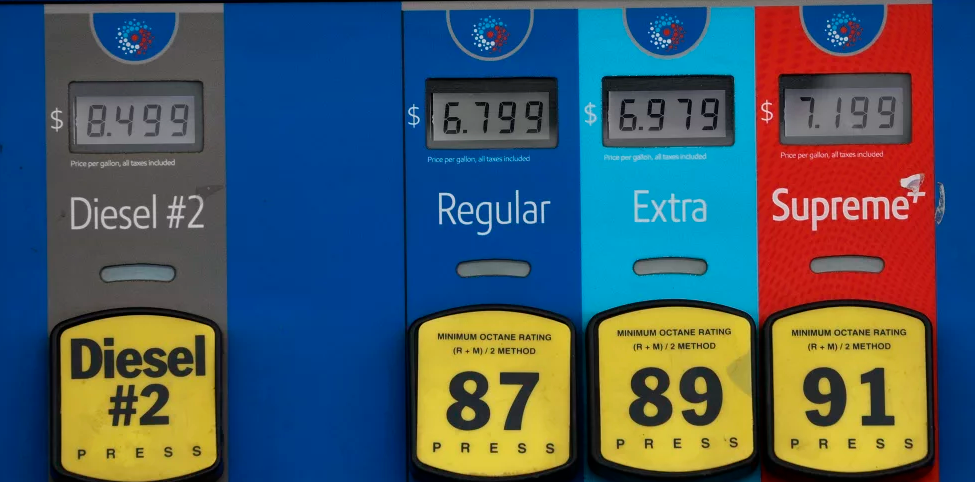
Economic Impact: The standoff has already triggered volatility in global energy markets.
Following the death of the previous Supreme Leader in February, the office of Supreme Leader Mojtaba Khamenei stated that controlling the strait is a “strategic weapon” intended to end foreign intervention and solidify a “Strong Iran.”