

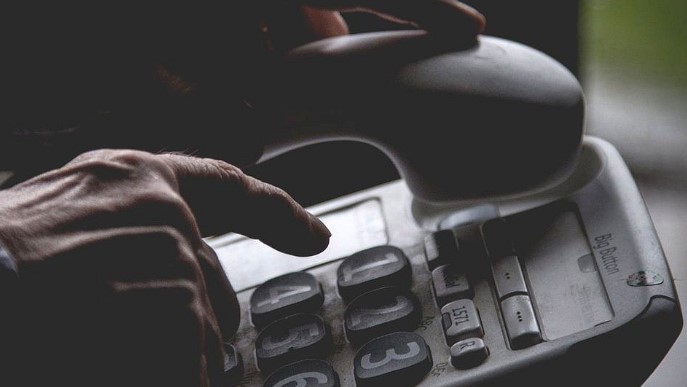
Americans are increasingly hesitant to answer calls from unknown numbers as robocalls surge across the United States. An estimated 4.4 billion robocalls were made in July, according to call-screening company YouMail, marking the highest monthly total recorded over the past year.
Robocall activity had fallen to its lowest level in October 2025 but has steadily climbed since then. Telemarketing campaigns and potentially fraudulent offers accounted for a significant share of the calls recorded in July.
One of the most common pitches involved so-called “pre-approved loan offers.” Recipients were told they had supposedly qualified for large personal loans with unusually low monthly payments. YouMail said such campaigns appeared to violate telemarketing rules and, based on complaint patterns and call behavior, could be linked to scams.
Some US cities are being hit harder
The increase has not been uniform across the country. Several area codes recorded particularly sharp rises in July.
The 346 area code serving Houston saw robocalls jump by about 19% in a single month. Atlanta’s 470 and Albany’s 229 area codes each recorded increases of around 13%, while Indianapolis’ 765 area code rose by roughly 12%.
Area codes covering Memphis, Evansville and Denver also experienced increases of about 11%.
Regulators face an uphill battle
YouMail CEO Alex Quilici said that although the Federal Communications Commission has tightened rules in recent years, scammers continue to exploit weaknesses in the telecommunications system.
He also raised concerns that some dishonest telecom operators may be profiting from illegal call traffic. According to Quilici, sophisticated networks can generate enormous volumes of fraudulent calls without requiring a large number of people behind them.
Senate moves to tighten restrictions
Lawmakers are also seeking tougher measures. The US Senate has already passed legislation aimed at strengthening restrictions on robocalls originating from overseas.
Democratic Senator Peter Welch of Vermont, one of the bill’s sponsors, said Americans across political parties are growing tired of answering their phones while constantly worrying that the caller could be attempting to scam them.
What consumers should do
Experts caution that registering a number on the National Do Not Call Registry does not guarantee that telemarketing calls will disappear, particularly because illegal callers often ignore the rules.
The safest approach is to let suspicious calls go to voicemail rather than answering them. If a bank, utility provider or health insurer needs to be contacted, consumers should use the phone number printed on their official card, bill or latest statement rather than relying on a number provided during an unexpected call.
As robocall networks become increasingly sophisticated, simply ignoring unknown numbers may be one of the most effective ways for consumers to avoid becoming the next target.