
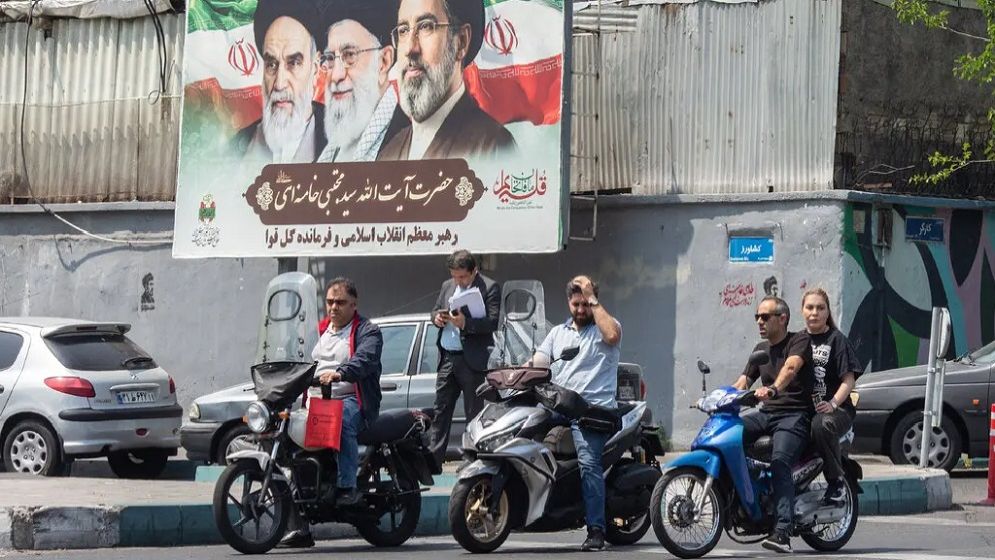
Iran’s Supreme Leader Ayatollah Mojtaba Khamenei may be more willing than his father, the late Ayatollah Ali Khamenei, to authorize the development of nuclear weapons, according to assessments by multiple U.S. intelligence agencies.
A report by The New York Times says that although Ali Khamenei advanced Iran’s nuclear program, he opposed the development of a nuclear bomb. U.S. officials believe that while Mojtaba Khamenei has never publicly endorsed nuclear weapons, he and Iran’s new hardline leadership could be more inclined to pursue that option in the future.
According to U.S. officials, if the recent U.S. and Israeli military strikes have strengthened Iran’s determination to obtain nuclear weapons, it would represent one of the conflict’s most significant strategic consequences.
The report also states that Iran has tightened its control over the Strait of Hormuz and adopted a tougher stance in ceasefire discussions with the United States.
However, U.S. officials cautioned that most of their intelligence regarding Mojtaba Khamenei’s views was gathered before the conflict began. They noted that he was seriously injured during the fighting and has made very few public appearances since then.
Officials also believe that although Mojtaba Khamenei now serves as Iran’s Supreme Leader, he has not yet consolidated authority to the same extent as his father, who ruled for 36 years. During this leadership transition, the Trump administration is reportedly considering expanding military pressure on Iran.
Despite these assessments, the report says Iran has not officially resumed its nuclear weapons-related activities. Following the U.S. strikes, Tehran has focused on securing its existing nuclear infrastructure. U.S. officials claim that Iran has attempted to relocate some centrifuges to the heavily fortified underground “Pickaxe Mountain” facility in central Iran.