

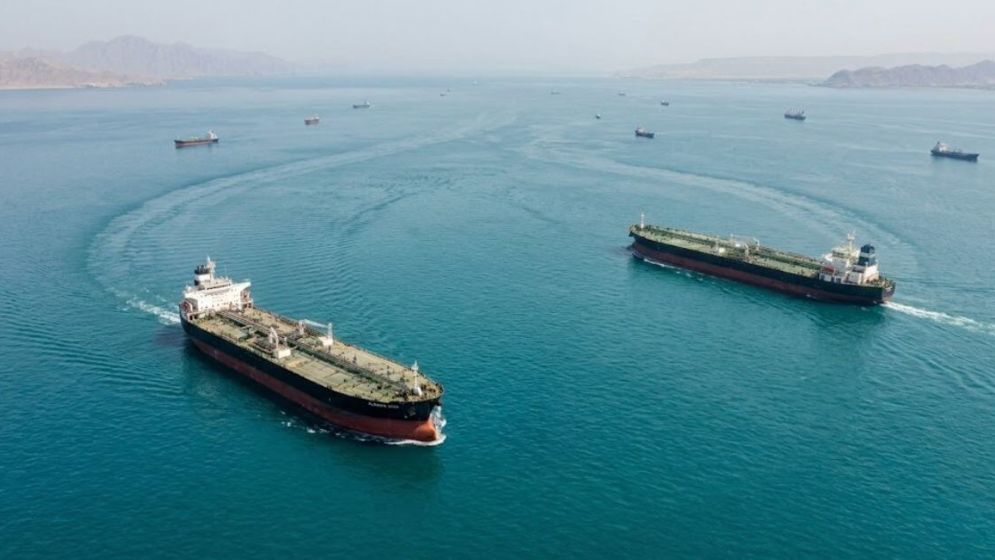
Tehran — Amidst simmering regional tensions, Iran has issued a stern warning to the international community, stating that any nation assisting in the enforcement of U.S. sanctions against Tehran will face “difficulties” when navigating the strategic Strait of Hormuz.
The statement, released by the Iranian military on Sunday, May 10, highlights the growing friction in one of the world’s most vital maritime chokepoints. According to a report by the Tasnim News Agency, Brigadier General Akrami Nia emphasized that Tehran’s adversaries have failed to achieve their objective of destabilizing the Islamic Republic.
A Fragile Geopolitical Balance
General Akrami Nia asserted that despite ongoing external pressures, Iran’s political structure remains resilient. “None of the conspiracies hatched by our enemies have succeeded,” he stated, maintaining that the balance of the Iranian political system remains intact.
The warning comes in the wake of a volatile period that began on February 28, following a series of retaliatory strikes between Iran and Israel. During that escalation, Tehran briefly disrupted traffic through the Strait of Hormuz, targeting U.S. allies in the Gulf.
From Ceasefire to Naval Blockade
While a ceasefire was brokered by Pakistan on April 8, it failed to produce a long-term diplomatic resolution. Although U.S. President Donald Trump later extended the ceasefire indefinitely to allow for diplomatic talks, a naval blockade on Iranian maritime traffic has remained in effect since April 13.
In a recent development, President Trump announced the temporary suspension of “Project Freedom”—a military initiative aimed at restoring unrestricted commercial navigation—to facilitate dialogue. However, he clarified that the U.S. naval blockade against Iran would continue at “full strength.”
Global Energy Concerns
Tehran’s latest rhetoric is seen as a direct response to Washington’s “unyielding position.” Analysts warn that any Iranian interference with shipping in the Strait of Hormuz could send shockwaves through global energy markets and pose a significant threat to international maritime security.