
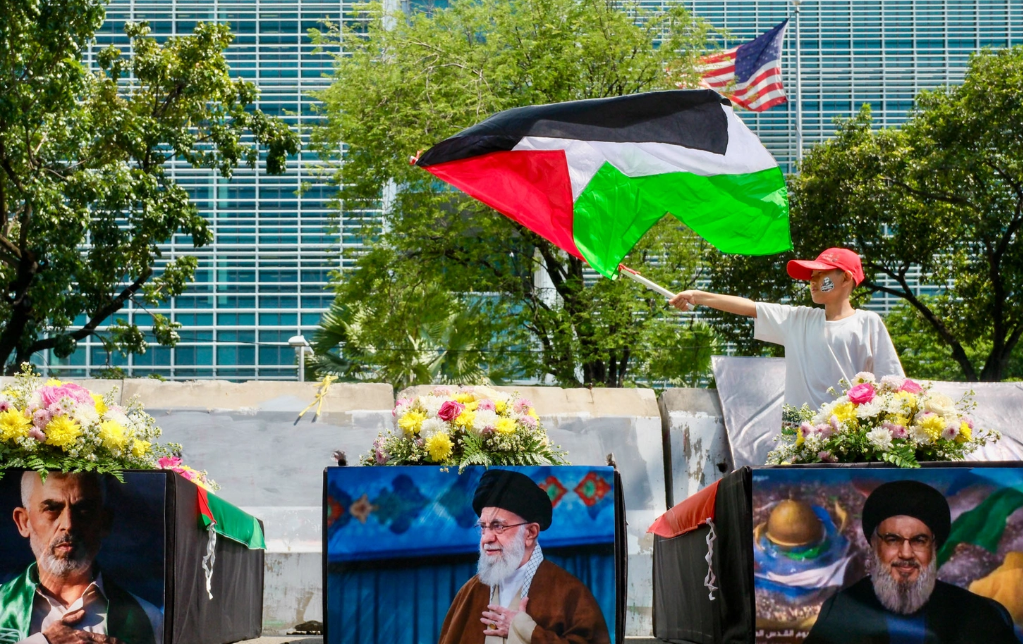
A series of leaked confidential diplomatic cables from the US State Department reveal that the war involving Iran is significantly damaging America’s strategic relationships and global reputation. The cables, obtained by Politico and sent last Wednesday, highlight growing concerns from US embassies in three countries — Bahrain, Azerbaijan, and Indonesia. As pro-Iran narratives dominate digital spaces, US diplomats say they are unable to respond effectively because they are restricted to messaging approved by the White House.
In Bahrain, the situation appears particularly sensitive. The Gulf nation hosts the headquarters of the US Fifth Fleet, yet a cable from Manama indicates growing public perception that the United States has prioritized Israel’s security while leaving Bahrain exposed to Iranian drone and missile threats. Pro-Iran social media accounts are amplifying doubts about the US military presence, questioning whether it actually increases risks for Bahrain and whether those forces should leave. One widely circulated post asked whether a country that “abandons the Gulf for Israel’s security” can be trusted with Bahrain’s safety. The cable also noted that Bahrain’s state media has highlighted the success of its own military without mentioning US assistance, leaving the public unaware of Washington’s role. The situation is further complicated by the British Embassy’s active social media presence, which has created an impression that the United Kingdom is stepping up while the United States is falling behind.
In Azerbaijan, recent diplomatic progress appears to be reversing. Following a US-backed Azerbaijan-Armenia peace initiative last August, local media coverage had become more favorable toward Washington, and public opinion in the Muslim-majority country was improving. During the early phase of the Iran conflict, Azerbaijani media remained largely neutral, and after an Iranian drone strike on March 5, nationalist voices even labeled Iran as a “terrorist state.” However, sentiment shifted in April. A cable from Baku reports that most local outlets are now blaming the United States for joint US-Israeli military actions and republishing critical international reports about former President Donald Trump and his family — a move seen as reflecting government influence. Still, following a ceasefire, tensions appear to have eased somewhat, with many Azerbaijanis expressing a desire for an end to the conflict.
In Indonesia, Iran’s influence campaign is described as the most organized and concerning. In the world’s largest Muslim-majority democracy, Iranian messaging on platforms like Telegram and Facebook is promoting Muslim solidarity while portraying the United States and Israel as imperialist powers, tapping into anti-colonial sentiment. A cable from Jakarta states that posts from the Iranian embassy are now receiving thousands more views and positive reactions than before. Iran’s ambassador has also increased engagement with political, religious, and social leaders. Some pro-Iran content has even used Morse code to create interactive engagement with audiences, demonstrating a level of creativity in the campaign. The cable warns that if the conflict continues, it could become politically difficult for Indonesian President Prabowo Subianto to maintain security cooperation with the United States, despite Indonesia having signed a major defense agreement with Washington earlier this week.
One of the most troubling aspects revealed in the cables is the limited ability of US embassies to counter Iran’s digital messaging. Diplomats are reportedly prohibited from producing independent content beyond officially approved narratives from the White House and State Department. The Jakarta cable explicitly calls for greater flexibility and faster, more proactive social media engagement. It also notes that under the Trump administration, many Foreign Service officers have either been dismissed or remain silent due to fears of retaliation for criticizing foreign policy.
US State Department spokesperson Tommy Pigott defended the administration’s position, stating that President Trump’s actions are preventing Iran from acquiring nuclear weapons and helping to secure the United States, future generations, and the world. However, the field reports from diplomats suggest a significant gap between official optimism and the realities on the ground.