
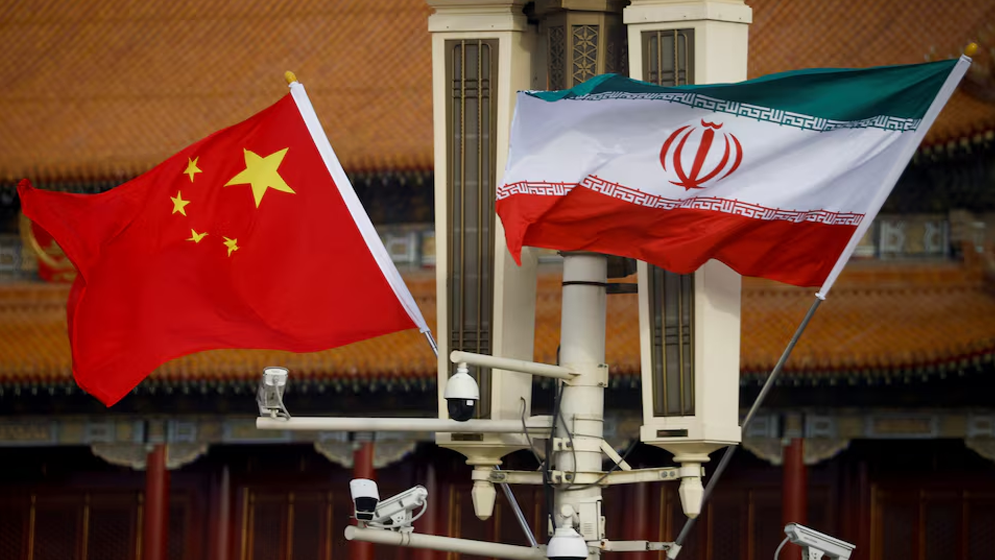
Iran is set to acquire Chinese-made shoulder-fired air defense missiles as part of efforts to strengthen its air defense capabilities following months of conflict with the United States and Israel, according to three sources familiar with the matter who spoke to Reuters.
The sources said the deal is valued at between $60 million and $70 million and covers the purchase of 300 to 400 man-portable air-defense systems (MANPADS), including China’s QW-12 and FN-16 missile systems. They added that the agreement was reportedly arranged through a Hong Kong-based company, Zhongxing Baoshang International Investment.
China’s Foreign Ministry has denied the report, calling it “completely unfounded.” In a statement, Beijing said it has consistently supported peace and efforts to end conflicts.
Iran’s Foreign Ministry has not commented on the report, while the company identified as the intermediary has also not responded to requests for comment.
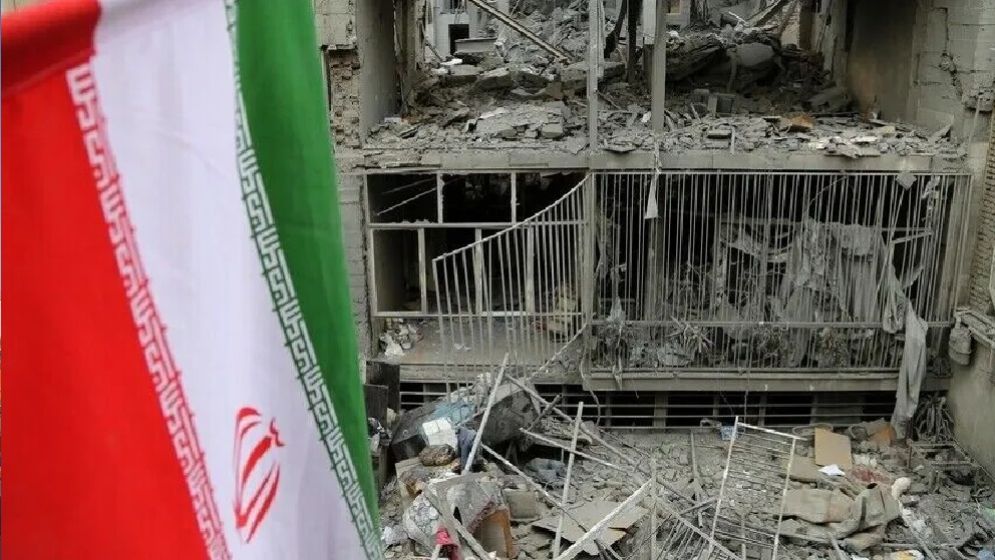
According to Reuters, Iran is seeking to rebuild parts of its air defense network after U.S. and Israeli strikes reportedly damaged facilities linked to its missile, drone, and air defense programs. Although Tehran responded with ballistic missile and drone attacks, the conflict exposed vulnerabilities in protecting its fixed military infrastructure.
The sources cautioned that the delivery schedule, shipment size, and other details of the agreement could still change before implementation.
Under the reported plan, the first shipment would be flown from Urumqi in western China before passing through Pakistan en route to Iran. It remains unclear whether the final leg of the journey would be completed by air or by land.
Pakistan’s military media wing, the Inter-Services Public Relations (ISPR), rejected reports that Islamabad would facilitate the transfer of Chinese air defense weapons to Iran, describing the claims as false and fabricated.
Military analysts note that MANPADS are highly mobile and can be operated by small teams, making them more difficult to target than fixed air defense systems. They are considered effective against drones, helicopters, and low-flying aircraft.
A European security source told Reuters that discussions involving the sale of several Chinese MANPADS variants—including the QW-12, QW-18, and QW-19—to Iran have been underway. Another Middle East security source said Iran had shown particular interest in the QW-12 and QW-18 systems but was unaware whether a final agreement had been reached.
Reuters also cited Western intelligence sources and an Iranian official as saying that China and Iran have explored using overland routes to transport military equipment and dual-use materials discreetly.
In a previous report, Reuters said Iran had also been close to reaching a separate agreement to purchase Chinese anti-ship cruise missiles, although it remains unclear whether that deal was ever finalized.