
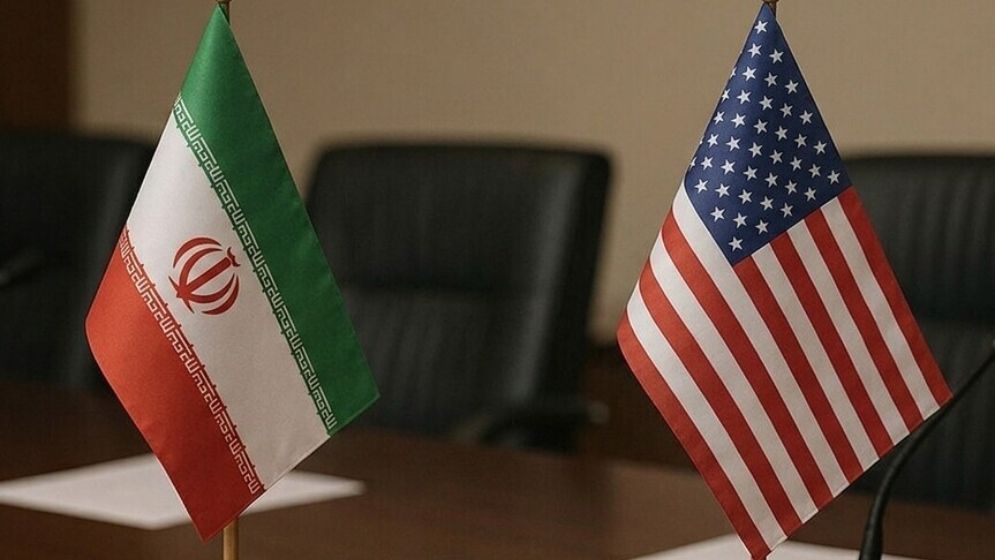
TEHRAN — A landmark memorandum of understanding between Iran and the United States has ignited a fierce political struggle within Tehran, exposing deep divisions between the country’s moderate administration and its entrenched hardline factions.
The deal, brokered through the mediation of Pakistan, Qatar, and other nations, has faced immediate scrutiny following Supreme Leader Mojtaba Khamenei’s guarded approval. While President Masoud Pezeshkian has hailed the agreement as a “historic document” that signals a strong and sovereign Iran, hardliners argue that the administration is yielding too much to Washington.
The Supreme Leader’s Stance
In a brief statement released on June 18, Supreme Leader Mojtaba Khamenei expressed personal reservations, noting that he had “differing opinions” on the deal. However, he confirmed that he granted authorization only after Pezeshkian, in his capacity as head of the Supreme National Security Council, took full responsibility. Khamenei underscored that the upcoming direct talks do not signify an acceptance of the “enemy’s position,” and imposed a condition requiring a three-quarter majority approval from the security council, including military commanders.
The Political Divide
The Moderate Camp: President Pezeshkian and Parliament Speaker Mohammad Bagher Ghalibaf are framing the deal as a diplomatic victory that leverages war-time gains at the negotiating table. Ghalibaf, presenting himself as a “post-war economic commander,” acknowledged that this is only the beginning of a “difficult and winding path.”
The Hardline Opposition: Ultra-conservative factions are calling for the full reopening of Parliament to block any concessions. Representatives from cities like Qom have openly expressed concern that the Supreme Leader is being “left alone” to face the threat of U.S. influence. Meanwhile, influential figures like Ayatollah Ahmad Alamolhoda in Mashhad have declared that the “fight against Washington is not over.”
Strategic Concerns
The controversy is further fueled by the demands of the “Resistance Axis” and the skepticism of Israeli political parties, who view the deal as an attempt to weaken Tehran’s regional influence. Domestic critics in Iran remain deeply suspicious of U.S. intentions, with many demanding that negotiators prioritize the control of the Strait of Hormuz. As the debate rages in newspapers and social media, the consensus remains fragile, with the Iranian public and political elite waiting to see if this “peace” will hold or collapse under the pressure of mutual distrust.