

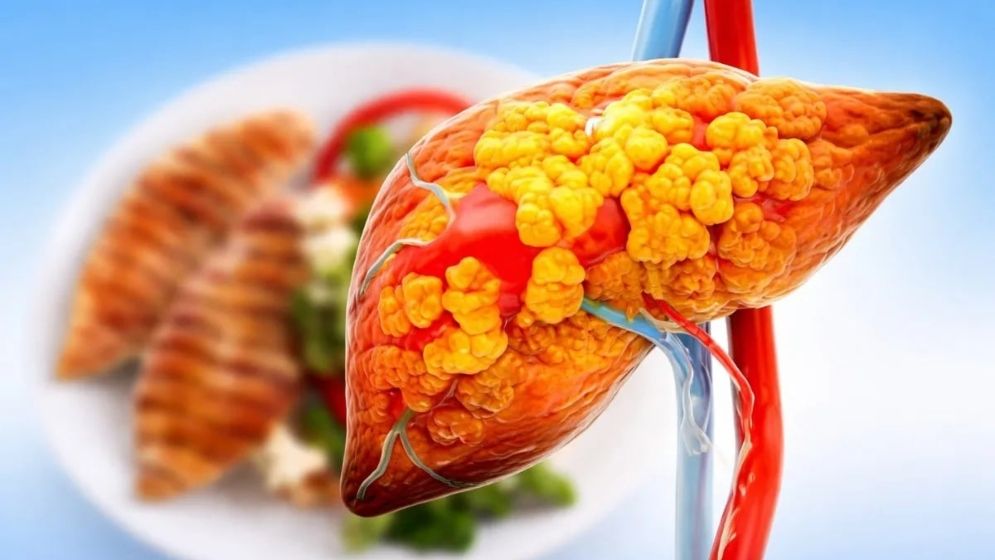
Health experts emphasize that managing fatty liver disease goes beyond choosing the right ingredients; the method of preparation is equally vital to liver health.
While a balanced diet is the cornerstone of fatty liver recovery, certain nutrient-rich foods can inadvertently place undue stress on the liver if consumed raw. Improper preparation can lead to bacterial infections or the ingestion of anti-nutrients that exacerbate liver inflammation.
To safeguard your liver, here are five foods you should avoid eating raw:
1. Unpasteurized Milk and Cheese
Consuming raw milk or unpasteurized cheese poses a significant health risk. Without proper heat treatment or storage, these products can harbor harmful bacteria that may lead to infections, further compromising liver function. Nutritionists recommend always boiling milk and ensuring cheese is properly cooked or pasteurized.
2. Certain Leafy Greens
While vegetables are essential, many leafy greens—such as spinach—contain oxalates. When eaten raw or undercooked, these compounds can be difficult to digest and may increase the metabolic load on the liver. Cooking these greens thoroughly helps neutralize these elements and aids digestion.
3. Legumes and Lentils
Raw chickpeas and lentils are often used in salads or “chaat,” but they contain lectins and anti-nutrients. These substances can interfere with nutrient absorption and potentially trigger liver inflammation. Experts advise soaking them thoroughly and cooking them well before consumption.
4. Eggs
The risk of Salmonella remains a primary concern with raw or undercooked eggs. For individuals managing fatty liver, an infection can lead to severe complications. To ensure safety, eggs should always be boiled or cooked until both the white and yolk are firm.
5. Raw or Undercooked Meat
Processed meats are a known “no-go” for fatty liver patients, but undercooked home-cooked meat is equally risky. Bacteria found in raw meat can have a direct negative impact on liver health. Ensuring meat is cooked to the proper internal temperature is essential.
The Bottom Line
Managing fatty liver requires a holistic approach. Beyond cooking methods, regular physical activity and a structured balanced diet remain the most effective tools for long-term liver recovery.