
The Trump administration’s negotiations with Russia over ending the war in Ukraine have expanded to include a potential multibillion-dollar oil deal involving Russian energy giant Lukoil, according to a report by The New York Times. The proposed transaction could benefit Middle Eastern business groups with ties to U.S. negotiators Steve Witkoff and Jared Kushner.
The deal, which would require approval from both the U.S. government and the Kremlin, reportedly covers Lukoil’s extensive international portfolio of oil fields, refineries and gas stations.
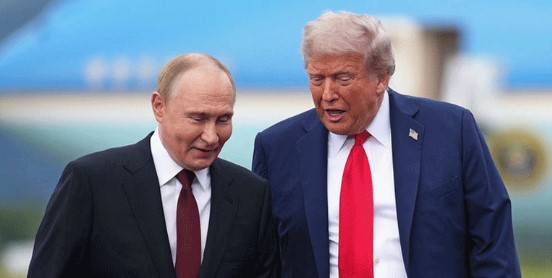
According to people familiar with the discussions cited by The New York Times, Russian President Vladimir Putin raised the proposal during a September 5 meeting at the Kremlin with Witkoff and Kushner. Putin reportedly presented the transaction as a potential way to demonstrate that Russia and the United States could resume doing business.
The group pursuing the proposed acquisition reportedly includes U.S. investor and billionaire Todd Boehly, two Middle Eastern investment groups that have previously done business with Kushner or members of Witkoff’s family, as well as a U.S. government agency.
The proposed arrangement has raised questions about potential conflicts of interest because of the business connections involving people close to the U.S. negotiators. However, reporting on the proposal has not established that Witkoff or Kushner would personally profit from the transaction.
The talks have reportedly continued for several months and reflect the Trump administration’s broader effort to restore economic ties with Moscow as part of its push to end the Ukraine conflict.
A senior U.S. administration official cited in the reporting said Witkoff and Kushner are helping negotiate the financial terms of the proposed transaction, with the stated aim of securing a substantial upfront payment and profits for the United States.
The potential deal would also require Washington to address sanctions affecting Lukoil’s assets. Any transaction would therefore depend not only on commercial negotiations but also on U.S. regulatory and sanctions decisions, as well as approval from the Kremlin.
The White House, U.S. Treasury Department and Lukoil did not respond to requests for comment, according to Reuters.
The reported oil negotiations add an important economic dimension to the broader U.S.-Russia discussions over Ukraine, linking potential peace efforts with the possibility of renewed commercial relations between Washington and Moscow.