
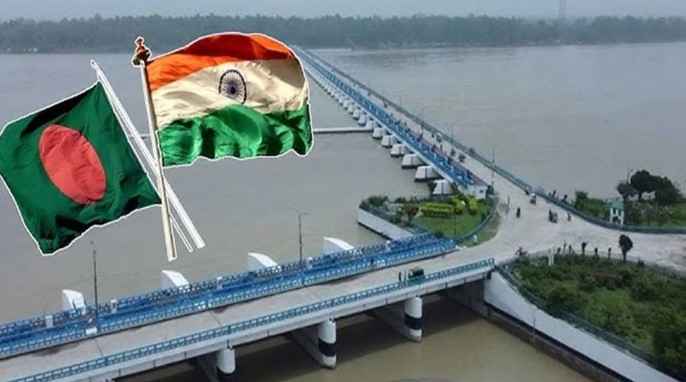
West Bengal has urged India’s central government to ensure that the state’s water, industrial and port-related interests are adequately protected when the Ganges water-sharing agreement with Bangladesh is renewed.
The 30-year treaty, signed by India and Bangladesh in 1996, is scheduled to expire in December this year. According to a senior state government official cited by PTI, West Bengal representatives recently raised their concerns during a meeting of an internal committee under India’s Ministry of Jal Shakti.
The state has also submitted a detailed assessment outlining its requirements for Ganges water, particularly for agriculture and industrial activities.
Dry-season water flow a major concern
West Bengal’s primary concern is maintaining sufficient water flow into the Bhagirathi-Hooghly river system, especially during the dry season.
A state official said any renewed agreement should adequately safeguard West Bengal’s legitimate water requirements. According to the state, adequate dry-season flow is important not only for water supply and irrigation but also for maintaining the navigability of the Hooghly River.
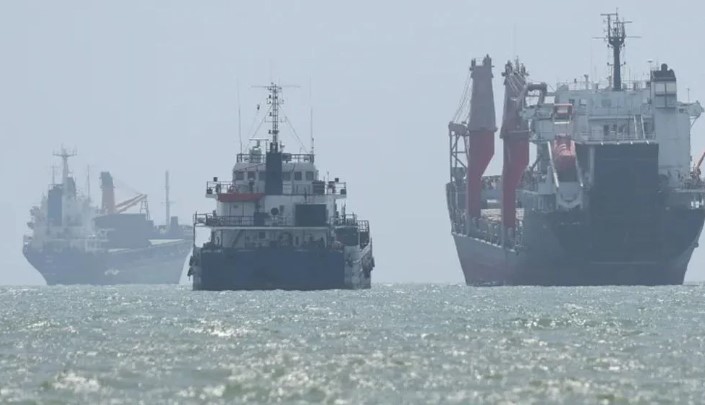
Reduced water flow and increased sediment accumulation have reportedly created challenges for river navigation and port operations.
Impact on riverside districts and ports
West Bengal has also highlighted recurring riverbank erosion affecting large areas of Malda, Murshidabad and Nadia districts, both upstream and downstream of the Farakka Barrage.
Officials argue that lower river flows combined with heavy sedimentation are affecting the wider river system and could have consequences for navigation and port infrastructure.
The accumulation of silt has also been linked to repeated flooding in some areas. State officials say sediment-related problems can affect shipping operations at Syama Prasad Mookerjee Port in Kolkata, making the issue relevant to the state’s broader economic interests.
Groundwater and arsenic concerns
The state government has additionally raised concerns about declining groundwater levels and the growing risk of arsenic contamination.
Officials say dependence on Ganges water is increasing in West Bengal, including for treated drinking water, irrigation and certain industrial activities.
The state therefore wants future negotiations to take into account not only existing water requirements but also rising demand, environmental concerns and the long-term health of the river system.
Treaty renewal could become a key issue
The Ganges water-sharing agreement, signed in 1996, governs the allocation of Ganges water between India and Bangladesh and is due to expire in December 2026.
As discussions over its renewal approach, West Bengal is seeking greater consideration of dry-season water availability, river erosion, sedimentation, navigation, port operations and environmental risks.
The state’s position could become an important factor in India’s negotiations with Bangladesh as both sides consider the terms of a future water-sharing arrangement.