

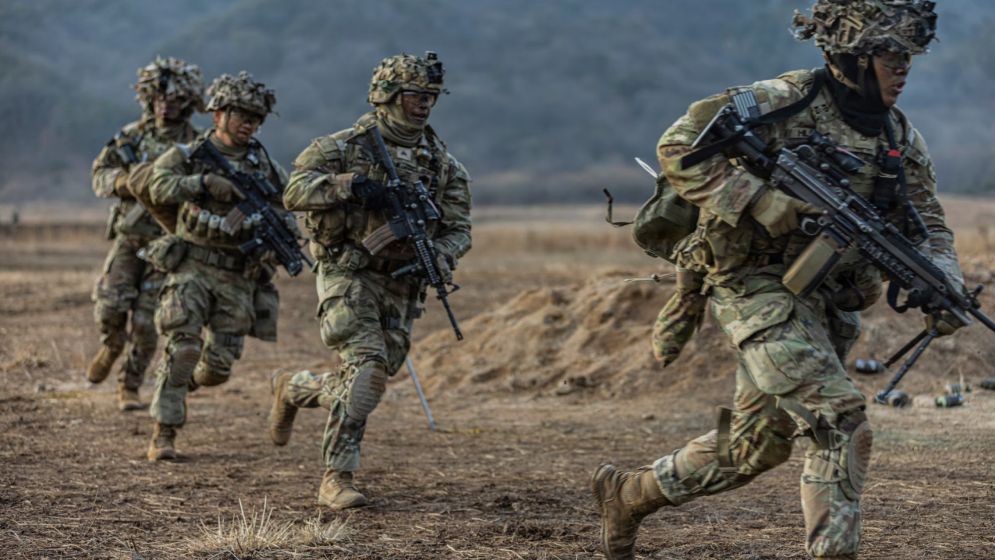
The U.S. Department of Defense has announced that active-duty and reserve service members aged **30 and older** will now undergo **annual testosterone deficiency screening** as part of their routine medical examinations.
The initiative, announced by **Defense Secretary Pete Hegseth**, aims to improve soldiers’ physical readiness and long-term health.
Why the Pentagon Is Introducing the Policy
According to Hegseth, maintaining adequate testosterone levels is important for ensuring that military personnel can perform at their highest level.
In a video message posted on X, he said the program is designed to ensure troops have the hormonal health needed to meet the physical demands of military service.
Hormone Therapy Will Be Voluntary
Under the new policy:
* Service members aged **30 and above** will receive testosterone screening during their annual health checkups.
Those found to have low testosterone levels will be offered **voluntary Hormone Replacement Therapy (HRT).
For personnel under 30, testosterone testing will remain optional.
Pentagon’s Goal
Pentagon spokesperson **Sean Parnell** said the policy takes effect immediately.
According to him, the program will help the Defense Department:
* Build a comprehensive health database for military personnel.
* Identify hormone deficiencies early.
* Provide targeted medical treatment when appropriate.
* Maintain a healthier, more capable, and combat-ready force.
Questions About Female Service Members
The Pentagon has not clarified whether:
* Female service members will also undergo hormone testing.
* Estrogen-based treatment will be offered to women experiencing age-related hormonal changes.
Mixed Political Reactions
The announcement has generated differing reactions in Washington.
Democratic Senator Tammy Duckworth, an Iraq War veteran, supports hormone testing for both male and female service members.
Representative Chrissy Houlahan criticized the initiative, describing it as another controversial step in the country’s ongoing “culture war.”
What Medical Experts Say
Dr. **Mohit Khera**, Professor of Urology at Baylor College of Medicine, said testosterone screening can be valuable for men over 30 because low testosterone may reduce:
* Muscle strength.
* Physical performance.
* Energy levels.
* Mental well-being.
These factors can directly affect military readiness.
However, he cautioned that **hormone therapy should not be prescribed solely based on laboratory results** if a person has no symptoms.
Benefits and Risks of Testosterone Therapy
Experts say testosterone replacement therapy may provide several benefits, including:
* Increased muscle mass and strength.
* Reduced body fat.
* Improved bone density.
* Lower risk of depression in some patients.
However, the treatment is **not suitable for everyone**.
Potential risks include:
* Reduced fertility, especially in younger men.
* A possible increase in cardiovascular risks in certain individuals.
* Other side effects that require medical supervision.
Broader Context
The announcement comes as **U.S. Health Secretary Robert F. Kennedy Jr.** has advocated making testosterone-based treatments more accessible for men.
At the same time, the **U.S. Food and Drug Administration (FDA)** has proposed easing certain restrictions on testosterone therapy, signaling a broader shift in how hormone treatments may be managed in the United States.