
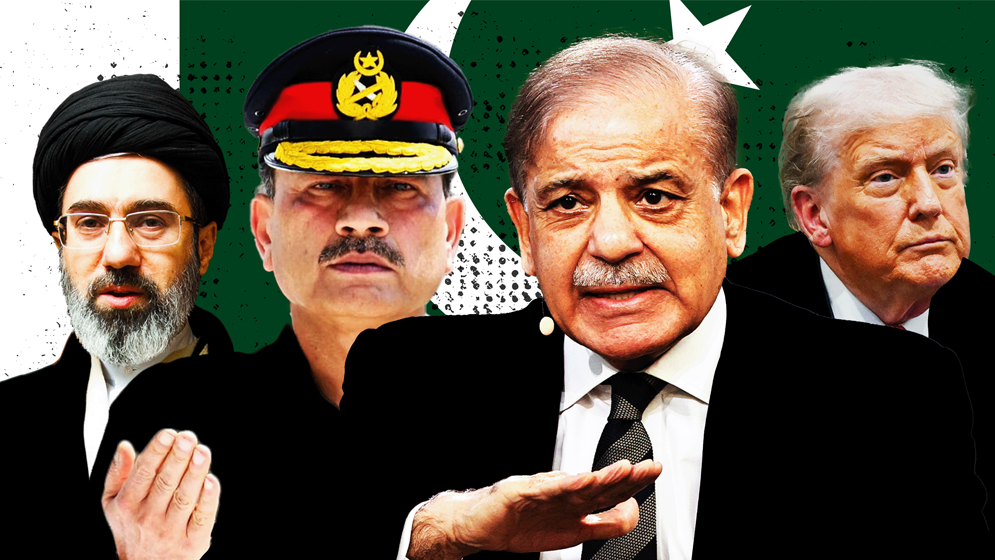
Pakistan’s efforts to help ease tensions between Iran and the United States have largely stalled as renewed military confrontation between the two countries overshadows recent diplomatic initiatives.
According to diplomatic sources, the Islamabad Memorandum of Understanding (MoU), once viewed as a potential framework for encouraging dialogue between Washington and Tehran, has effectively lost momentum. With missile exchanges resuming across the Gulf region and neither side showing signs of returning to negotiations, Islamabad has shifted to what officials describe as a strategy of “closely monitoring the situation.”
From the outset, Pakistan maintained that decades of mistrust between Iran and the United States could not be resolved through a single agreement or a handful of meetings. Instead, its objective was to create a political environment conducive to dialogue while helping prevent rising tensions from escalating into a broader regional conflict.
Recent developments, however, have significantly undermined those efforts. Pakistani foreign policy officials believe months of diplomatic engagement have been overtaken by renewed military escalation, reducing the prospects for immediate negotiations.
Following the signing of the Islamabad MoU, Pakistan and Qatar had repeatedly stepped in whenever tensions flared, seeking to keep diplomatic channels open. After talks in Switzerland, the two sides reportedly agreed to return to a ceasefire following limited exchanges, while indirect discussions in Doha also laid the groundwork for technical-level negotiations after the funeral of Iran’s former Supreme Leader, Ayatollah Ali Khamenei.
Those plans were overtaken by events as the security situation deteriorated before the proposed talks could resume. The subsequent escalation further hardened positions in both Tehran and Washington, with military operations intensifying and diplomatic engagement taking a back seat.
Against that backdrop, Pakistan has become noticeably less visible in its mediation efforts. While senior Pakistani officials continue to maintain contact with Iran and other regional partners, active shuttle diplomacy has slowed considerably.
Regional analysts say the change reflects strategic caution rather than a withdrawal from mediation. Islamabad believes it invested considerable diplomatic capital in facilitating dialogue, but both Washington and Tehran are currently placing greater emphasis on military calculations than political negotiations.
Pakistani officials reportedly assess that no external mediation is likely to succeed as long as both sides believe they can improve their strategic position through military pressure.
A diplomat from a regional country, speaking on condition of anonymity, said both parties appear determined to test whether military action can achieve objectives that diplomacy has failed to deliver. According to the diplomat, meaningful negotiations are more likely to resume once both sides conclude that continued conflict cannot produce a lasting solution.
Despite the current slowdown, Pakistan has not abandoned its role entirely. Diplomatic observers point to Iranian Foreign Minister Abbas Araghchi’s recent visit to Doha as a sign that communication channels remain open, with Pakistan and Qatar continuing to engage both Tehran and Washington.
For now, Islamabad appears content to wait. Pakistani officials believe meaningful mediation will only become possible when both sides decide that further military escalation offers diminishing strategic returns. Until then, Pakistan is expected to prioritize quiet diplomacy and strategic patience over high-profile mediation efforts.