

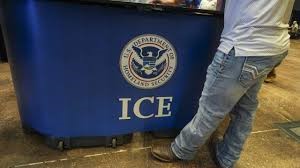
For years, when questions arose about questionable asylum applications, it was usually the immigrants themselves who faced the consequences. They were detained, placed in removal proceedings, or forced to defend themselves against allegations of fraud. This week, however, the spotlight shifted dramatically. For the first time in the agency’s history, U.S. Immigration and Customs Enforcement (ICE) has moved directly against an immigration attorney.
On Tuesday, ICE announced that it had issued a notice of intent to fine immigration lawyer Vinod Doddamani, accusing him of filing fraudulent asylum applications. According to federal officials, this marks the first time the agency has pursued civil penalties against an attorney for this type of conduct.
The scale of the allegations is striking. Homeland Security Investigations has issued five separate penalty notices, alleging that Doddamani submitted 64 fraudulent documents in connection with 32 immigration cases. If the allegations are sustained, he could face
penalties totaling approximately $250,000.
What makes the case particularly troubling is the nature of the alleged fraud. According to the Department of Homeland Security, many of the asylum applications contained nearly identical narratives, descriptions of persecution, and supporting details. Investigators claim the filings resembled a template that was repeatedly recycled, with little more than the applicants’ names changed from one case to the next.
The attorney at the center of the case is hardly an inexperienced practitioner. Born in India and holding German citizenship, Doddamani has practiced immigration law in South Florida since 2009. He studied at Purdue University and Chapman Law School, speaks multiple languages, and has previously worked as a consultant for major corporations, including
Credit Suisse and Sony Pictures. Given that background, the allegations have raised serious questions throughout the immigration legal community.
According to DHS General Counsel James Percival, fraudulent asylum claims do more than violate immigration laws. They also burden an already overwhelmed system, consume limited government resources, and delay the adjudication of legitimate cases.
Yet the story also highlights a broader concern.
Immigration law is one of the most complex areas of American law. Many immigrants navigate the system with limited English proficiency, little understanding of legal procedures, and enormous anxiety about their future. In such circumstances, they often place tremendous trust in attorneys and immigration consultants. When that trust is abused, the consequences can be devastating.
For immigrant communities, including Bangladeshi Americans across New York, New Jersey, Texas, and other states, the case serves as a cautionary reminder. Thousands of immigrants are currently pursuing asylum, permanent residency, citizenship, or other forms of immigration relief. The lesson is simple: understand every document before signing
it. Ask questions. Demand explanations. Never assume that a promised shortcut is a safe path.
A fraudulent filing may appear to offer a quick solution today, but it can create life-altering consequences tomorrow.
ICE officials have indicated that this enforcement action is unlikely to be an isolated case. The agency has recently directed its attorneys to make greater use of penalties against individuals who facilitate fraudulent immigration filings. By all indications, Doddamani may be the first target of a broader crackdown.
The American immigration system has long struggled with questions of efficiency, fairness, and integrity. Whatever the ultimate outcome of this case, it sends a clear message: federal authorities are increasingly willing to hold not only applicants accountable, but also
the professionals who prepare and submit immigration claims on their behalf.
And when trust is the foundation of the attorney-client relationship, the damage caused by alleged fraud extends far beyond a single case. It affects entire communities, undermines confidence in the legal system, and makes the path harder for those whose claims are genuine.