

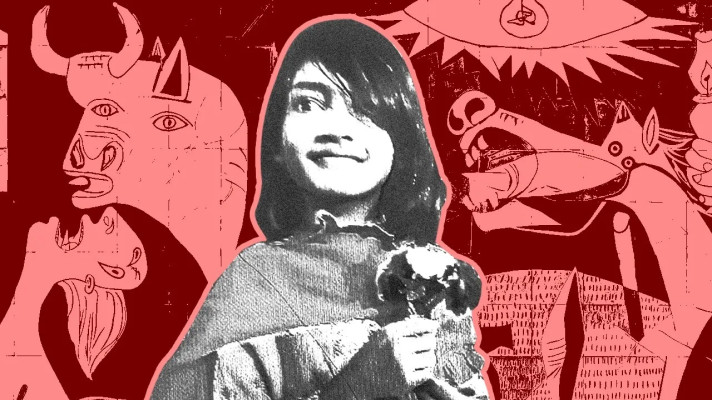
In Bangladesh today, one of the most terrifying words is “rape.” Because it is no longer an isolated crime; it is gradually becoming a brutal reflection of our social reality. Every incident of rape is not merely a criminal case—it is evidence of the failure of state security systems, the moral decay of society, and a deep crisis of human conscience.
The horrific violence committed against young Ramisa Akter in Pallabi, Dhaka, once again exposed this terrifying reality. A child whose world should have been limited to schoolbags, crayons, and holding her mother’s hand while crossing the street was instead forced to witness humanity in its most monstrous form before her death. This was not just the death of a child; it was an attack on the conscience of our civilization itself.
We have reached a point where children are unsafe not only on the streets, but even inside their own homes. Elevators, staircases, neighbors, caretakers, familiar faces—everything is now becoming a potential source of fear. The most horrifying truth is that society is slowly learning to coexist with this violence. News of rape, child murder, and abuse may shock people temporarily, but very quickly they become just another “scrollable headline.” A few hours of outrage, some social media posts, and then silence again.
And this silence is the greatest strength of the perpetrators.
An analysis of reports from human rights organizations, law enforcement agencies, and media outlets between 2025 and 2026 shows an alarming rise in sexual violence against women and children in Bangladesh. Even more disturbing is the fact that in most cases, the accused are known to the victims—relatives, neighbors, residents of the same building, or family friends. In other words, the darkness within society has now broken through the doors of our homes.
Many rape cases in Bangladesh never even reach the courts. Social stigma, pressure from influential individuals, political power, lengthy legal processes, and fear force countless families into silence. Even when cases are filed, they often remain unresolved for years. This culture of impunity has created a dangerous sense of confidence among criminals. They believe that, with time, everything will eventually be forgotten.
Sexual violence against children is especially alarming because children do not know how to defend themselves, understand the law, or even express fear properly. In many cases, families themselves fail to realize that a child has been abused, giving perpetrators even greater opportunities.
We often view rape merely as a “sexual crime.” But in reality, it is a manifestation of power, psychological distortion, violence, and moral collapse. Several social factors contribute to this crisis.
First, there is the culture of impunity. Like many other crimes in Bangladesh, rape cases rarely receive swift justice, reducing fear among offenders. Second, the spread of drugs and online gambling. According to criminologists, long-term drug addiction and criminal lifestyles destroy empathy and self-control. In Ramisa’s case, the accused reportedly had a history of drug abuse, gambling, and antisocial behavior. Yet society failed to stop him.
Third, there is the long-standing social tendency to view women as objects. Parts of society still fail to see women and children as complete human beings, instead seeing them as vulnerable bodies. Toxic patriarchy, violent entertainment, the unchecked spread of pornography, and unhealthy social culture continue to reinforce these distorted attitudes.
We celebrate technological advancement, but we avoid discussing the darkness growing within people. We talk about development, yet ignore moral decline. But education without morality does not enlighten a person—it can sometimes make them even more dangerous. An uneducated beast may be frightening, but a person without morality is far more terrifying.
There is much Bangladesh can learn from the justice systems of developed countries. In the United Kingdom, rape is treated as an extremely serious crime. The concept of “consent” is strictly defined. Fear, coercion, intoxication, or being underage can never be considered consent. Laws protecting children are even stricter. Sex offenders are often subjected to long-term monitoring, national databases, and in some cases lifelong social restrictions.
Bangladesh, too, must now adopt strict and effective reforms. First, rape investigations and trials must be completed quickly through special tribunals and fixed legal timeframes. Second, a national sex offender database should be created to identify repeat offenders. Third, every police station should establish specially trained units for women and child protection. Residential buildings should also be required to conduct tenant verification, install CCTV systems, and maintain security records.
However, laws alone cannot solve this crisis. What is equally necessary is social and cultural renewal. Families must build more open relationships with children. Schools should make lessons on “good touch and bad touch,” self-defense, and sexual awareness mandatory. Religious, cultural, and social leaders must play more active roles in ensuring the safety of women and children.
Most importantly, society must abandon the culture of hiding crimes. Concealing abuse in the name of protecting “family honor” only empowers criminals further. Every citizen must understand that child safety is not just the responsibility of one family—it is the responsibility of the entire society.
Today, Ramisa is gone. But her blood-stained silence leaves a haunting question hanging on every wall, every dark staircase, and every residential corridor:
If a child is not safe even inside her own home, then what kind of civilization are we claiming to be?
Civilization is not defined by flyovers, metro rail systems, or towering buildings. A society becomes truly civilized only when its most vulnerable people can live in safety.