
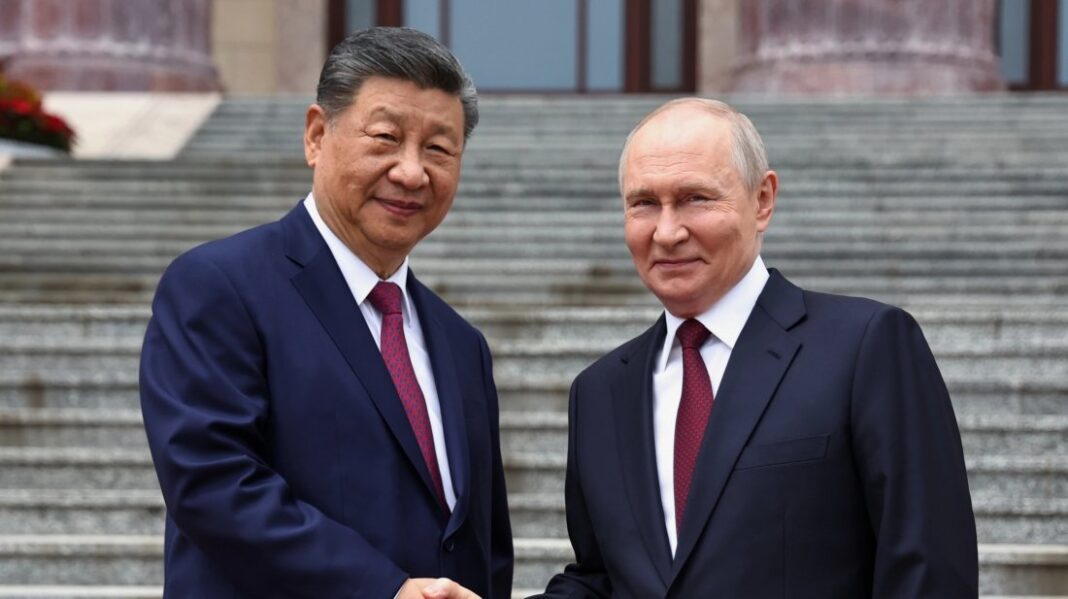
BEIJING — Chinese President Xi Jinping and his Russian counterpart, Vladimir Putin, have reaffirmed the strength of their “no-limits” partnership during a high-level summit in Beijing. Amidst shifting global alliances, the meeting underscored a robust strategic alignment between the two nations, which Xi has previously characterized as a model for modern international relations.
A Relationship at ‘Unprecedented Heights’
In a warm exchange at the Great Hall of the People, Putin addressed Xi as his “dear friend,” expressing satisfaction at their ongoing coordination. “Despite adverse external conditions, our relations have reached unprecedented heights,” Putin stated.
President Xi emphasized the importance of mutual political trust and strategic cooperation. Chinese state media reported that both leaders agreed to extend the landmark 2001 Treaty of Good-Neighborliness and Friendly Cooperation, a cornerstone of their bilateral relationship.
Energy as the Strategic Anchor
Economic cooperation remains the backbone of the Moscow-Beijing axis, with energy serving as the primary driver.
Export Growth: According to Kremlin aides, Russian oil exports to China surged by 35% in the first quarter of 2026. Russia has also solidified its position as one of China’s leading suppliers of natural gas.
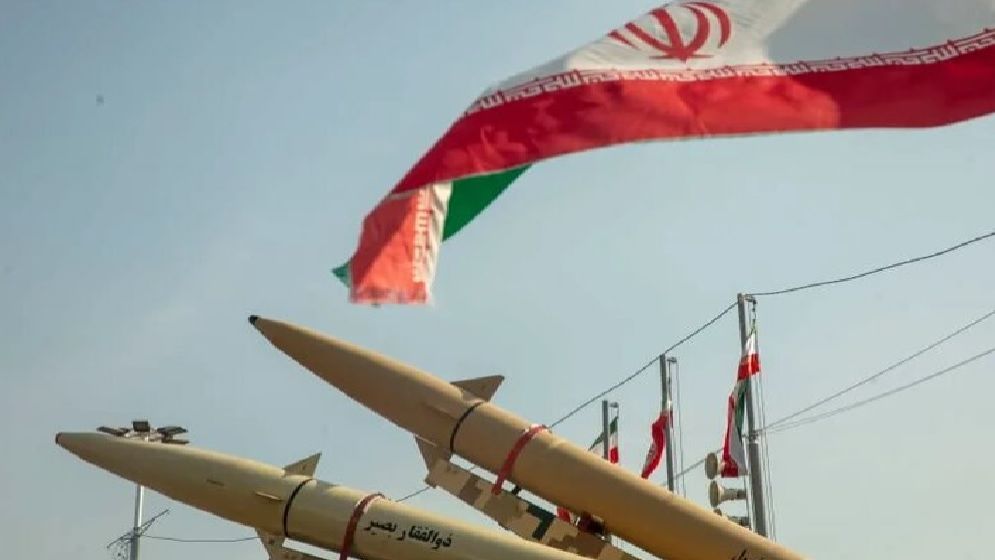
Market Stability: President Xi called for a comprehensive ceasefire in the Middle East, noting that regional stability is essential to protect international supply chains, industrial output, and global energy markets.
Geopolitical Signaling
The summit follows closely on the heels of U.S. President Donald Trump’s own visit to Beijing. Analysts suggest that the back-to-back state visits underscore China’s evolving role as a central mediator and global power broker. While Beijing officially maintains a neutral stance regarding the conflict in Ukraine, it has continued to bolster commercial ties with Moscow, effectively insulating Russia from the impact of Western sanctions.
While several cooperation agreements were slated for signature during Putin’s two-day visit, observers note that the primary objective of the summit was symbolic: to project a unified front against Western hegemony and assert the growing influence of the Beijing-Moscow alignment on the world stage.