
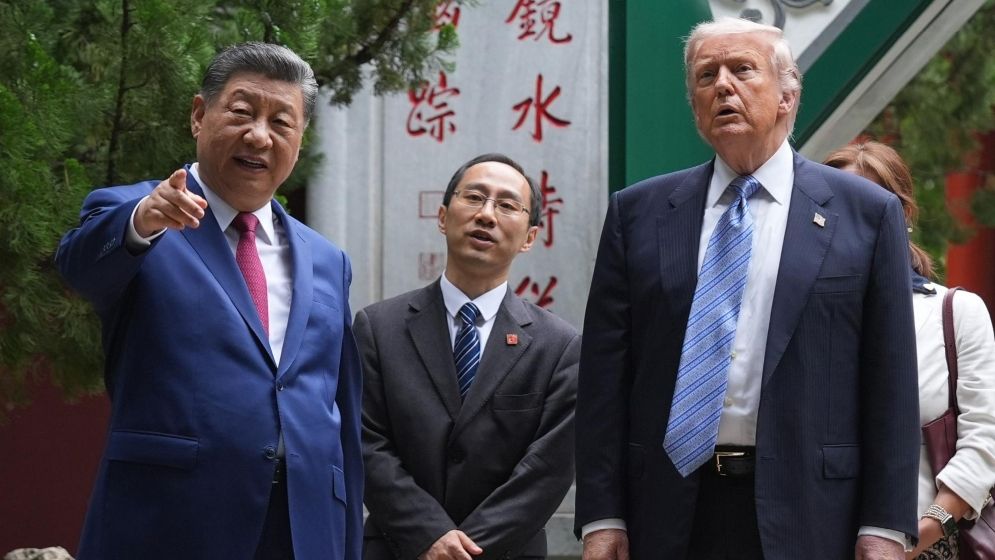
During a high profile summit in Beijing with US President Donald Trump, Chinese President Xi Jinping raised profound questions about the future of Sino American relations by asking whether both superpowers could successfully navigate the so called Thucydides Trap. Highlighting that the global geopolitical landscape is at a critical turning point, the Chinese leader emphasized the importance of forging a new era of major country relations rather than falling into historic pitfalls. The concept, rooted in the writings of ancient Greek historian Thucydides, posits that war becomes inevitable when a rising power inspires fear in an established dominant state. Modern political scientist Graham Allison later popularized the term, demonstrating that in 12 out of 16 historical instances where such a dynamic occurred, the result was a catastrophic military conflict.
The warning is part of a long standing diplomatic narrative for Xi, who has consistently raised the issue with global leaders and American officials over the past decade. From past addresses in Seattle to high level meetings with former US President Joe Biden and congressional delegates, the Chinese President has maintained that conflict is not a foregone conclusion, provided both nations avoid critical strategic miscalculations. Chinese diplomats have echoed this sentiment, calling for a path of peaceful coexistence and rejecting the notion that modern superpowers must repeat the tragic history of Athens and Sparta. Within Washington, the concept has also gained significant traction over the years, frequently analyzed by national security advisors, defense officials, and strategists across various administrations to understand the shifting global balance of power.
The invocation of this historical theory comes at a time when friction between Washington and Beijing continues to intensify across multiple fronts, including trade disputes, artificial intelligence dominance, and the Taiwan Strait. While some American political figures have favored a more confrontational stance to secure domestic strength and deter foreign competition, the Chinese leadership is using the historical analogy to signal the dangers of an unintended escalation. As bilateral friction shows no signs of abating, international analysts view the discussion around this geopolitical trap as a vital reminder of the high stakes involved, underscoring the urgent need for strategic communication to prevent current economic and technological rivalries from spiralling into an outright global confrontation.