

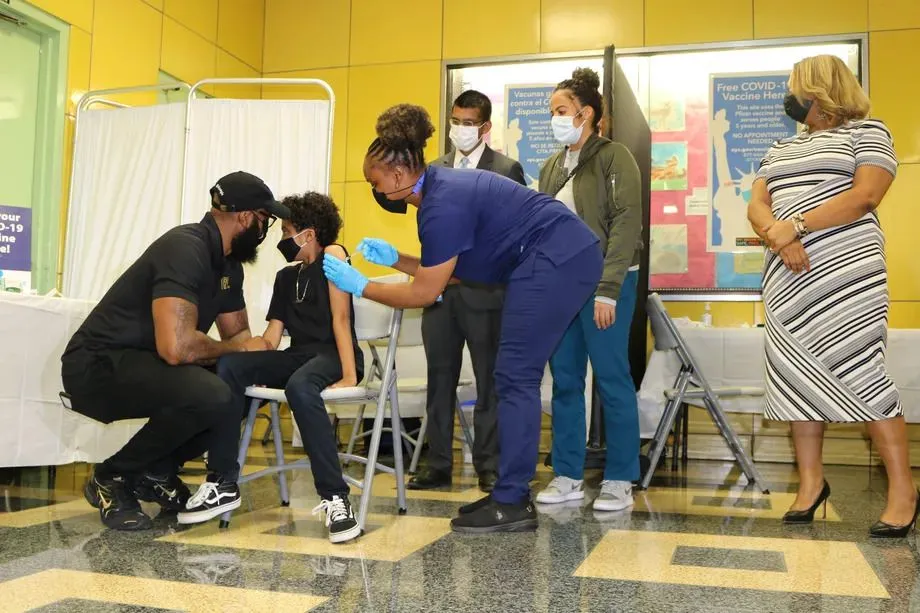
The New York City Council on Thursday approved a package of five bills aimed at improving public awareness vaccine safety and effectiveness, as childhood immunization rates in the city show signs of decline. The legislation focuses on making it easier for schools to share accurate vaccine information with parents and directs the New York City Department of Health and Mental Hygiene to develop a citywide education plan by the end of the year.
The bills will now go to Zohran Mamdani, who has 30 days to decide whether to sign them into law, veto them, or allow them to pass without a signature.
The move comes amid growing concern over vaccine misinformation at the national level, particularly linked to Robert F. Kennedy Jr. and his “Make America Healthy Again” movement, which critics say has contributed to confusion and declining public trust in vaccines. In response, local and state governments are stepping up efforts to promote accurate health information.
Although New York has historically maintained high vaccination rates, recent data suggests a troubling shift. In New York City, officials reported that about one-third of two-year-olds have not received all recommended doses of key vaccines, including those protecting against measles, polio, and hepatitis B.
In response, the city recently launched a $1 million multilingual campaign encouraging parents to vaccinate their children, targeting neighborhoods with lower immunization rates through TV, radio, print media, and transit advertising.
City Council Speaker Julie Menin warned that declining trust in science could have serious public health consequences. She pointed to a rise in preventable diseases such as measles, which has seen a resurgence across the United States, including a major outbreak in South Carolina.
Public health experts have welcomed the legislation. James Alwine, a virologist affiliated with the University of Pennsylvania and the University of Arizona, emphasized that vaccine messaging should be clear and simple, focusing on the real risks posed by preventable diseases rather than complex scientific explanations that may not resonate with the public.