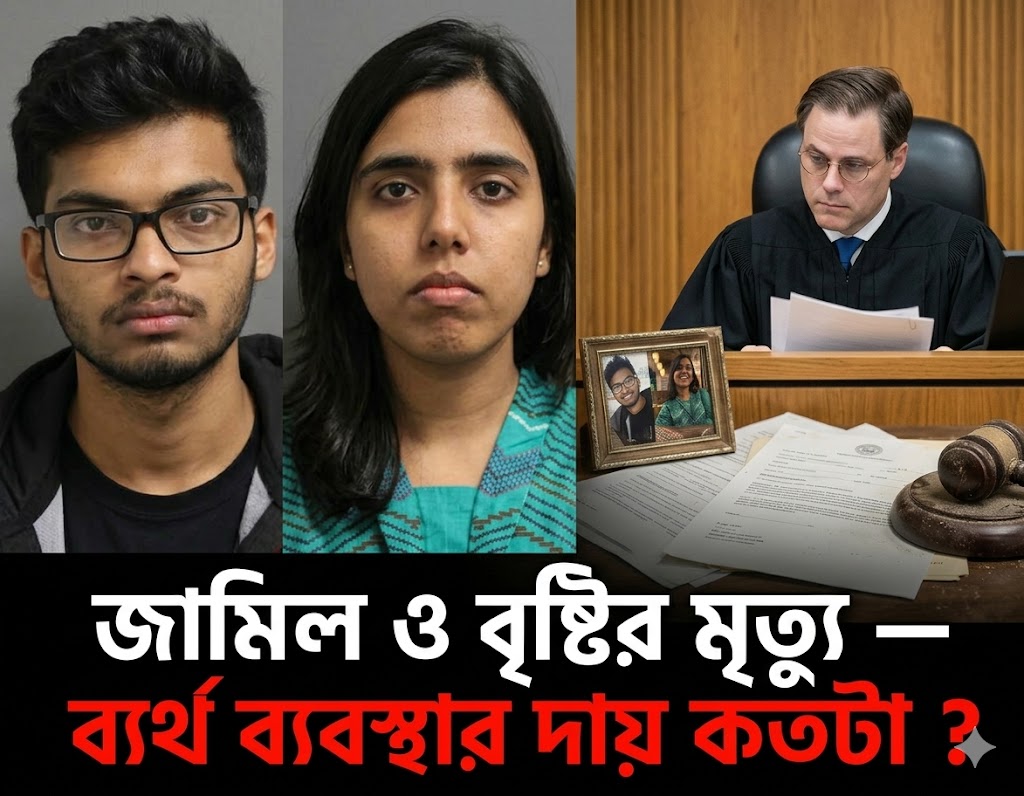

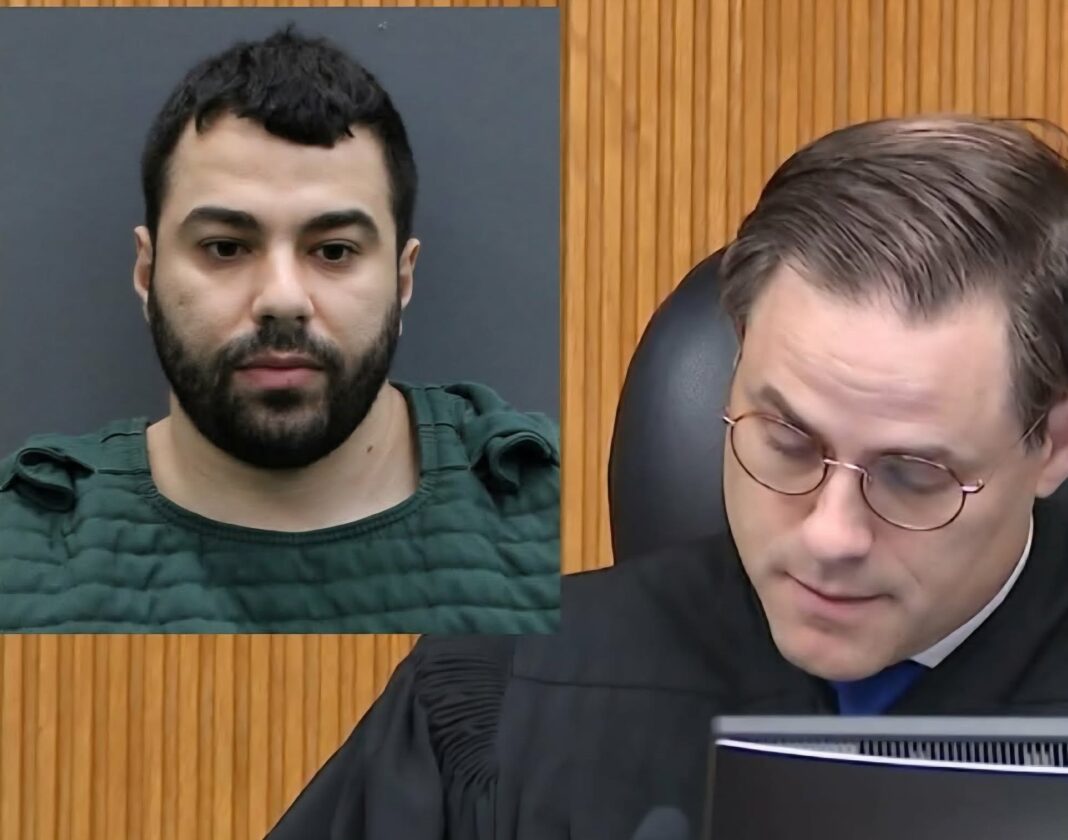
April 28, Tuesday: A Florida court on Tuesday morning denied bail for Hisham Saleh Abugharbieh, ordering that he remain in custody without bond. Abugharbieh is accused of two counts of premeditated first-degree murder in the killings of Jamil Limon and Nahida Sultana Brishti, both Bangladeshi PhD students at the University of South Florida. He did not appear physically in court for the hearing, having waived his right to be present.
During the hearing, prosecutors revealed new and disturbing details. Analysis of phone data shows that between 1:00 a.m. and 5:00 a.m. on April 17—hours after the victims were reported missing—Abugharbieh travelled to the Howard Frankland Bridge at least six times. Investigators believe he made multiple trips to dispose of the victims’ bodies and their belongings in the water, attempting to eliminate evidence in stages.
Prosecutors told the court that both victims were likely killed inside the apartment. Their bodies were then placed in trash bags and transported by vehicle to the bridge. Blood patterns found on the apartment carpet—including human-shaped stains and evidence of dragging and smearing—support this conclusion.
The State Attorney’s Office argued that Abugharbieh poses a “significant danger” to the community and must remain detained pending trial. The judge accepted that argument and denied bail. Suzy Lopez had earlier stated publicly that the accused is dangerous to society.
The case is currently in the early discovery phase. In addition to two counts of first-degree murder, Abugharbieh faces multiple other charges, including tampering with or destroying physical evidence, unlawful disposal of human remains, and failure to report deaths to law
enforcement or the medical examiner. Together, these charges form a strong legal case against him.
A key question now is whether prosecutors will seek the death penalty. Under Florida law, first-degree murder is a capital offense. However, prosecutors have not yet announced whether they will pursue capital punishment. That decision is expected in a later stage of the proceedings.
Abugharbieh is currently represented by a public defender, who stated that the defense is focused on ensuring a fair trial and will not comment publicly at this time.
Outside the courtroom, another issue has emerged. The victims’ families claim they had previously raised concerns about the roommate with an off-campus housing company, but those complaints were ignored. They argue that proper action at the time might have prevented the tragedy. This claim may now lead to separate legal questions regarding the
housing provider’s responsibility.
The court has scheduled a status conference to determine the next steps. As the discovery process continues, more evidence is expected to surface, including data from the suspect’s laptop, full phone location history, Amazon purchase records, and details surrounding a duplicate key reportedly used at 9:41 p.m.
Meanwhile, the families of the victims in Bangladesh remain in deep grief. One of the bodies recovered on April 26 is believed to be that of Brishti, but official identification by the medical examiner is still pending. The families are awaiting confirmation.
The Bangladeshi community, both in the United States and abroad, is united in demanding justice. Each hearing, each piece of evidence, and each new detail now represents another step toward accountability for the loss of two young lives.