
Pakistan no longer has many easy economic options left. Years of debt pressure, weak investment, and repeated balance-of-payments crises have pushed the country into a cycle of short recoveries followed by renewed constraints. This is why renewed focus on the minerals sector is significant. Beneath the surface lies genuine potential, but also a familiar danger. Pakistan has often exported raw or minimally processed goods and then questioned why returns remain low. The same pattern now threatens the minerals sector. If the country limits itself to extraction and export, it risks repeating an old mistake in a new domain. The broader context, reflected in trade data and State Bank growth reports, is clear: Pakistan needs sustainable sources of foreign exchange, not another brief wave of optimism.
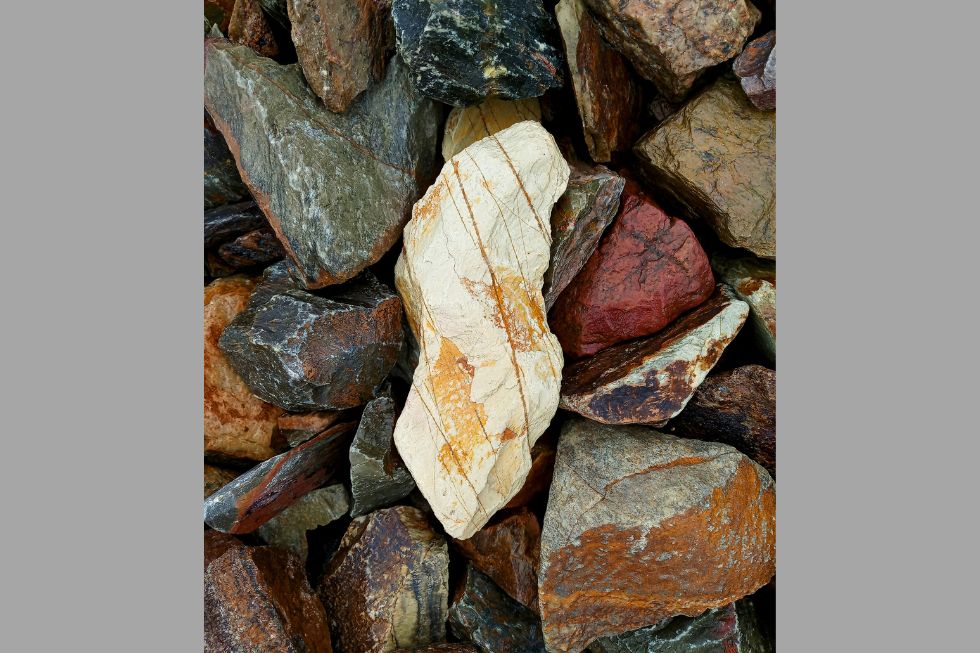
Pakistan’s resource base is considerable. The Ministry of Energy’s official yearbook has long listed copper, gold, coal, iron ore, chromite, limestone, marble, gypsum, and gemstones. However, resources on paper do not automatically translate into economic value. There is a political tendency to highlight large figures at investment forums and treat them as guaranteed future income.
Serious investors take a different approach. They require certified reserves, detailed technical studies, water availability, reliable power, transport infrastructure, stable taxation, and credible dispute resolution mechanisms. This is why the updated feasibility study for Reko Diq, along with its technical documentation and International Finance Corporation disclosures, carry more weight than broad claims about underground wealth. These elements shift the discussion from speculation to practical investment.
Reko Diq as a test of governance
Reko Diq stands as the clearest example of this transition. If Pakistan can keep the project on course, uphold contractual commitments, and maintain public trust, it could reshape the country’s export structure for decades. Barrick Gold Corporation’s target to begin production by 2028 is important, but the institutional lessons matter even more. Pakistan has already paid a high price due to past legal disputes over this project. A successful outcome would demonstrate the country’s ability to manage long-term investments without turning disagreements into national crises. It would also test whether environmental and community safeguards are implemented in substance rather than symbolism. In an era shaped by critical minerals demand and climate-conscious mining, governance is not secondary—it directly affects value.
Thar coal offers a more complex lesson. The project highlighted the risks of overreliance on imported fuel and underuse of domestic resources. Sindh Engro Coal Mining Company (SECMC) argues that local coal has helped reduce import dependence and expand domestic energy capacity—an important achievement in a country facing persistent energy insecurity. However, this is only part of the picture. Coal may provide temporary relief, but it cannot define a long-term path in a world of tighter environmental standards, limited climate financing, and growing demand for cleaner supply chains. Pakistan’s current export profile, still dominated by low-value ores and related products, underscores how limited value addition remains. Import substitution can ease pressure in the short term, but it does not build a competitive industrial economy.
The real opportunity lies beyond extraction
This is why Pakistan must stop equating mining with development. The real gains lie further along the value chain: processing, refining, smelting, cutting, certification, engineering services, logistics, and specialized manufacturing linked to copper, industrial minerals, and gemstones. Achieving this requires improved geological data, transparent licensing, dependable electricity, water management, transport networks, and skilled workforce development. Just as importantly, it requires rules that are consistently enforced and widely trusted.
While Pakistan already has environmental regulations, implementation remains uneven—especially when local communities feel excluded or provincial interests are overlooked. In Balochistan, the issue goes beyond resource extraction. It includes job creation, fair royalty distribution, access to clean water, and environmental accountability. Without local support, any mining expansion will remain politically fragile, regardless of how promising reserve estimates appear in official presentations.
Pakistan should view its minerals sector as a stepping stone toward a more competitive economy, not a replacement for broader reform. Structural improvements in taxation, export diversification, energy systems, and the business environment are still essential. Minerals can support this transition, but only if policymakers avoid two key pitfalls. The first is illusion: assuming that large underground valuations automatically translate into national wealth. The second is complacency: believing that exporting raw materials is sufficient. It is not.
The global demand for copper and other strategic resources is growing, and Pakistan has an opportunity to play a meaningful role. However, that opportunity will diminish if the country remains focused solely on extraction while others capture the higher-value stages of production, technological expertise, and skilled employment. Pakistan cannot rely on exporting raw minerals indefinitely. Sooner or later, it must build industries around them.