
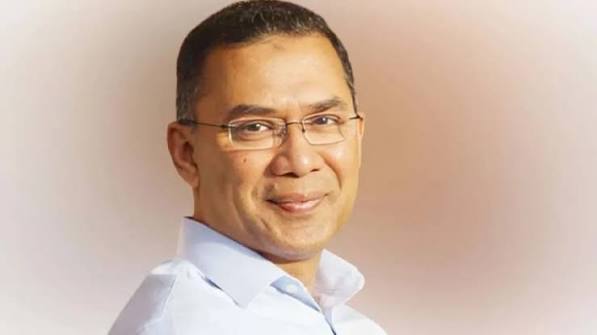
New York — Prime Minister Tarique Rahman’s visit to New York for the 81st session of the United Nations General Assembly had generated considerable enthusiasm and high expectations among Bangladesh Nationalist Party (BNP) leaders and activists living in the United States. Many had hoped to meet their party leader in person after a prolonged period, organize a grand reception in his honor, and finally receive an announcement on the long-awaited formation of a new BNP committee in the United States. However, after the prime minister concluded his visit and returned to Bangladesh, those expectations gave way to disappointment and frustration. With no anticipated reception, direct meeting, or announcement regarding the party’s organizational future, some expatriate BNP activists say they feel overlooked.
For BNP leaders and activists involved in the party’s politics in the United States, the visit carried particular significance. Amid prolonged uncertainty over organizational leadership, ongoing discussions about forming a new committee, and expectations of revitalizing the party’s activities abroad, the prime minister’s arrival had raised fresh hopes. Many believed Tarique Rahman would use his time in New York to assess the organizational situation of the US chapter directly and provide effective guidance to resolve the long-standing leadership impasse. However, no public announcement on the matter was made during the visit, reportedly deepening frustration among party activists.
Expatriate BNP activists claim they have played an active role in organizing political demonstrations, protests, rallies, and other initiatives aimed at mobilizing international public opinion during difficult periods for the party. For years, many remained active on the streets to draw international attention to Bangladesh’s political situation. A significant number had hoped that Tarique Rahman, now serving as prime minister, would meet with them at least once during his New York visit. Such an interaction, they believed, could have helped bridge the long-standing organizational divide and provided fresh direction for the party’s future political activities in the United States.
The absence of a mass reception in the prime minister’s honor also became a major topic of discussion among party activists. In the past, expatriate Bangladeshis in New York have organized receptions for visiting heads of government from Bangladesh. These events have provided opportunities for expatriate political leaders, activists, and Bangladeshis from various professional backgrounds to meet their country’s leaders. Many had expected a similar event during Tarique Rahman’s visit, but it ultimately did not take place. As a result, many expatriates feel they were deprived of an opportunity to meet the prime minister in person.
The absence of a formal press conference with Bangladeshi journalists working in New York also sparked discussion within the expatriate community. In previous years, several Bangladeshi heads of government visiting New York to attend the UN General Assembly have held press briefings or exchanged views with journalists from local Bangla-language media outlets. Such engagements have allowed reporters to ask questions about Bangladesh’s political situation, the challenges facing expatriates, bilateral relations, and various government policies.
Drawing comparisons with the visit of Professor Muhammad Yunus, the former chief adviser of Bangladesh’s interim government, some expatriate journalists argue that the absence of direct engagement between a visiting head of government and local media leaves many important questions unanswered. They believe a press conference could have provided an opportunity to hear the prime minister’s views on issues such as expatriate rights, investment opportunities, the quality of consular services, voting rights for Bangladeshis living abroad, and ways to strengthen ties between Bangladesh and its diaspora.
Meanwhile, a different explanation has emerged regarding the failure of BNP leaders and activists to meet the prime minister directly. According to sources familiar with the matter, Tarique Rahman had been interested in meeting expatriate party leaders and activists while in New York. However, the reported rush to take photographs with him in the hotel lobby, along with disorderly movement and pushing among those gathered, allegedly prompted him to reconsider the plan.
No official statement has been issued by the prime minister’s office or members of his delegation confirming this account. Consequently, the precise reasons for the absence of a meeting remain unclear.
Some party activists believe that creating excessive crowds for photographs without considering the security requirements and scheduled engagements of a person in the prime minister’s position was inappropriate. They point out that such disorder at the hotel of a head of government attending an international conference could also create serious concerns for security personnel. According to them, expressions of affection and enthusiasm for a political leader must be accompanied by discipline and responsible behavior.
Others, however, consider it regrettable that the opportunity to meet a large number of party activists was lost because of the alleged misconduct of a few individuals. They argue that a limited meeting could have been arranged at a predetermined venue and time, with organizational representatives coordinating attendance. Such an arrangement, they believe, would have allowed the prime minister to interact with long-serving party activists while maintaining security and order.
Uncertainty over the formation of a new US BNP committee has also resurfaced following the visit. Leadership positions within the party’s US chapter have long been a source of anticipation and competition. Leaders at various levels have remained active in the hope of securing organizational responsibilities, but the absence of a clear decision on the new leadership has prolonged the wait.
Many had expected Tarique Rahman’s visit to bring an end to this uncertainty. However, with no visible progress on the committee issue following his departure, some activists believe the matter has once again been postponed indefinitely.
Nevertheless, not everyone believes the prime minister’s visit should be judged solely by whether it fulfilled the expectations of expatriate BNP activists. Some argue that his participation in the UN General Assembly was primarily a state visit, during which Bangladesh’s national interests, international relations, trade, investment, and diplomatic cooperation should have remained the principal priorities.
Prime Minister Tarique Rahman arrived in New York on September 21. On September 24, he addressed the United Nations General Assembly on behalf of Bangladesh. During the visit, he attended nearly 30 international engagements, including bilateral meetings with heads of government and representatives from various countries. He left New York on the night of September 25 and returned to Bangladesh on September 27.