

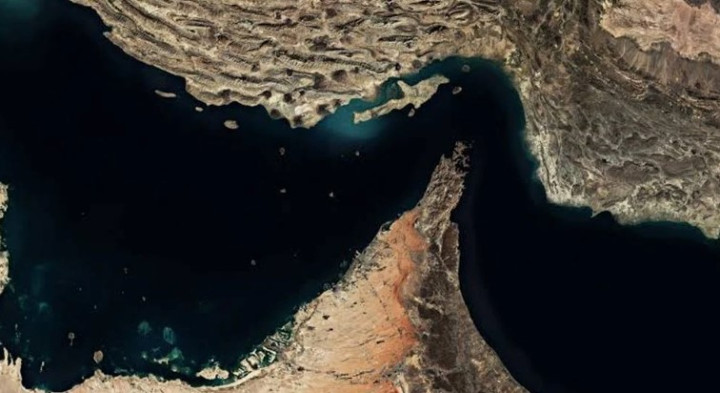
The flow of oil through the Strait of Hormuz has recovered significantly, reducing some of Iran’s leverage over the vital international waterway. However, Tehran has not lost all of the military and geographic advantages that make the strait an important bargaining tool in its dealings with the United States, political analyst Negar Mortazavi has said.
Mortazavi, host of The Iran Podcast and a senior analyst, told Al Jazeera that the increase in oil shipments through Hormuz indicates that Iran’s bargaining power may be weakening. But she cautioned that this does not mean Tehran has lost its ability to use the “Hormuz card.”
The increase in shipments has been made possible in part by a stronger U.S. military presence and other security measures aimed at keeping energy supplies moving through the waterway. But maintaining commercial traffic under military protection is different from a return to normal maritime operations.
Commercial vessels still face security risks, while insurance costs for tankers remain elevated because of the continuing geopolitical uncertainty. Al Jazeera reported that oil flows through Hormuz had recovered to nearly 80 percent of prewar levels in September, although the route remains far from fully secure.
Mortazavi argued that Iran still has the ability to impose additional economic costs on the United States, sustain uncertainty in global energy markets and disrupt maritime traffic if tensions escalate. In that sense, she said, Tehran’s strategic influence over the waterway has not disappeared but has changed in form.
Recent shipping data also illustrates the uneven recovery. Reuters reported that 33.7 million barrels of crude passed through the Strait of Hormuz during the week beginning September 20, while daily vessel traffic remained volatile. Before the conflict, roughly 125 large commercial vessels crossed the strait each day.
The improving flow of oil could allow U.S. President Donald Trump to argue that global energy supplies can be maintained without accepting Tehran’s conditions. But questions remain over how long the United States can guarantee the security of commercial shipping without maintaining a substantial and potentially long-term military presence in the region.
The risks were underscored again this week when three oil tankers were reportedly struck by unidentified projectiles while transiting the strait. The source of the projectiles and the circumstances surrounding the incidents remained unclear.
Iran has also continued to use the strait as a central element of its negotiating position. Tehran recently proposed reopening Hormuz and restoring normal maritime traffic as part of a broader seven-day roadmap that included demands for the lifting of the U.S. naval blockade, easing of oil sanctions and the release of frozen Iranian assets. Trump rejected the proposal, although indirect diplomatic contacts have continued through regional mediators.
The result is a more complicated balance of power: oil is moving again in substantial volumes, but the continued military presence, elevated insurance costs and risk of renewed disruption mean that the Strait of Hormuz has not returned to normal. Iran’s ability to affect shipping and energy markets therefore remains an important factor in the broader U.S.-Iran standoff.