
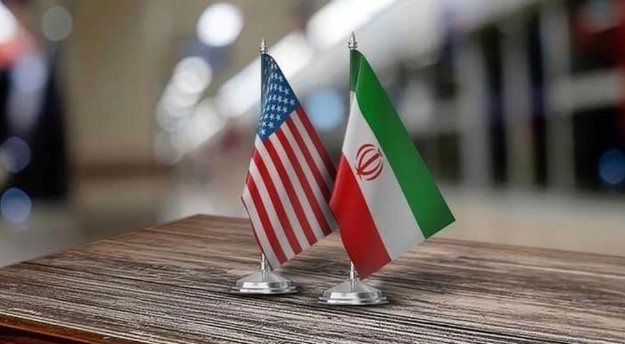
The United States and Iran have launched a renewed diplomatic effort to end their seven-month-long conflict, with officials from both sides holding separate discussions with mediators in an effort to find a way out of the crisis.
The latest talks could focus on a revised version of Iran’s seven-day ceasefire proposal, which Tehran presented on the sidelines of the United Nations General Assembly last week, according to officials familiar with the negotiations. Qatar has been playing a key role in mediating between the two sides.
Iranian Foreign Minister Abbas Araghchi has remained in New York following the UN General Assembly and has continued diplomatic contacts through mediators. He has said Tehran is waiting for a formal response from Washington regarding its proposal to end the fighting and reopen the Strait of Hormuz.
“If the Americans say they want a deal or a peaceful solution, we have presented that solution,” Araghchi said, according to reports.
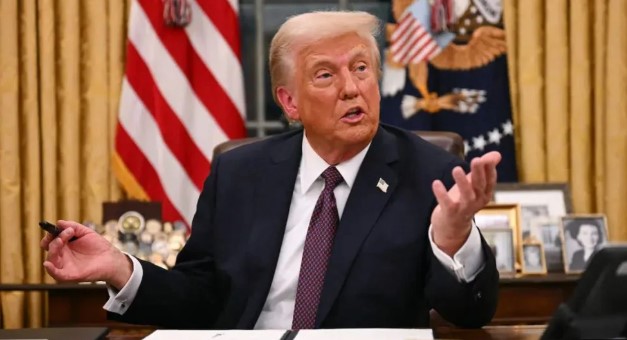
U.S. President Donald Trump also confirmed Monday that American officials had spoken with mediators, although he did not provide details. The latest contacts indicate that diplomatic channels remain open despite Trump’s public rejection of Iran’s original proposal.
What Is Iran Offering?
Iran’s proposal calls for an end to hostilities in Iran and Lebanon, the release of frozen Iranian assets, the lifting of sanctions on Iranian oil exports and an end to the U.S. naval blockade of Iranian ports.
In return, Tehran would reopen the strategically important Strait of Hormuz, a critical global energy route that has been severely disrupted by the conflict.
The proposal also envisages renewed negotiations over Iran’s nuclear program, including discussions about highly enriched uranium and Washington’s demands regarding Iran’s nuclear capabilities.
Iran has said the plan is closely linked to an earlier understanding reached in June. However, that agreement subsequently collapsed amid renewed fighting and disagreements between the two sides.
Trump Rejected the Initial Proposal
Trump said on Saturday, September 26, that he had rejected Iran’s proposal. He argued that Tehran was seeking an agreement because it was under severe economic and military pressure.
U.S. Ambassador to the United Nations Mike Waltz similarly criticized the Iranian offer, saying Tehran was demanding major concessions—including the lifting of the naval blockade, sanctions relief and access to frozen assets—before returning to substantive negotiations.
Iran has rejected that characterization. Araghchi has said Tehran remains committed to diplomacy but will not accept what it considers unacceptable conditions.
Despite Trump’s rejection, he subsequently told Axios that he expected additional talks with Iran during the week. Regional mediators have continued shuttle diplomacy between the two sides, with revised proposals reportedly being exchanged.
Hormuz at the Center of the Dispute
The Strait of Hormuz remains one of the central issues in the negotiations.
Iran has linked reopening the waterway to the lifting of the U.S. blockade and sanctions. Washington, meanwhile, has been pressing Tehran to make broader concessions, particularly on its nuclear program.
The strategic waterway is a major transit route for global energy supplies, meaning continued disruption has implications far beyond the two countries. The conflict has already affected shipping and contributed to volatility in global energy markets.
A New Diplomatic Opening
The renewed contacts do not yet indicate that the two sides have reached an agreement. Major differences remain over sanctions, the naval blockade, the Strait of Hormuz and Iran’s nuclear program.
However, the continuation of indirect negotiations suggests that neither Washington nor Tehran has completely closed the door to diplomacy.
Iran says it is prepared to negotiate, while Trump has said he expects further talks even after rejecting Tehran’s initial proposal. Regional mediators are now working to bridge the differences between the two sides and determine whether a revised framework can lead to a ceasefire and a broader agreement.
For countries such as Bangladesh, which are exposed to fluctuations in global energy and shipping markets, any reduction in the conflict could have economic implications. But whether the latest diplomatic effort can produce a durable ceasefire remains uncertain.