
A sweeping expansion of the US “public charge” policy could make it harder for some immigrants receiving government assistance to obtain green cards, visas or entry into the country.
President Donald Trump’s administration is taking a tougher approach to US immigration policy, with a new “public charge” rule set to give immigration officials broader authority to consider an applicant’s use of government benefits.
The rule is scheduled to take effect on September 18. But before its implementation, 22 states, Washington, DC, and several major cities and local governments have gone to court to challenge the policy.
The legal battle has left hundreds of thousands of immigrants watching closely to see whether federal courts will block or delay the new rules.
Broader Scrutiny of Government Benefits
The new policy replaces the more limited “public charge” framework introduced by the Biden administration in 2022 and expands the factors immigration officials can consider when evaluating certain applications.
Under the new rules, the use of means-tested public benefits—including food assistance, Medicaid and housing subsidies—could be taken into account when assessing an applicant’s immigration case.
Previously, officials generally focused on a narrower set of factors, including certain forms of cash assistance and government-funded long-term institutional care.
The expanded approach has raised concerns among immigrant families who fear that receiving assistance they are legally entitled to could hurt their immigration prospects.
Green Card Applicants Face Greater Uncertainty
Green card applicants could be among those most affected by the new policy.
Immigration officials would have greater discretion to consider whether an applicant has received certain government benefits, whether they may need such assistance in the future and their overall financial circumstances.
However, receiving government benefits would not automatically result in a green card application being denied. Instead, officials are expected to consider an applicant’s circumstances as a whole.
Still, immigrant advocates say the broader discretion could create significant uncertainty and discourage eligible families from seeking essential assistance.
22 States Challenge the Rule
New York is leading a lawsuit joined by 21 other states and Washington, DC, challenging the new policy in federal court.
The states argue that the Trump administration has exceeded its legal authority and that the rule could discourage immigrants from accessing government programs they are legally eligible to receive.
New York City, Chicago, San Francisco, Seattle and several other local governments have also filed separate legal challenges.
Local officials warn that the policy could cause immigrant families to avoid healthcare, food assistance and housing programs out of fear that using those services could later affect their immigration status.
They also argue that the consequences could extend to US-citizen children living in immigrant households.
Letitia James Warns of a ‘Climate of Fear’
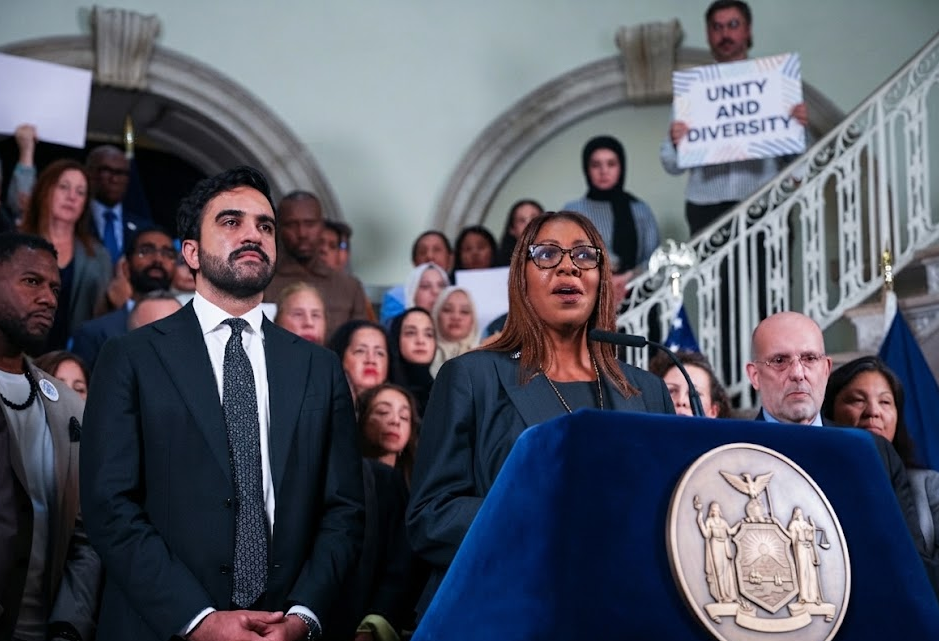
New York Attorney General Letitia James has emerged as one of the strongest critics of the policy.
In a lawsuit filed on September 14, James and other state officials argued that the rule could discourage immigrants from using food assistance, healthcare and other benefits they are legally entitled to receive.
James said the policy could create a climate of fear in immigrant communities, with families worrying that seeking necessary assistance today could jeopardize their immigration applications in the future.
New York City Corporation Counsel Muriel Goode-Trufant also argued that immigrants should not be forced to choose between receiving benefits they are legally entitled to and protecting their immigration prospects.
The local governments involved in the lawsuits contend that the Department of Homeland Security has exceeded its statutory authority.
Fear of a ‘Chilling Effect’
One of the biggest concerns surrounding the new policy is its potential to create a “chilling effect.”
Immigrants who qualify for government assistance may nevertheless decide not to use it because they are unsure whether doing so could negatively affect a future green card or visa application.
New York officials say some families are already considering whether to give up health coverage, food assistance and housing support because of the uncertainty.
Low-income immigrant households could face the greatest pressure.
Trump Administration Defends the Policy
The Trump administration argues that the policy is not intended to harass immigrants but to ensure that people seeking permanent residence are capable of supporting themselves financially.
The administration says reducing immigrants’ reliance on public benefit programs could also help protect US taxpayers from potential financial burdens.
According to Reuters, the administration views the policy as a way to discourage noncitizens from becoming dependent on government welfare programs.
Why September 18 Matters
The final rule published in the US Federal Register is scheduled to take effect on September 18, 2026.
Applications subject to the new framework could face broader scrutiny once the rule takes effect. However, the implementation could be delayed or blocked if a federal court issues an injunction before the deadline.
That makes the coming days particularly important for immigrant families, attorneys and advocacy groups monitoring the court proceedings.
What It Could Mean for Bangladeshi Immigrants
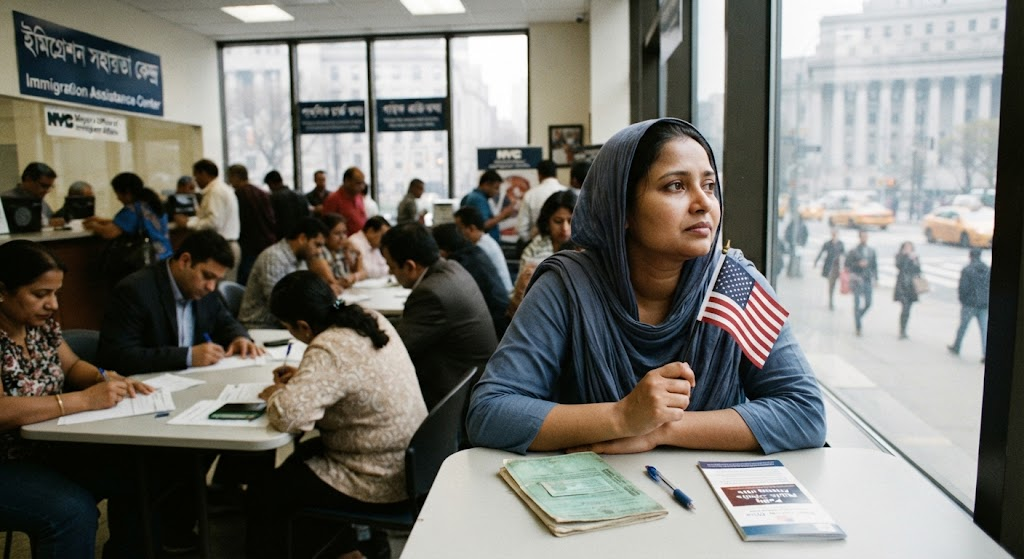
The policy could also be significant for Bangladeshi immigrants living in the United States, particularly those seeking permanent residency or planning to apply for a green card.
However, the rule does not mean that receiving any government benefit will automatically prevent a Bangladeshi immigrant from obtaining a green card.
The type of benefit received, who received it, the applicant’s financial circumstances and the relevant immigration category could all be important factors.
US Citizenship and Immigration Services has also issued guidance on the new policy, outlining changes to the way officers will assess public-charge determinations once the rule takes effect.
All Eyes on the Courts
The immediate question is whether federal courts will intervene before September 18.
If a court issues an injunction, the Trump administration could face a major obstacle in implementing the expanded public-charge policy. If the courts allow the rule to proceed, immigration officials could begin applying the broader framework as scheduled.
The policy’s ultimate impact, therefore, may depend as much on the courts as on the administration.
For now, the two sides remain sharply divided: the Trump administration says the rule is designed to protect taxpayers and promote financial self-sufficiency, while states and immigrant-rights groups argue that it could discourage families from accessing essential benefits and create greater uncertainty throughout the immigration system.