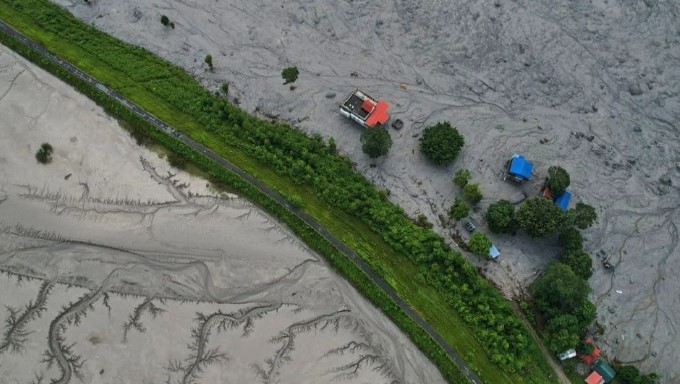

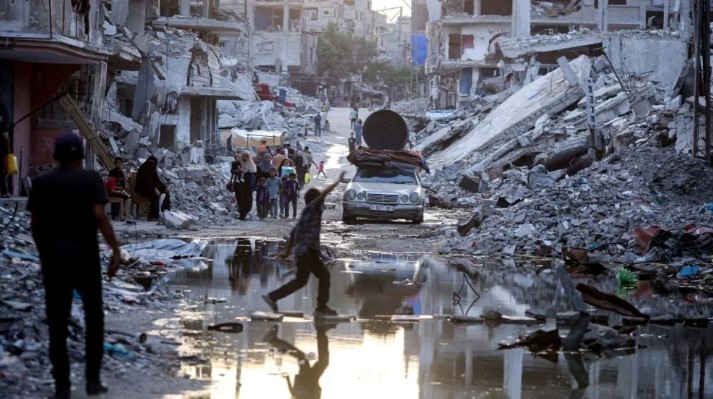
The environmental consequences of the prolonged war in Gaza are increasingly extending beyond the territory itself, creating potential risks for public health and ecosystems in Israel.
The destruction of Gaza’s sewage and electricity infrastructure has left large quantities of untreated wastewater, contaminated debris and hazardous materials in the environment. Experts warn that pollution entering the Mediterranean Sea and groundwater systems could eventually affect coastal areas on the Israeli side as well.
Earlier this month, Israeli Prime Minister Benjamin Netanyahu and representatives of the Board of Peace reportedly agreed to establish a working group focused on sewage management and public health issues affecting Gaza and Israel. Details about the group’s membership and operating structure have yet to be made public.
Untreated Sewage Reaching Israeli Waters
More than 100,000 cubic meters of untreated wastewater is reportedly being released into the Mediterranean or onto land each day because much of Gaza’s sewage infrastructure has been destroyed.
Ocean currents in the area generally move from south to north, creating a pathway through which contaminated water can travel toward Israel’s coastline.
Israel’s Ashkelon desalination plant has reportedly been forced to suspend operations several times because of high levels of fecal bacteria detected in seawater linked to wastewater pollution from Gaza.
Untreated sewage can also contribute to the growth of harmful algal blooms. Such outbreaks may interfere with water-treatment systems, damage filtration equipment and create low-oxygen “dead zones” that threaten marine life and fishing grounds.
Risks to Seafood and Marine Ecosystems
Hazardous chemicals, heavy metals and pathogens contained in untreated wastewater can accumulate in marine organisms.
Because fish move across maritime boundaries, contamination of seafood could potentially become a health concern for both Palestinians and Israelis.
Pathogens released into coastal waters may also spread along the shoreline, with prevailing currents potentially carrying pollution toward Israeli coastal communities.
Groundwater Pollution Could Last for Years
Groundwater contamination presents another long-term concern.
While the direct movement of polluted groundwater into Israel’s municipal water system is considered relatively unlikely, salts and chemical contaminants can travel considerable distances underground.
The shared aquifer system used by communities on both sides could therefore face long-term deterioration. Such contamination could affect the availability and quality of groundwater for drinking water, agriculture and irrigation.
Gaza Debris Raises Additional Concerns
The war has left an estimated 60 million tonnes of rubble across Gaza. Some of the debris is reportedly being transported out of the territory to locations in Israel and the occupied West Bank.
Euro-Med Human Rights Monitor has estimated that around 100 Israeli trucks a day have recently been leaving Gaza carrying debris.
The material could contain hazardous substances including lead, mercury and cadmium. It may also include remnants of weapons, white phosphorus particles, unexploded ordnance, industrial chemicals and asbestos released from destroyed buildings.
Long-term exposure to heavy metals and other toxic substances can pose serious health risks, including neurological and kidney damage and increased cancer risks.
The rubble may also contain biological waste, human remains, pathogens and decomposing organic material. Fine particles released during demolition and transportation could worsen air quality, while unexploded weapons hidden within debris could pose an additional danger to workers and nearby communities.
Calls for Stricter Waste Management
International organizations, including the United Nations Environment Programme (UNEP), recommend strict safety procedures when dealing with contaminated disaster debris.
Environmental safeguards become particularly important when rubble is transported across borders or administrative boundaries. Authorities must also take measures to prevent hazardous materials from contaminating soil and groundwater.
Critics have raised another concern: clearing rubble with heavy machinery in areas where mass graves may exist could potentially destroy evidence relevant to investigations of alleged war crimes.
Environmental groups have long argued that the ecological conditions in Gaza and Israel are closely interconnected. Pollution and public health problems originating in Gaza can therefore eventually create consequences for Israeli communities as well.
The broader lesson is that Gaza’s environmental crisis cannot be treated solely as a local humanitarian issue. Without carefully regulated sewage treatment, debris removal and hazardous-waste management, the consequences of the conflict could continue affecting public health and the environment across borders for years to come.