

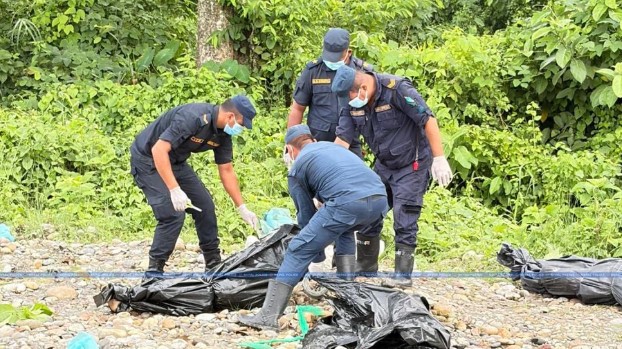
Nepalese authorities have begun making arrangements to bury unidentified and unclaimed bodies recovered from the country’s devastating floods, citing concerns over decomposition, foul odors and potential health risks.
The disaster struck on Wednesday, August 26, after a massive glacial collapse near the Nepal-China border triggered torrents of water, mud and debris. The powerful flow swept through villages and urban areas, leaving widespread destruction.
By the fifth day of the disaster, rescuers had recovered at least 675 bodies. The southern district of Chitwan, near the Indian border, recorded the highest number, with 233 bodies recovered.
Morgues running out of space
The situation has become particularly difficult in Chitwan because local hospitals lack sufficient facilities to preserve such a large number of bodies.
One official said authorities had even been using a private house as a temporary morgue. But as the number of recovered bodies continued to rise and available space ran out, burial became the only practical option.
Health experts have warned that keeping bodies in temporary facilities for extended periods could increase decomposition, create severe odors and raise public-health concerns.
DNA samples collected before burial
Authorities, however, are taking extensive measures to ensure that families can identify and recover their missing relatives in the future.
Before burial, officials are collecting DNA samples from every unidentified body. Each body is also being assigned a unique identification number, while detailed records of its burial location are being maintained.
More than 100 bodies had undergone DNA testing by Saturday afternoon and were ready for burial.
The bodies are being placed in graves approximately 1.5 meters deep. Officials are leaving around 40 centimeters between graves to make it easier to locate and recover a particular body if a DNA match is established later.
Each body is being placed inside a numbered bag. A concrete marker and identification plaque are also being installed beside each grave, carrying the corresponding identification number.
Authorities plan to document the burial process through photographs and video and record the precise locations of the graves using geotagging.
Bodies to be returned after DNA confirmation
People searching for missing relatives will be able to provide their own DNA samples at designated hospitals and collection centers across Nepal.
Health authorities will then compare relatives’ DNA with samples taken from unidentified bodies. Once a match is confirmed, police will use the identification number to locate the relevant grave.
The body can then be exhumed and handed over to the family for final funeral rites.
Police have also published information about unidentified and unclaimed bodies on a dedicated website to assist families searching for missing relatives.
Meanwhile, 2,426 people are still reported missing in Nepal, including several hundred foreign nationals.