
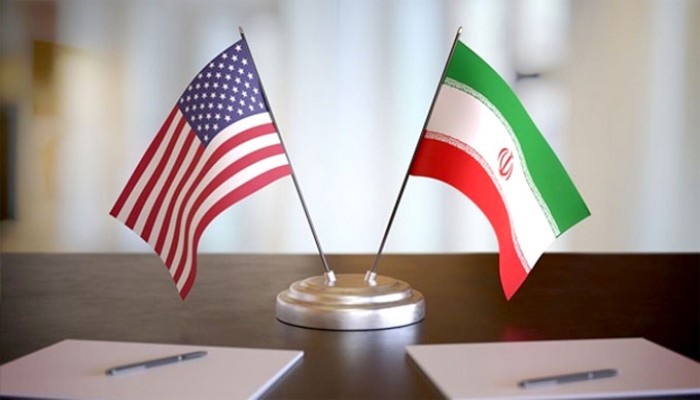
Negotiators from the United States and Iran have finalized a 60-day memorandum of understanding (MoU) aimed at extending the current ceasefire and launching formal talks over Iran’s nuclear program.
However, according to two U.S. officials and a regional source involved in the mediation process who spoke to Axios, President Donald Trump has not yet given his final approval to the agreement. Iran has also not officially confirmed its acceptance of the deal.
If signed, the memorandum would mark the most significant diplomatic breakthrough since the beginning of the Middle East conflict. Still, officials say that reaching a permanent agreement addressing Trump administration concerns over Iran’s nuclear ambitions will require lengthy future negotiations.
A U.S. official involved in the talks told Axios, “This is essentially an agreement to bring everyone to the negotiating table. The remaining details will be resolved during the main discussions.”
According to U.S. officials, the terms of the deal were nearly finalized by Tuesday, pending approval from top leaders on both sides. American officials claim Iranian representatives later returned with approval and readiness to sign, although Tehran has not publicly confirmed the claim.
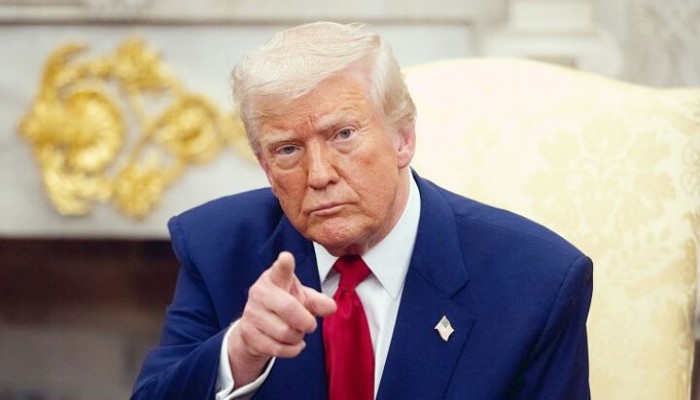
Meanwhile, U.S. negotiators briefed President Trump on the details of the proposed agreement, but he reportedly declined to sign immediately. One official said Trump informed mediators that he needed a few more days to consider the matter. In previous stages of the conflict, negotiations had similarly appeared close to success before eventually stalling.
According to U.S. officials, the proposed 60-day memorandum includes the following key points:
Free Navigation Through the Strait of Hormuz
Commercial shipping through the Strait of Hormuz would remain “free and open.” This means no tolls could be imposed and vessels would not face harassment. Iran would also be required to remove all naval mines from the strait within 30 days.
Easing of Blockades and Sanctions
The United States would lift its naval blockade in parallel with the restoration of normal commercial shipping. Washington would also ease certain economic sanctions to allow Iran to sell oil more freely.
Iran’s Nuclear Program
The memorandum would include Iran’s commitment not to develop nuclear weapons. During the 60-day negotiation period, initial discussions would focus on transferring or destroying Iran’s enriched uranium stockpile and placing limits on uranium enrichment activities. In return, the United States would discuss sanctions relief and the release of frozen Iranian assets.
Humanitarian Aid and Regional Peace
The agreement would also include discussions on establishing a special mechanism to ensure Iran can receive international goods and humanitarian assistance. Additionally, the memorandum would address efforts to end the conflict between Israel and Hezbollah in Lebanon.
Despite progress toward the deal, two minor confrontations between U.S. and Iranian forces reportedly occurred in the Strait of Hormuz over the past 48 hours.
A U.S. official said Iran now has a major opportunity to revive its economy. “There are people within Iran’s leadership who understand this is a chance to move in a different direction,” the official said. “The next 60 days will show what really happens. The more flexibility Iran shows in negotiations, the more benefits it can receive.”
At the same time, the U.S. administration warned that if Iran fails to honor its commitments on the nuclear issue during the talks, President Trump would still have all options available — including economic and military measures.
Officials added that any withdrawal of U.S. troops from the region would depend entirely on reaching a final and lasting agreement.