

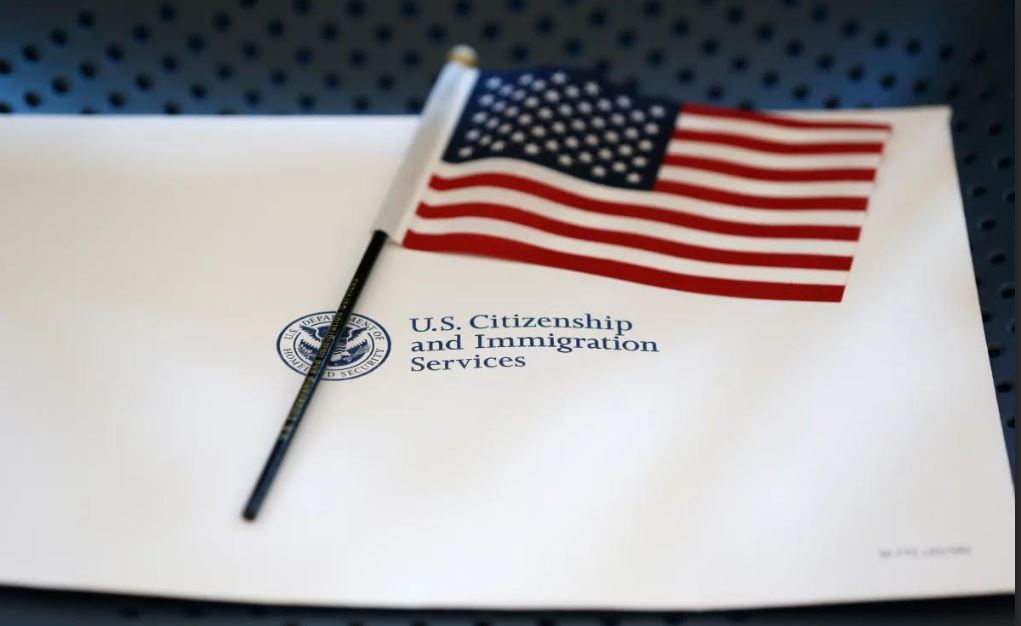
In a dramatic shift from a long-standing immigration practice that has existed for more than fifty years, the Trump administration has announced a major change that could affect millions of immigrants across the United States. On Friday, U.S. Citizenship and Immigration Services (USCIS) said that foreign nationals temporarily residing in the United
States will no longer be allowed to complete their green card applications from within the country. Instead, they will be required to return to their home countries and apply through U.S. consulates abroad.
The surprise announcement has triggered widespread confusion and concern among immigration attorneys, advocacy groups, and immigrant communities nationwide.
Those most directly affected include foreign spouses of U.S. citizens, employment-based visa holders, international students, and religious workers. Even refugees and asylum seekers who currently havehumanitarian protection may fall under the scope of the new rule.Immigration experts estimate that nearly 600,000 people each year apply for permanent residency through adjustment of status while living in the United States—many of whom could now be impacted.
In its official statement, USCIS said, “Individuals who come to the United States on student, temporary work, or tourist visas do so for a specific and limited purpose. Our immigration system was designed with the expectation that they would return home after their authorized stay. Their temporary visit should not serve as the first step toward obtaining permanent residency.”
The administration has described the move as a return to the “original intent of immigration law” and a step toward closing what it calls a “loophole.” Officials added that exceptions would be made only in “extraordinary circumstances,” determined solely at the discretion of USCIS officers.
Doug Rand, a former senior adviser to USCIS during the Biden administration, criticized the policy, saying its purpose is clear. “This administration has repeatedly stated that it wants fewer people to obtain lawful permanent residency because permanent residency is the
pathway to citizenship—and they want to make that path much harder to access.”
American Immigration Lawyers Association Senior Director of Government Relations Sharvari Dalal-Dheini warned that the move would effectively dismantle a decades-old adjustment-of-status system. “USCIS is trying to reverse a process that has been in place for generations. This affects virtually anyone seeking a green card,” she said, noting that many U.S. consulates abroad already have visa appointment backlogs exceeding one
year.
Advocates say the most severe humanitarian consequences may fall on individuals who cannot safely return to their home countries.
World Relief, a global humanitarian organization, issued a statement warning, “If a family is told that a non-citizen spouse or parent must leave the U.S. and apply abroad, but there is no functioning visa process in that country, it becomes a trap. These policies could separate families indefinitely.”
Afghanistan is one example. Since the U.S. military withdrawal in 2021, the American embassy there has remained closed, raising serious questions about where Afghan nationals would even apply.
Jesse De Haven, senior staff attorney at the California Immigration Project, said the policy’s ambiguity may itself become a weapon. “It is genuinely difficult to know who this will apply to. I think it will create a climate of fear that discourages people from applying at all.”
USCIS has not yet clarified when the policy will officially take effect, whether applicants must remain abroad for the entire duration of the rocess, or what will happen to individuals already in the middle of adjustment-of-status applications.
The announcement comes at a time when the Trump administration has already imposed visa restrictions and travel bans on citizens from several countries. Immigration experts warn that for people from nations already facing visa processing obstacles, being forced to leave the United States to apply for permanent residency could mean they may never
be allowed back.
An American citizen’s foreign spouse. A foreign doctor working at a U.S. hospital. An international student studying at an American university.
For many, this policy could suddenly turn stable lives into futures defined by uncertainty.