

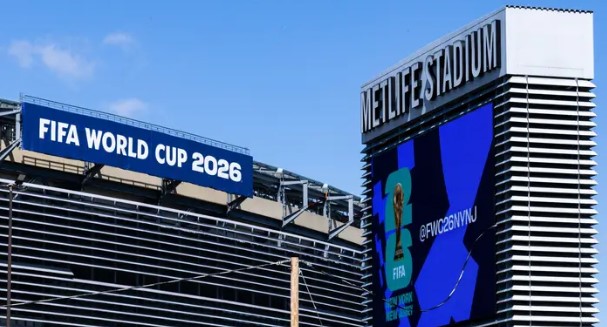
John Fitzpatrick, a Manhattan hotel owner, initially anticipated a massive tourism surge when FIFA awarded the 2026 World Cup to the United States. However, with the tournament just weeks away, the expected influx of international visitors has failed to materialize, leaving many in New York City’s hospitality sector deeply concerned about the final economic outcome. This sentiment is widespread across the city, as a recent survey by the American Hotel & Lodging Association revealed that two-thirds of New York hotel owners are experiencing weaker-than-anticipated reservations for the mega-event. Furthermore, Lighthouse Intelligence data indicates that average game-day room rates in the city plummeted by 24% between late December and mid-April, marking the steepest decline among all host cities.
The New York-New Jersey region is slated to host eight matches, culminating in the highly anticipated July 19 final at MetLife Stadium. Last summer, local organizers projected the games would attract 1.2 million visitors and generate a staggering $3.3 billion economic impact. In an effort to boost enthusiasm and salvage the momentum, Mayor Zohran Mamdani’s administration has planned free watch parties across all boroughs, while NYC Tourism and Conventions continues its international promotional campaigns. Despite these efforts, several macro-economic and geopolitical factors have severely deterred international tourists. Travel industry experts point to stringent immigration enforcement, economic tariffs, and the recent conflict involving the US, Israel, and Iran, which has drastically inflated oil prices and international airfares.
Consequently, CoStar Group reports that city hotels are currently only 18% booked for the critical June and July period, a significant drop from the 26% booking rate recorded at the same time last year. Jan Freitag, a hospitality analytics director at CoStar, noted that while luxury accommodations might still perform well, the anticipated wave of middle-income fans from Europe and South America simply has not arrived. The situation is further complicated by the fact that many major convention organizers deliberately bypassed New York this summer, operating under the assumption that the city would be overcrowded and overpriced. Furthermore, hoteliers report that exorbitant match ticket prices—reaching up to $1,500 even for less desirable seats—have fundamentally discouraged potential visitors from overseas from making the trip.
In response to these sluggish figures and a broader decline in post-pandemic international tourism, the Hotel Association of New York City is actively advocating for property tax relief and reduced room taxes to help businesses stay afloat. While some local hospitality alliances and tourism spokespersons remain cautiously optimistic that short-window, last-minute bookings and local restaurant activity will eventually salvage the summer, many property owners are tempering their expectations. Anticipating reduced global flight schedules due to fuel costs, hoteliers like Fitzpatrick now expect a standard, unremarkable summer for the city’s tourism industry, characterizing the complete absence of a World Cup boom as a major disappointment.